
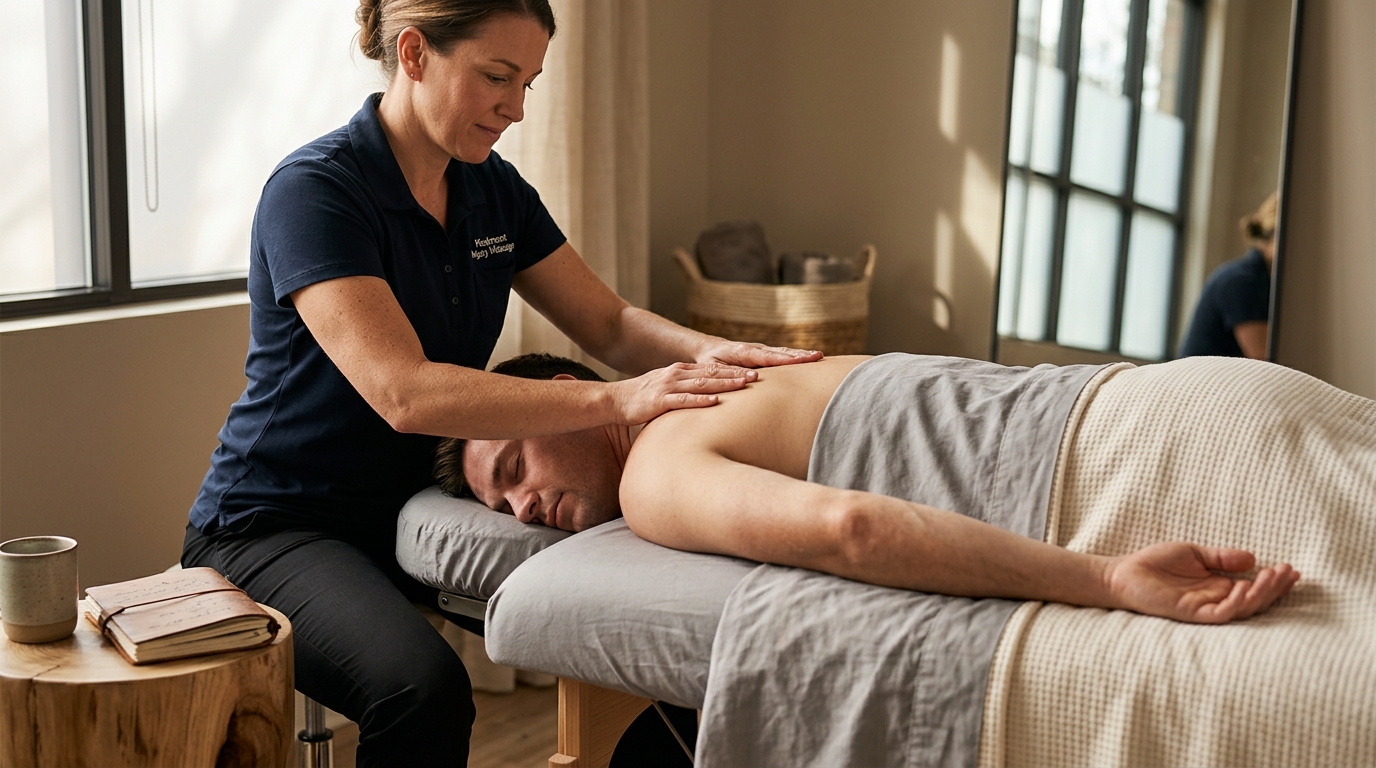
What Does a Typical Chronic Pain Massage Treatment Actually Look Like?
A typical chronic pain massage treatment is a structured, hands-on session focused on reducing muscle tension and improving circulation. It begins with a detailed intake assessment to map pain areas, followed by targeted manual therapy techniques. The goal is not just relaxation, but measurable relief and functional recovery for long-term pain conditions.
The Intake Assessment: Mapping Your Pain
Before any hands-on work begins, a thorough intake process is essential. At Piedmont Injury Massage, this involves a detailed form that captures your specific areas of discomfort, the onset of pain, and how different movements affect your symptoms. This step is critical because chronic pain is rarely uniform; it often involves complex interactions between muscles, nerves, and joints.
The therapist uses this data to create a personalized treatment plan. For example, if a client reports low back pain that worsens when sitting, the therapist will prioritize techniques that address postural strain and hip flexor tightness. This diagnostic approach ensures that the session targets the root causes of discomfort rather than just the surface symptoms.
Manual Techniques: From Deep Tissue to Myofascial Release
Once the assessment is complete, the therapist begins the hands-on portion of the treatment. Chronic pain often involves deep-seated muscle tension and restricted fascia, the connective tissue that surrounds muscles. Techniques such as deep tissue massage and myofascial release are used to break up adhesions and restore mobility.
These methods apply sustained pressure to specific trigger points. According to research published in PMC, massage therapy can be effective for chronic, non-malignant pain by reducing muscle stiffness and improving local blood flow. The therapist adjusts the pressure based on your feedback, ensuring the treatment remains within a tolerable range while still being effective.
Physiological Effects: How Massage Reduces Pain Signals
Massage therapy works on the nervous system to modulate pain perception. By stimulating mechanoreceptors in the skin and muscles, the treatment can inhibit the transmission of pain signals to the brain. This is known as the gate control theory of pain. Additionally, massage promotes the release of endorphins and serotonin, natural chemicals that improve mood and reduce the perception of pain.
Studies have shown that regular massage can lower cortisol levels, the primary stress hormone, which often exacerbates chronic pain conditions. For instance, a randomized trial found that therapeutic massage was beneficial for chronic neck pain, a common manifestation of long-term muscle tension. This physiological shift helps break the cycle of pain and stress that often keeps chronic pain conditions active.
Post-Session Care: Extending the Benefits
The treatment does not end when the therapist stops working. Post-session care is a crucial component of managing chronic pain. Therapists often recommend gentle stretching, hydration, and heat application to maintain the benefits of the session. At Piedmont Injury Massage, clients are encouraged to view massage as part of a holistic care plan, not a one-time fix.
Consistency is key. For chronic conditions, a series of sessions is often more effective than a single treatment. The therapist may suggest a schedule that balances frequent initial visits with longer intervals as pain improves. This approach helps the body adapt and maintain the gains made during each session.
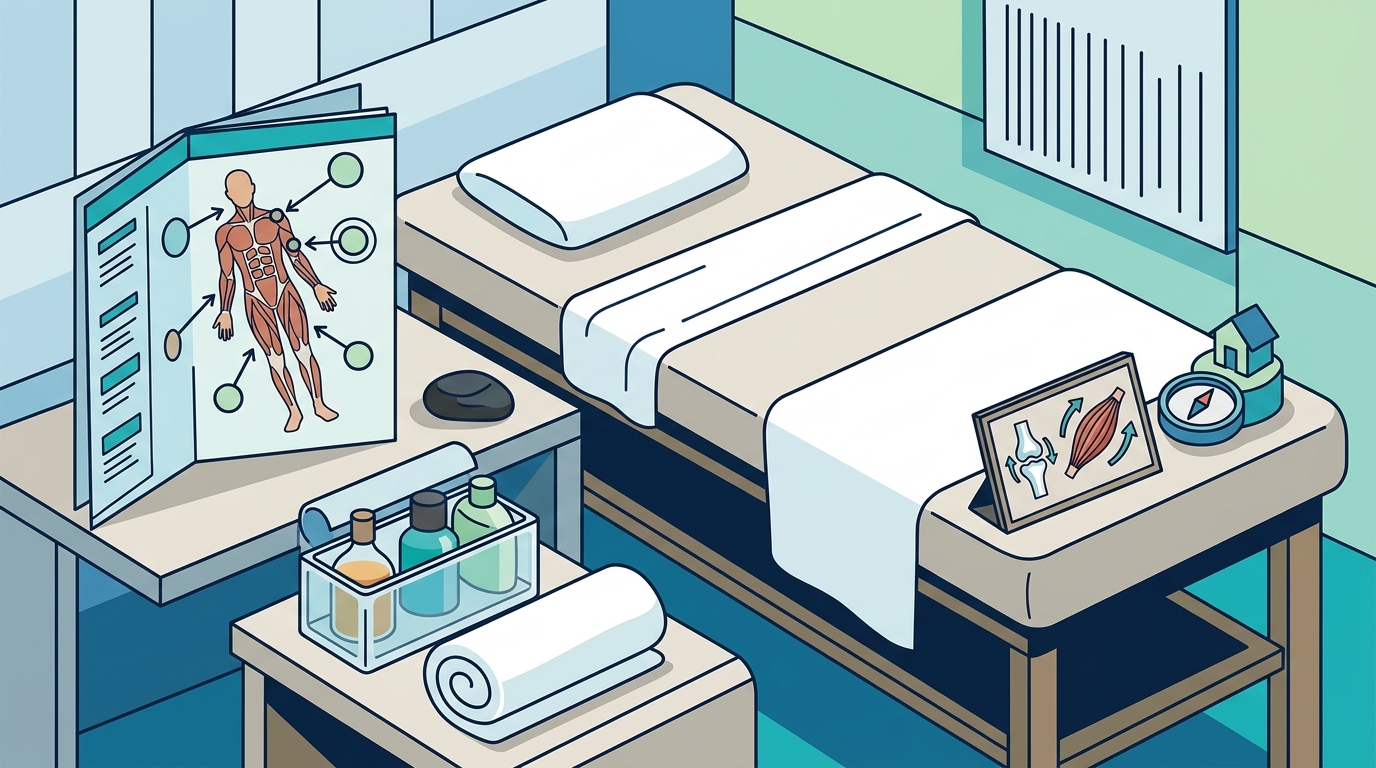
Specialized Approaches: Lymphatic Drainage and FSM
For some chronic pain conditions, standard massage may not be sufficient. Specialized techniques like lymphatic drainage massage can help reduce swelling and inflammation, which are common contributors to pain. This gentle technique uses specific movements to encourage the flow of lymph fluid, supporting the immune system and reducing tissue congestion.
Another advanced option is Frequency-Specific Microcurrent (FSM), which uses low-level electrical current to stimulate cellular healing. FSM can increase ATP production in damaged cells by up to 500%, accelerating recovery and reducing pain. These specialized services are available at Piedmont Injury Massage for clients who need a more targeted approach to their chronic pain management.
Key Takeaways
- A typical chronic pain massage starts with a detailed intake assessment to map pain areas and triggers.
- Manual techniques like deep tissue and myofascial release target deep muscle tension and adhesions.
- Massage modulates pain signals through the nervous system and reduces stress hormones like cortisol.
- Post-session care, including stretching and hydration, is essential for extending the benefits of the treatment.
- Consistency is more important than intensity; a series of sessions yields better long-term results for chronic pain.
- Specialized techniques like lymphatic drainage and FSM can address specific pain mechanisms like swelling and cellular damage.
Frequently Asked Questions
How long does a typical chronic pain massage session last?
A standard session usually lasts between 60 and 90 minutes. The exact duration depends on the complexity of your pain and the specific techniques used. At Piedmont Injury Massage, you pay for the time, not the type of massage, allowing for a flexible and personalized experience.
Will the massage be painful?
While deep tissue work can feel intense, it should not be painful. The therapist will constantly check in with you to adjust the pressure. The goal is to work within your tolerance to achieve relief without causing additional injury.
How many sessions do I need for chronic pain?
There is no one-size-fits-all answer. Most clients with chronic pain benefit from a series of sessions, starting with weekly visits and tapering off as pain improves. Your therapist will help you develop a schedule that fits your specific needs and goals.
Can massage help with nerve pain?
Yes, massage can help with nerve pain by reducing pressure on nerves and improving circulation. Techniques like myofascial release can relieve tension in the tissues surrounding nerves, which often alleviates symptoms like tingling and numbness.
Is massage a replacement for medication?
Massage is a complementary therapy, not a replacement for prescribed medication. It can reduce the need for pain relievers over time, but you should always consult with your healthcare provider before making any changes to your medication regimen.
Start Your Path to Relief
Chronic pain does not have to be your normal. A well-structured massage treatment can provide significant relief and improve your quality of life. At Piedmont Injury Massage, our certified therapists are dedicated to helping you manage your pain and recover your mobility. Contact us today to schedule a consultation and begin your personalized path to wellness.