Effective relaxation massage techniques for everyday stress relief include Swedish massage, aromatherapy, and gentle myofascial release. These methods lower cortisol levels and activate the parasympathetic nervous system. Piedmont Injury Massage in Hoschton and Braselton, GA, uses these evidence-based approaches to help clients manage daily tension and restore physical balance.
Swedish Massage: The Foundation of Relaxation
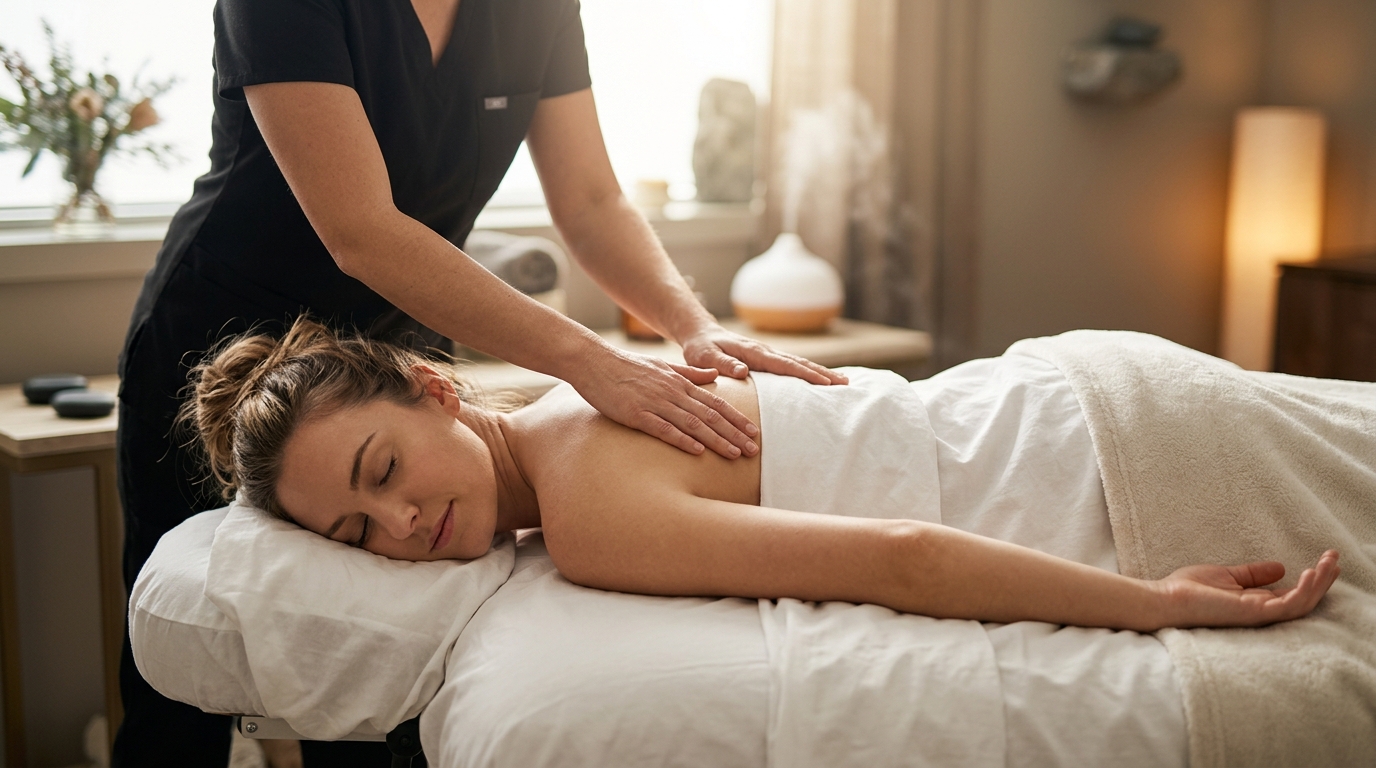
Swedish massage is a full-body technique that uses long, gliding strokes to promote deep relaxation. It is the most common form of relaxation massage because it directly targets the nervous system. The primary goal is to reduce muscle tension and improve blood circulation without causing discomfort.
Research indicates that Swedish massage significantly reduces cortisol, the primary stress hormone. By lowering cortisol and increasing serotonin and dopamine, the body shifts from a "fight or flight" state to a "rest and digest" state. This physiological shift is the core mechanism behind stress relief. according to New research indicates
For individuals dealing with everyday work stress, Swedish massage provides a predictable and consistent experience. The rhythmic nature of the strokes helps calm the mind and prepare the body for rest. It is an ideal starting point for those new to therapeutic massage.
Aromatherapy: Enhancing the Sensory Experience
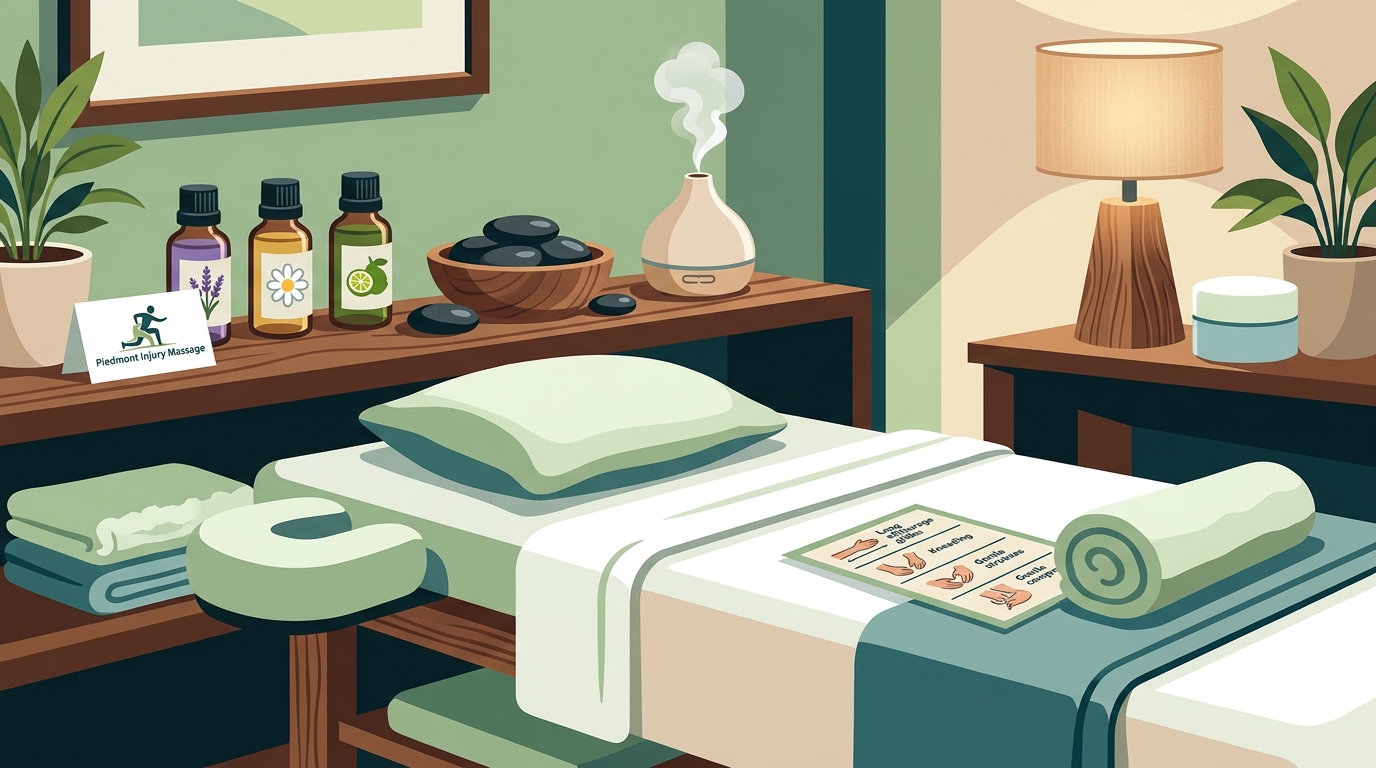
Aromatherapy is the use of essential oils to promote physical and emotional well-being. When combined with massage, it creates a multi-sensory experience that deepens the relaxation response. The scent of lavender, for example, has been shown to lower heart rate and blood pressure.
The olfactory system is directly connected to the limbic system, which controls emotions and memory. This direct neural pathway allows scents to influence mood more quickly than other sensory inputs. Aromatherapy turns a physical treatment into a holistic mental reset.
At Piedmont Injury Massage, therapists can incorporate calming scents to enhance the therapeutic effect. This approach is particularly effective for clients who find it difficult to "switch off" mentally after a long day. The combination of touch and scent creates a stronger barrier against stress.
Gentle Myofascial Release: Targeting Deep Tension
Myofascial release is a technique that applies sustained, gentle pressure to the fascia, the connective tissue surrounding muscles. Unlike deep tissue massage, which can be intense, gentle myofascial release focuses on releasing chronic tension without triggering a pain response. It is highly effective for stress-related stiffness in the neck and shoulders.
Stress causes muscles to contract and hold tension over time. This chronic contraction can lead to adhesions in the fascia, restricting movement and causing pain. Gentle release techniques help restore the tissue's elasticity and allow the muscles to return to their natural resting length.
This technique is a key component of the therapeutic massage services offered in Hoschton. It bridges the gap between pure relaxation and physical recovery. Clients often report that their bodies feel "lighter" and more mobile after a session, indicating a reduction in physical stress load.
Breathwork Integration: Activating the Parasympathetic System
Breathwork is the practice of controlling breathing patterns to influence the nervous system. During a relaxation massage, therapists often guide clients through slow, diaphragmatic breathing. This technique directly activates the parasympathetic nervous system, which is responsible for the body's rest and recovery functions.
Shallow, rapid breathing is a hallmark of the stress response. By slowing the breath, the body receives a signal that it is safe to relax. This physiological change lowers heart rate and reduces muscle tension. It is a powerful tool that clients can also use independently at home.
Integrating breathwork into a massage session amplifies the benefits of the physical touch. It teaches the body to associate the massage with a state of calm. This conditioning effect means that the relaxation response becomes easier to achieve over time, even outside of the treatment room.
Head and Neck Focus: Addressing the Stress Epicenter
The head and neck are the primary areas where stress manifests physically. Tension headaches, jaw clenching, and neck stiffness are common symptoms of chronic stress. A targeted head and neck massage focuses on these specific areas to provide immediate relief.
The muscles in the neck and scalp are highly sensitive and often hold tension from poor posture and screen time. Gentle pressure and effleurage (gliding strokes) in these areas can significantly reduce headache frequency and intensity. This focus provides a quick and noticeable sense of relief.
For many clients, the head and neck portion of the massage is the most critical part of the session. It addresses the most immediate and uncomfortable symptoms of stress. This targeted approach ensures that the client leaves the session feeling physically lighter and mentally clearer.
Key Takeaways
- Swedish massage is the most effective technique for lowering cortisol and activating the parasympathetic nervous system.
- Aromatherapy enhances relaxation by engaging the limbic system, creating a deeper mental reset.
- Gentle myofascial release addresses chronic tension in connective tissue without causing pain.
- Breathwork integration teaches the body to associate massage with a state of calm.
- Targeted head and neck massage provides immediate relief from tension headaches and stiffness.
- Consistent sessions build a conditioned relaxation response that is easier to achieve over time.
Frequently Asked Questions
How often should I get a relaxation massage for stress relief?
For most individuals, a session every two to four weeks is sufficient to manage everyday stress. However, during periods of high stress, weekly sessions may be more beneficial. Consistency is key to building a conditioned relaxation response.
Is relaxation massage the same as deep tissue massage?
Can massage help with anxiety?
Yes, massage can help reduce symptoms of anxiety by lowering cortisol and increasing serotonin. It is not a replacement for medical treatment, but it is a valuable complementary therapy for managing stress and anxiety.
What should I expect during a relaxation massage?
You can expect a calm, quiet environment and gentle, rhythmic strokes. The therapist may use aromatherapy and guide you through breathing exercises. The goal is to help you let go of physical and mental tension.
Does Piedmont Injury Massage offer relaxation massage?
Yes, Piedmont Injury Massage offers therapeutic massage services that include relaxation techniques. Our therapists in Hoschton and Braselton tailor each session to your specific needs, whether you are seeking stress relief or injury recovery.
Start Your Path to Calm
Managing everyday stress is essential for long-term health and well-being. Relaxation massage techniques like Swedish massage, aromatherapy, and gentle myofascial release provide a proven path to physical and mental calm. By targeting the nervous system and chronic tension, these techniques help you reset and recover.
At Piedmont Injury Massage, we specialize in personalized care for pain management and muscle recovery. Our certified therapists in Hoschton and Braselton, GA, are dedicated to helping you find relief. Contact us today to book your appointment and begin your journey to a calmer, more balanced life.