
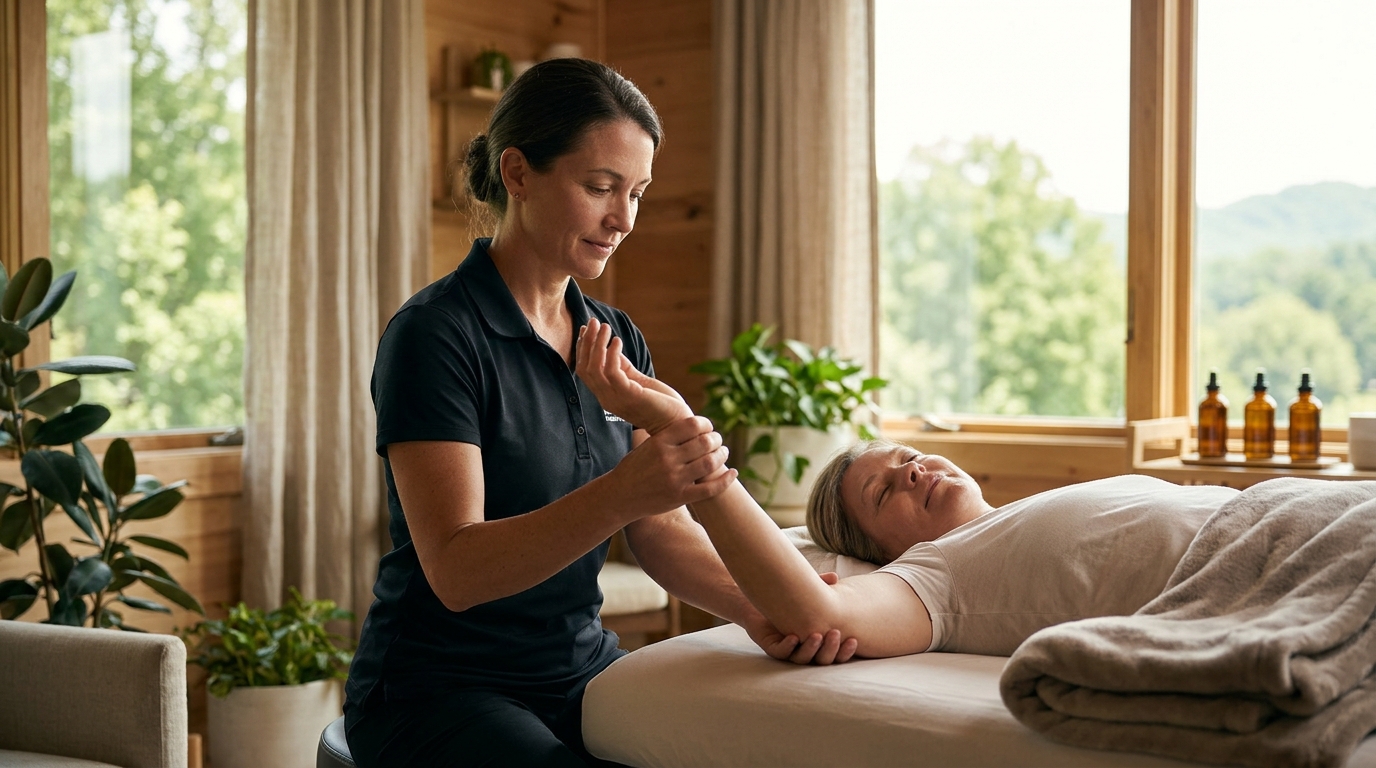
Effective recovery requires aligning manual therapy with the body's biological healing phases. In the acute stage, gentle lymphatic drainage reduces swelling, while the subacute phase benefits from soft tissue mobilization to prevent scar tissue. During the remodeling stage, deep tissue and sports massage restore strength and range of motion. Piedmont Injury Massage in Hoschton and Braselton, GA, tailors these interventions to your specific recovery timeline.
The Acute Phase: Managing Inflammation and Swelling
The acute phase begins immediately after an injury and lasts for the first 24 to 72 hours. During this window, the body initiates an inflammatory response to protect the damaged area. Aggressive manipulation is contraindicated because it can exacerbate bleeding and edema. Lymphatic drainage massage is the primary technique used here. This method is a gentle, rhythmic movement designed to stimulate the lymphatic system and move excess fluid away from the injury site.
By facilitating the removal of metabolic waste and inflammatory markers, this technique helps reduce pain and pressure. The therapist uses very light pressure, never enough to cause discomfort. This approach supports the body's natural defense mechanisms without interfering with the initial clotting and protection processes. For clients in the Hoschton area dealing with sudden sprains or strains, this gentle start is crucial for a smooth recovery trajectory.
The Subacute Phase: Preventing Adhesions and Stiffness
As inflammation subsides, the body enters the subacute phase, typically spanning from day three to day fourteen. This stage focuses on tissue repair and the formation of new collagen. A significant risk during this period is the development of adhesions, which are bands of scar tissue that can restrict movement and cause long-term stiffness. Soft tissue mobilization and gentle myofascial release are the most effective techniques for this stage.
These methods encourage the proper alignment of collagen fibers as they heal. By applying moderate pressure, the therapist helps prevent the formation of rigid scar tissue. This ensures that the repaired tissue remains pliable and functional. The goal is to maintain mobility without disrupting the fragile new tissue. Clients recovering from post-surgical procedures or moderate soft tissue tears often find that this phase is critical for regaining their baseline range of motion.
The Remodeling Phase: Restoring Strength and Function
The remodeling phase can last from several weeks to several months. During this time, the body strengthens the repaired tissue and integrates it back into the functional unit. The focus shifts from protection to performance. Deep tissue massage and sports massage are the ideal techniques for this stage. These methods use firmer pressure to break down any remaining adhesions and restore muscle elasticity.
Sports massage specifically targets the kinetic chain, ensuring that the injured area works in harmony with surrounding muscles. This reduces the risk of compensatory injuries, where other muscles take on extra load and become strained. For active individuals in Braselton and Hoschton, this phase is where the return to sport or daily activity becomes safe. The therapist works to restore full strength and endurance, preparing the body for the demands of physical activity.
The Chronic Phase: Managing Long-Term Pain and Dysfunction
When an injury does not heal properly, it can transition into a chronic state. This phase is characterized by persistent pain, stiffness, and functional limitations. The tissue may have healed, but the nervous system remains sensitized, leading to ongoing discomfort. Trigger point therapy and neuromuscular therapy are often employed in this stage. These techniques target specific areas of muscle tension that refer pain to other parts of the body.
By releasing these trigger points, the therapist helps reset the nervous system and reduce pain perception. This approach is particularly effective for conditions like chronic back pain or repetitive strain injuries. The focus is on long-term management and prevention of flare-ups. Clients who have struggled with pain for months or years often find that addressing the underlying muscular dysfunction provides significant relief.
Personalized Care at Piedmont Injury Massage
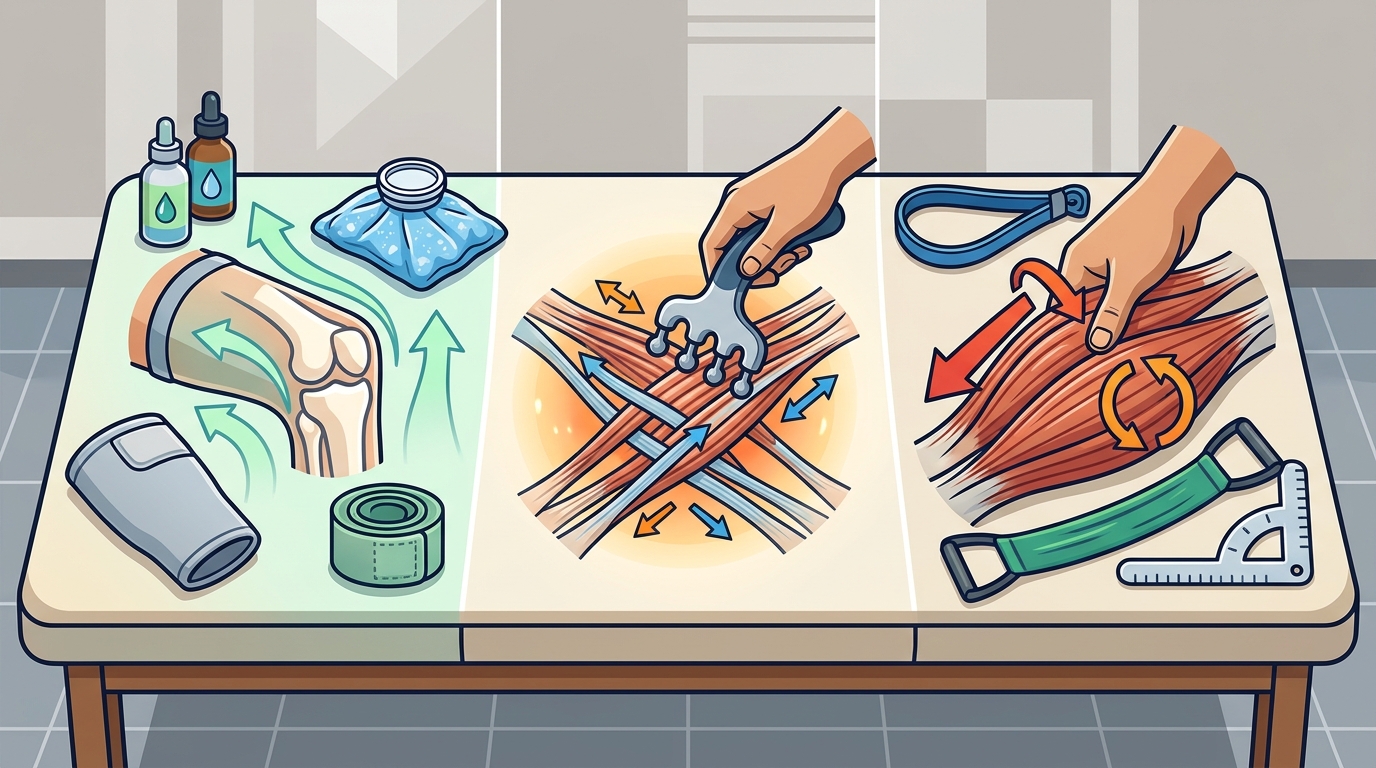
Every injury is unique, and the timeline for healing varies based on the individual's health, age, and the severity of the damage. A one-size-fits-all approach is rarely effective. At Piedmont Injury Massage, our certified therapists assess your specific condition to determine the appropriate stage of healing. We then select the techniques that will support your body's natural processes at that moment. according to Practice Based Research
Our team, led by Hart, a CIDESCO-certified esthetician and massage therapist, brings advanced training in lymphatic drainage and sports massage. This expertise allows us to provide precise, results-driven care. Whether you are in the acute phase of a new injury or managing a chronic condition, we tailor our sessions to your needs. We are not a "fluff" spa; we focus on tangible outcomes and functional recovery.
Key Takeaways
- Acute Phase (0-72 hours): Use gentle lymphatic drainage to reduce swelling and support inflammation.
- Subacute Phase (3-14 days): Apply soft tissue mobilization to prevent scar tissue and maintain pliability.
- Remodeling Phase (Weeks-Months): Utilize deep tissue and sports massage to restore strength and range of motion.
- Chronic Phase: Employ trigger point therapy to manage long-term pain and nervous system sensitization.
- Professional Assessment: A certified therapist can accurately identify your healing stage and adjust techniques accordingly.
- Consistency Matters: Regular sessions aligned with your healing phase yield better long-term results than sporadic treatments.
Frequently Asked Questions
When is it safe to start massage after an injury?
It is generally safe to begin gentle lymphatic drainage massage within the first 24 to 72 hours after an acute injury, provided there is no open wound or severe bleeding. Always consult with your healthcare provider before starting any new therapy.
Can massage help with chronic pain?
Yes, techniques like trigger point therapy and neuromuscular therapy are effective for managing chronic pain by releasing muscle tension and resetting nervous system sensitization.
What is the difference between sports massage and deep tissue massage?
Sports massage focuses on the kinetic chain and performance, while deep tissue massage targets deeper layers of muscle and fascia to release chronic tension. Both are useful in the remodeling phase but serve slightly different goals.
How often should I get a massage during recovery?
Frequency depends on the stage of healing. In the acute phase, sessions may be more frequent to manage swelling. In the remodeling phase, weekly or bi-weekly sessions are often recommended to maintain progress.
Is massage safe after surgery?
Massage can be beneficial after surgery, but it must be tailored to the specific procedure and healing stage. Gentle lymphatic drainage is often used to reduce post-surgical swelling, while deeper work is introduced only when the incision is fully healed.
Do I need a referral to see a massage therapist?
In Georgia, you do not need a referral to see a licensed massage therapist. However, if you are working with a physical therapist or doctor, it is beneficial to coordinate your care to ensure all treatments align.
Start Your Recovery Journey Today
Understanding the stages of injury healing is the first step toward effective recovery. By matching the right massage technique to your specific phase, you can support your body's natural processes and achieve better outcomes. Contact Piedmont Injury Massage to schedule a consultation and begin your personalized path to pain relief and muscle recovery.