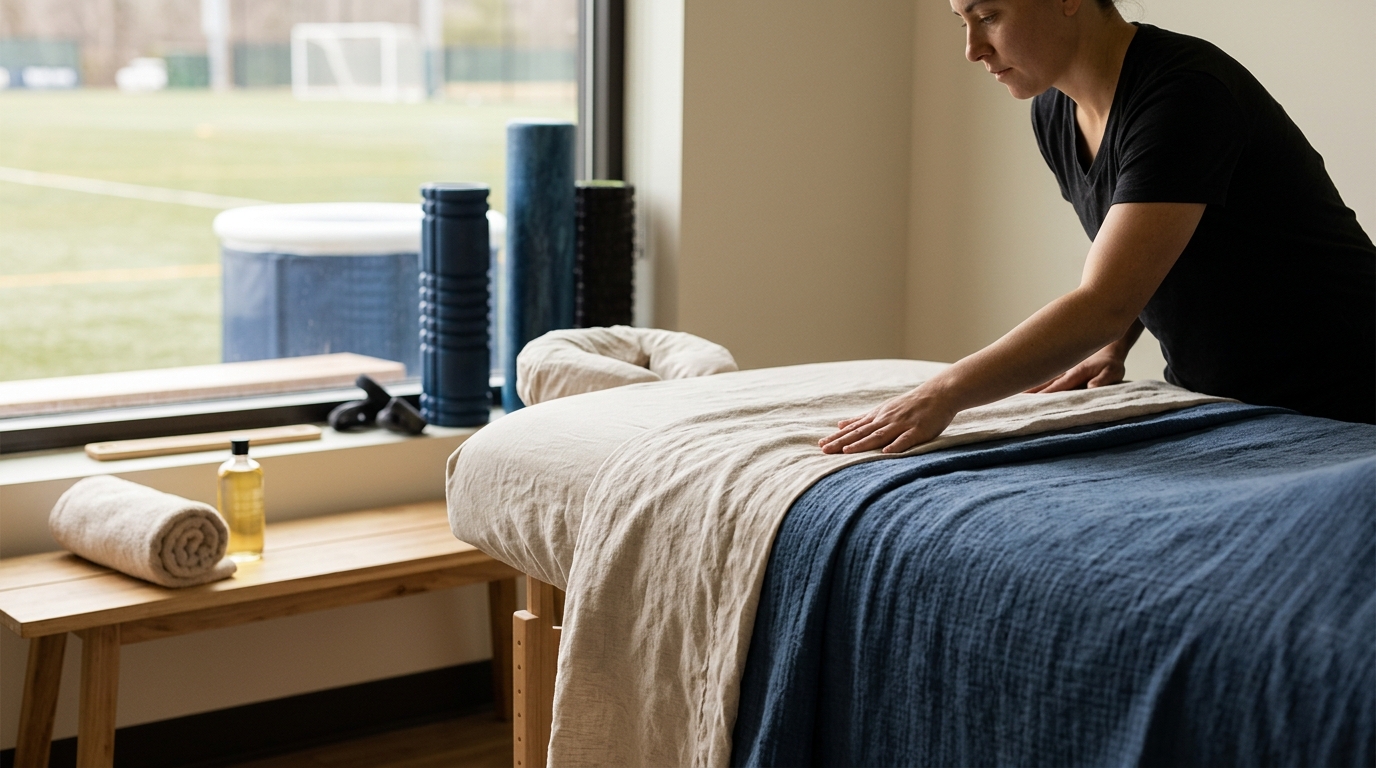
Sports massage is a targeted manual therapy that accelerates muscle recovery by enhancing circulation and reducing tissue tension. Unlike passive methods like ice baths or foam rolling, it provides active, hands-on intervention to address specific injury sites. For athletes in the Braselton and Hoschton areas, understanding how this therapy compares to other modalities is key to building an effective recovery protocol.
Understanding Sports Massage
Sports massage is a specialized form of bodywork designed to prepare the body for physical activity, aid in recovery, and prevent injury. It differs from relaxation massage by focusing on specific muscle groups and using deeper pressure to address trigger points and fascial restrictions. The primary goal is to restore optimal function and range of motion.
At Piedmont Injury Massage, therapists utilize techniques tailored to the athlete's specific sport and current physical state. This personalized approach ensures that the treatment addresses the unique demands placed on the body during training and competition.
Comparison with Passive Recovery
Passive recovery methods, such as ice baths and compression garments, rely on external stimuli to reduce inflammation and muscle soreness. While effective for immediate post-exercise relief, these methods do not actively manipulate tissue to release adhesions. They are best used as a first step in the recovery process.
In contrast, sports massage actively works to break down scar tissue and improve blood flow. This makes it a superior choice for addressing chronic tightness or specific pain points that passive methods cannot reach. Athletes often find that combining ice therapy with a subsequent massage session yields the best results.
Active Recovery Alternatives
Active recovery involves low-intensity movement, such as light jogging, swimming, or yoga, to promote blood flow without adding significant stress to the muscles. This method is excellent for maintaining mobility and preventing stiffness during rest days. However, it requires the athlete to have the energy and motivation to engage in physical activity.
Sports massage offers a complementary benefit by addressing areas that active movement may not fully reach. For example, deep tissue techniques can release tension in the hips or shoulders that light cardio does not address. Integrating both active movement and manual therapy creates a balanced recovery routine.
Technology-Driven Recovery
Modern technology has introduced tools like percussion massagers and electrical muscle stimulation (EMS) devices. These tools can provide rapid relief for muscle soreness and are convenient for use at home. They are particularly useful for athletes who need quick, targeted relief between training sessions.
However, technology-driven methods lack the diagnostic capability of a human therapist. A certified professional can assess muscle imbalances and adjust pressure in real-time based on tissue response. Frequency-Specific Microcurrent (FSM) is another advanced option that uses low-level electrical current to reduce pain and inflammation, offering a non-invasive alternative to manual massage for specific conditions.
Building a Hybrid Protocol
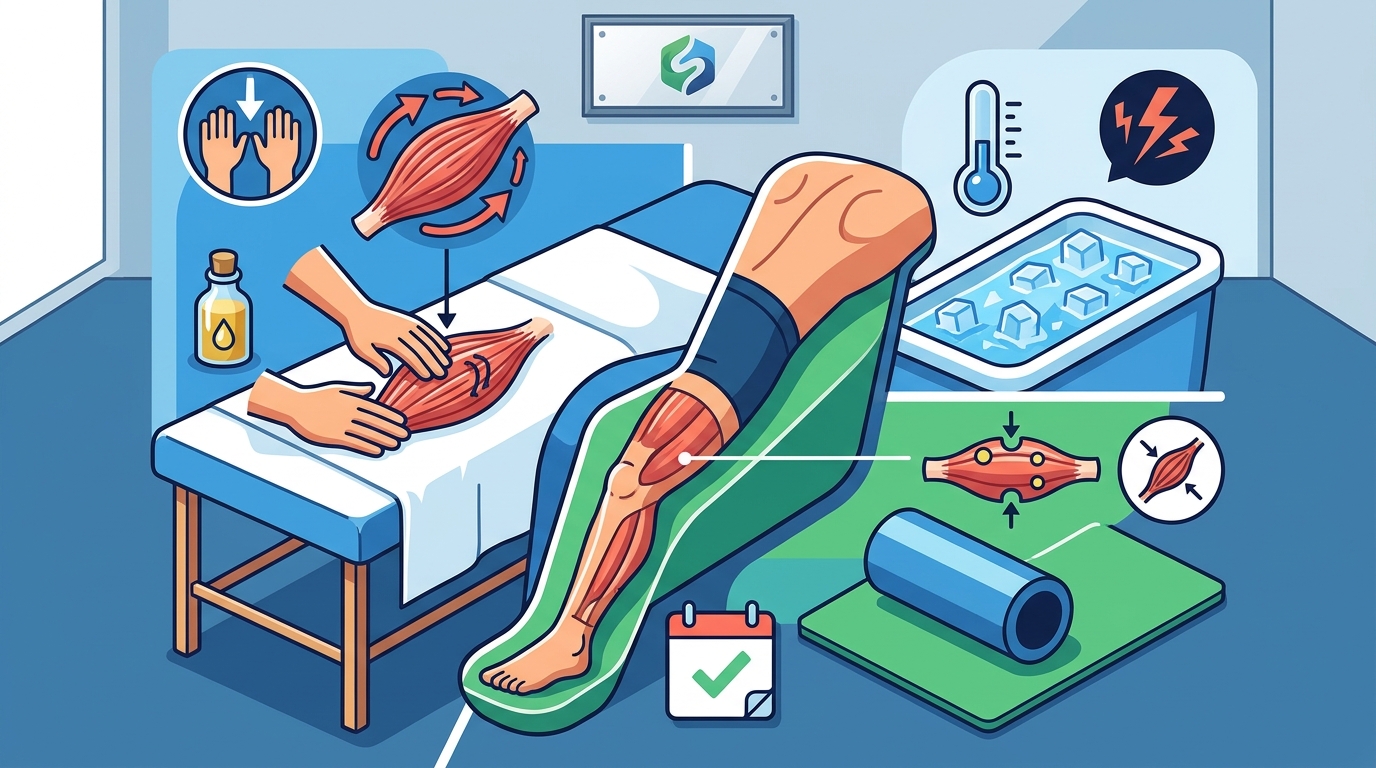
The most effective recovery strategy often combines multiple methods. A hybrid protocol might include ice baths immediately after intense training, light active recovery the next day, and a professional sports massage session later in the week. This layered approach addresses different aspects of recovery, from inflammation to tissue repair.
For residents of Hoschton and Braselton, Piedmont Injury Massage provides a convenient location for integrating professional care into a local training routine. The clinic's focus on pain management and muscle recovery ensures that athletes receive evidence-based treatments tailored to their needs.
Key Takeaways
- Sports massage is an active, hands-on therapy that targets specific muscle groups and fascial restrictions.
- Passive methods like ice baths are best for immediate post-exercise inflammation reduction.
- Active recovery through light movement helps maintain mobility but does not replace manual therapy.
- Technology tools like percussion massagers offer convenience but lack the diagnostic precision of a therapist.
- A hybrid recovery protocol combining multiple methods often yields the best long-term results.
- Professional assessment is crucial for identifying and addressing underlying muscle imbalances.
Frequently Asked Questions
Is sports massage better than foam rolling?
Sports massage is generally more effective for deep tissue issues because a therapist can apply precise pressure and adjust techniques in real-time. Foam rolling is a good self-care tool for general maintenance but cannot replicate the diagnostic and therapeutic depth of a professional session.
How often should athletes get a sports massage?
The frequency depends on the training load and individual recovery needs. Many athletes benefit from weekly sessions during peak training periods, while others may only need monthly maintenance. A therapist can help determine the optimal schedule based on your specific goals.
Can sports massage replace physical therapy?
No, sports massage is a complementary therapy and should not replace physical therapy for diagnosed injuries. However, it can work alongside physical therapy to enhance recovery and improve range of motion. Always consult with a medical professional for serious injuries.
Does sports massage help with injury prevention?
Yes, by addressing muscle imbalances and reducing tissue tension, sports massage can help prevent injuries. Regular sessions maintain optimal muscle function and flexibility, which are key factors in injury prevention.
Is sports massage painful?
It can be uncomfortable, especially when working on tight or injured areas, but it should not be excessively painful. A skilled therapist will work within your pain tolerance to achieve the best results without causing further damage.
What is the difference between sports massage and deep tissue massage?
Sports massage is specifically designed for athletes and focuses on performance and recovery. Deep tissue massage is a technique that can be used within a sports massage session to address deeper layers of muscle and fascia. The two terms are often used interchangeably, but sports massage has a more specific focus on athletic needs.
Can I use technology recovery tools at home?
Yes, tools like percussion massagers and foam rollers are excellent for self-care. They can help maintain muscle health between professional sessions. Just be mindful of the intensity and duration to avoid overuse injuries.
Choosing the right recovery method depends on your specific goals, training schedule, and individual response to different therapies. Sports massage offers a unique combination of active intervention and professional assessment that sets it apart from passive and technology-driven alternatives. By integrating it into a broader recovery strategy, athletes can optimize their performance and reduce the risk of injury.
For personalized care in the Braselton and Hoschton area, contact Piedmont Injury Massage to schedule a consultation and begin your path to better recovery. Learn more: Contact Us Piedmont Injury.