
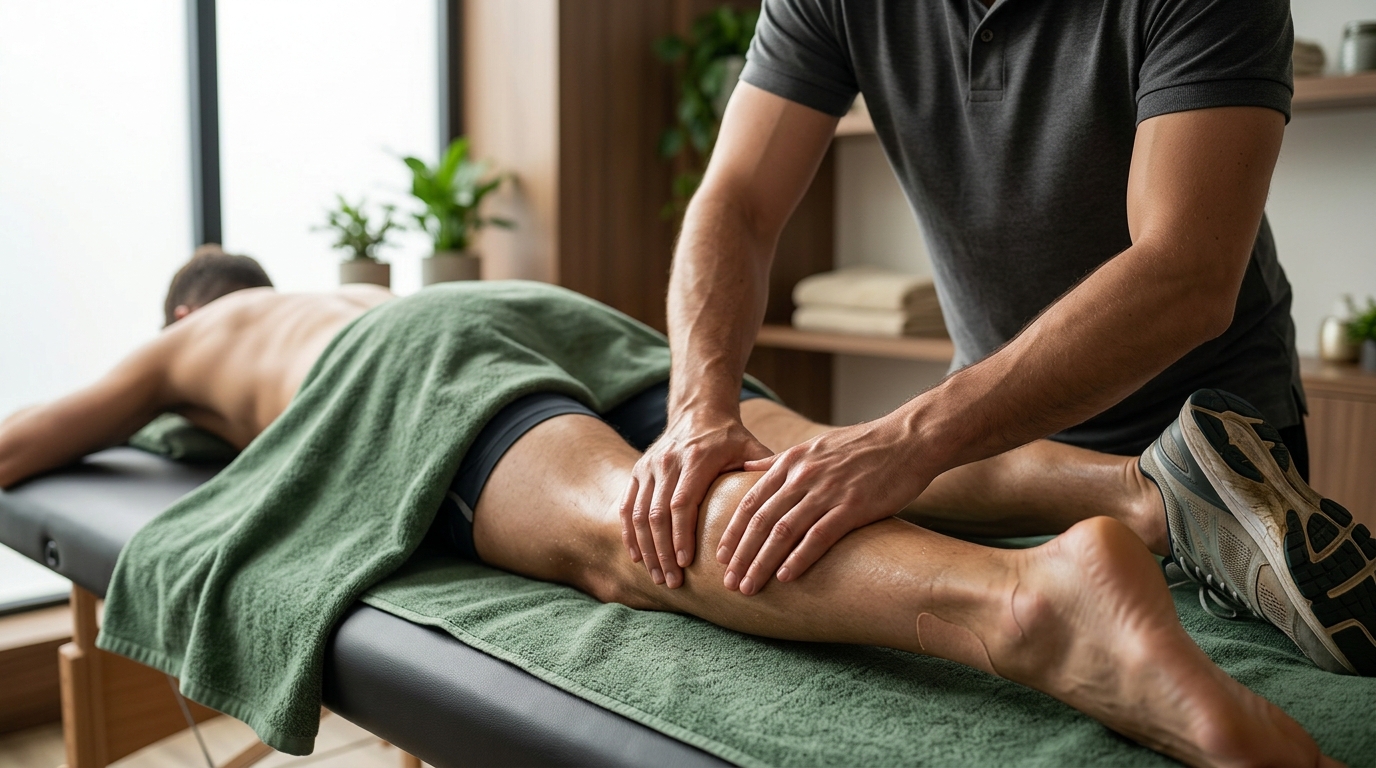
Sports massage is a specialized manual therapy technique designed to enhance athletic performance and accelerate recovery from soft tissue injuries. By targeting specific muscle groups and connective tissues, it helps restore mobility, reduce pain, and prepare the body for safe return to physical activity. This approach is particularly effective for individuals recovering from sprains, strains, or post-surgical limitations who wish to resume exercise without re-injury.
How Sports Massage Supports Tissue Healing
Sports massage is a therapeutic practice that uses specific techniques to manipulate muscles, tendons, and ligaments to promote healing. The primary mechanism involves increasing local blood circulation, which delivers oxygen and essential nutrients to damaged tissues while removing metabolic waste products. This physiological response reduces inflammation and stiffness, allowing for greater range of motion. For example, a runner recovering from a calf strain may experience reduced tightness and improved flexibility after a session, making it easier to resume light jogging.
Timing Your Return to Exercise
Timing is critical when reintroducing exercise after an injury. Sports massage is a tool that helps determine readiness by assessing muscle tension and pain levels. Therapists often use massage to identify trigger points and areas of restricted movement that could lead to re-injury if ignored. A common guideline is to wait until pain-free range of motion is achieved before increasing intensity. For instance, a cyclist with a hip flexor injury might use massage to ensure the muscle can contract and relax fully before returning to the bike.
Techniques for Injury Recovery
Different massage techniques serve specific purposes in the recovery process. Deep tissue massage is a method that applies firm pressure to reach deeper layers of muscle and fascia, breaking up adhesions and scar tissue. Myofascial release is another technique that focuses on the connective tissue surrounding muscles, helping to restore normal sliding and gliding of tissue layers. These methods are often combined with stretching to improve flexibility. A soccer player recovering from a hamstring tear, for example, might benefit from a combination of deep tissue work and gentle stretching to restore muscle length and strength.
Preventing Re-Injury Through Maintenance
Prevention is a key component of long-term athletic health. Regular sports massage is a proactive strategy that maintains muscle balance and identifies potential issues before they become injuries. By keeping tissues healthy and flexible, athletes can reduce the risk of overuse injuries and maintain peak performance. A marathoner, for example, might schedule monthly maintenance sessions to ensure their legs remain balanced and resilient throughout training cycles.
Local Expertise in Hoschton and Braselton
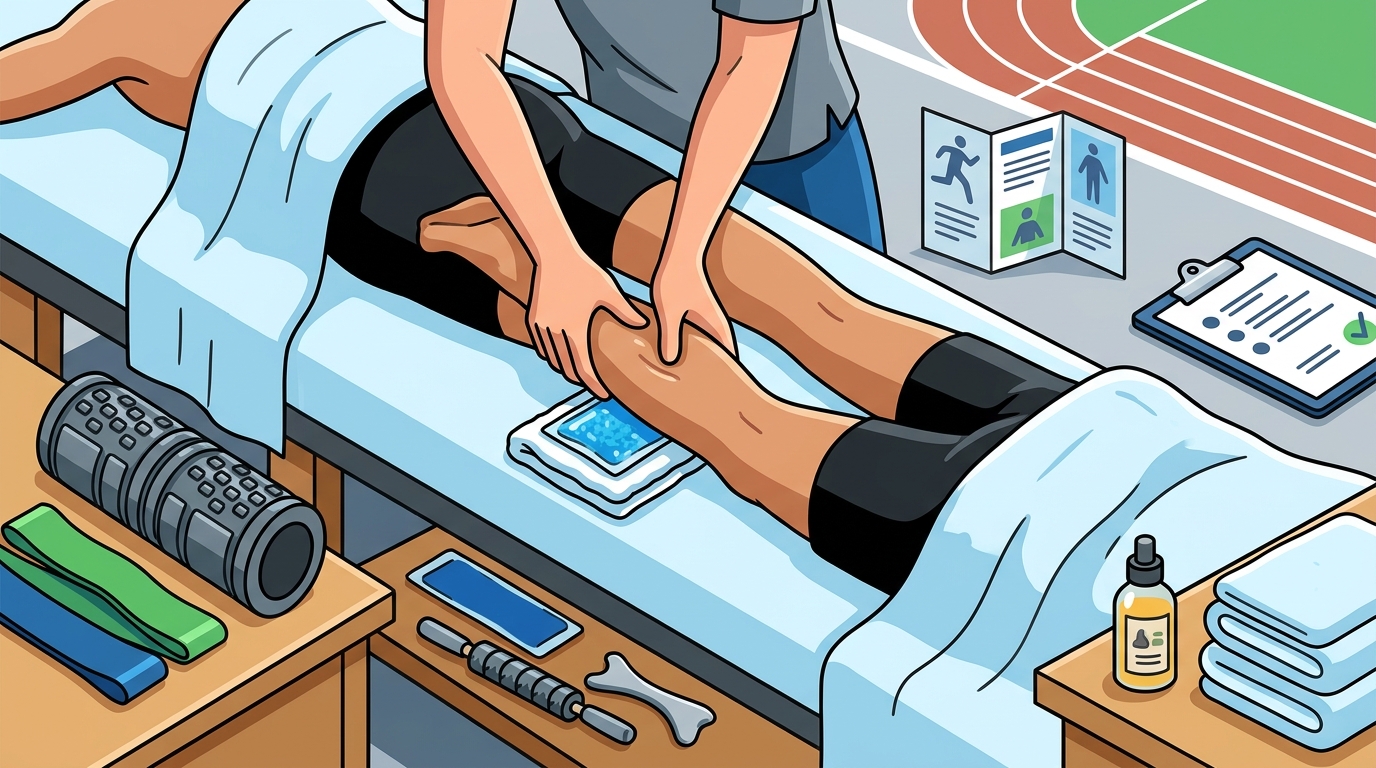
Access to qualified professionals is essential for safe and effective recovery. Piedmont Injury Massage in Hoschton and Braselton offers specialized sports massage services tailored to individual recovery needs. Their therapists are trained in advanced techniques and focus on pain management and muscle recovery. This local expertise ensures that clients receive personalized care that aligns with their specific injury history and exercise goals.
Key Takeaways
- Sports massage is a specialized therapy that enhances circulation and reduces inflammation in injured tissues.
- Timing your return to exercise based on pain-free range of motion is crucial for preventing re-injury.
- Deep tissue and myofascial release techniques are effective for breaking up scar tissue and restoring flexibility.
- Regular maintenance sessions help prevent overuse injuries and support long-term athletic performance.
- Working with a qualified local therapist ensures personalized care aligned with your specific recovery goals.
Frequently Asked Questions
Is sports massage safe immediately after an injury?
It is generally recommended to wait until acute inflammation has subsided before starting sports massage. Always consult with a healthcare provider to determine the appropriate timing for your specific injury.
How often should I get sports massage during recovery?
Frequency depends on the severity of the injury and your recovery progress. Initially, sessions may be more frequent, tapering off as you regain strength and mobility.
Can sports massage help with chronic pain?
Yes, sports massage can be effective for managing chronic pain by addressing underlying muscle imbalances and tension that contribute to discomfort.
What should I wear to a sports massage session?
Wear comfortable, loose-fitting clothing that allows easy access to the areas being treated. You may be asked to change into shorts or a tank top.
Does sports massage hurt?
While some pressure is applied, the session should not be painful. Communicate with your therapist about your comfort level, and they will adjust techniques accordingly.