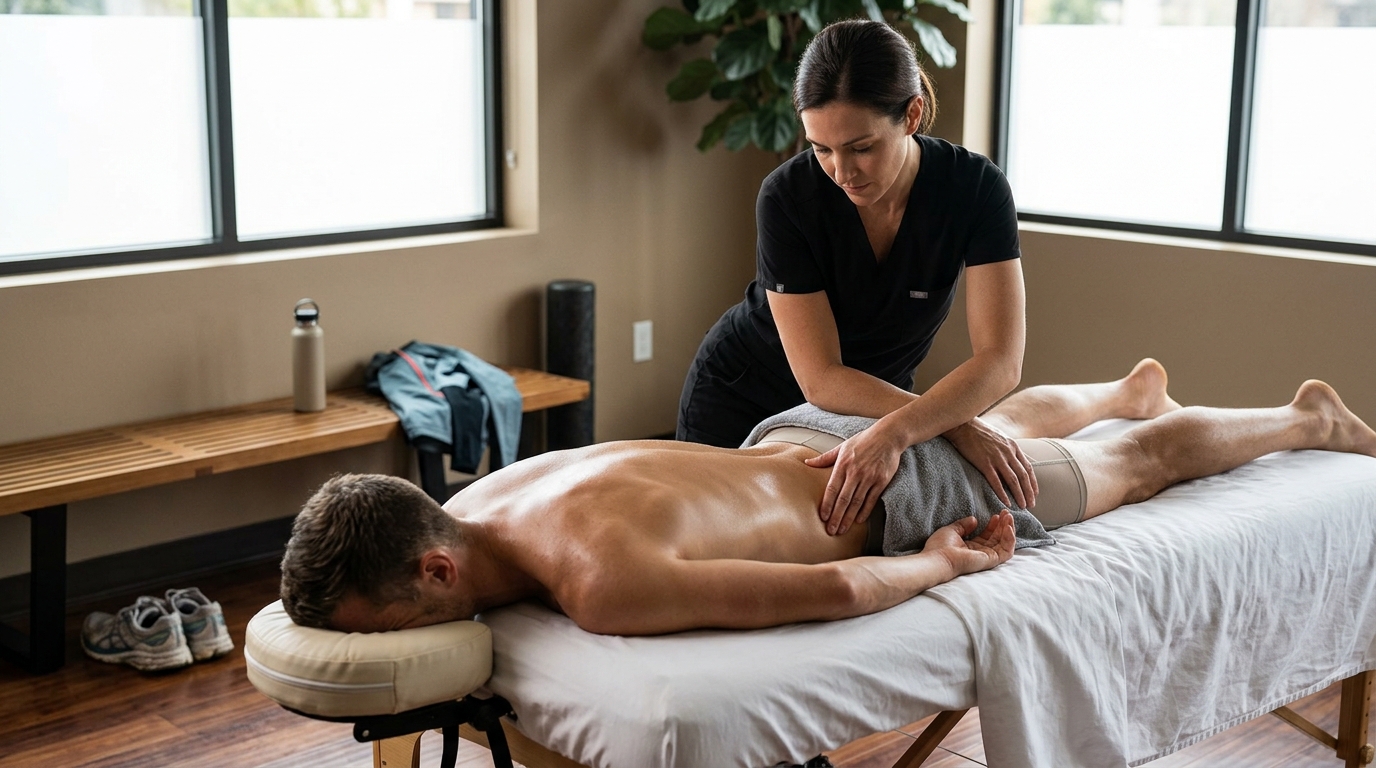
Sports massage therapy is a specialized manual therapy technique designed to enhance athletic performance, accelerate recovery, and prevent injury. For athletes in Braselton and Hoschton, Georgia, this targeted approach addresses the unique physical demands of training and competition. This guide explores the five core benefits of sports massage, including muscle soreness reduction, flexibility improvement, injury prevention, recovery acceleration, and stress relief. We will examine how these physiological and psychological advantages help you maintain peak condition throughout the season.
Muscle Soreness Reduction
Muscle soreness is a common complaint among athletes, often manifesting as delayed onset muscle soreness (DOMS) after intense training. Sports massage is a manual therapy practice that uses specific pressure and movement to alleviate this discomfort. By targeting tight muscle fibers and trigger points, therapists can reduce the perception of pain and improve comfort levels. This immediate relief allows athletes to move more freely and continue their training regimens without hindrance.
Addressing Trigger Points
Trigger points are hyperirritable spots in skeletal muscle that are associated with referred pain patterns. Sports massage techniques, such as deep tissue work, help release these knots. This release reduces local inflammation and improves blood flow to the affected area. As a result, the muscle tissue becomes less sensitive and more pliable.
Enhancing Circulation
Increased blood flow is a primary mechanism for reducing soreness. Massage stimulates the cardiovascular system, delivering oxygen and nutrients to damaged muscle fibers. It also helps remove metabolic waste products, such as lactic acid, which contribute to the burning sensation of soreness. At Piedmont Injury Massage, our therapists focus on these circulatory benefits to ensure you feel relief after every session.
Flexibility Improvement
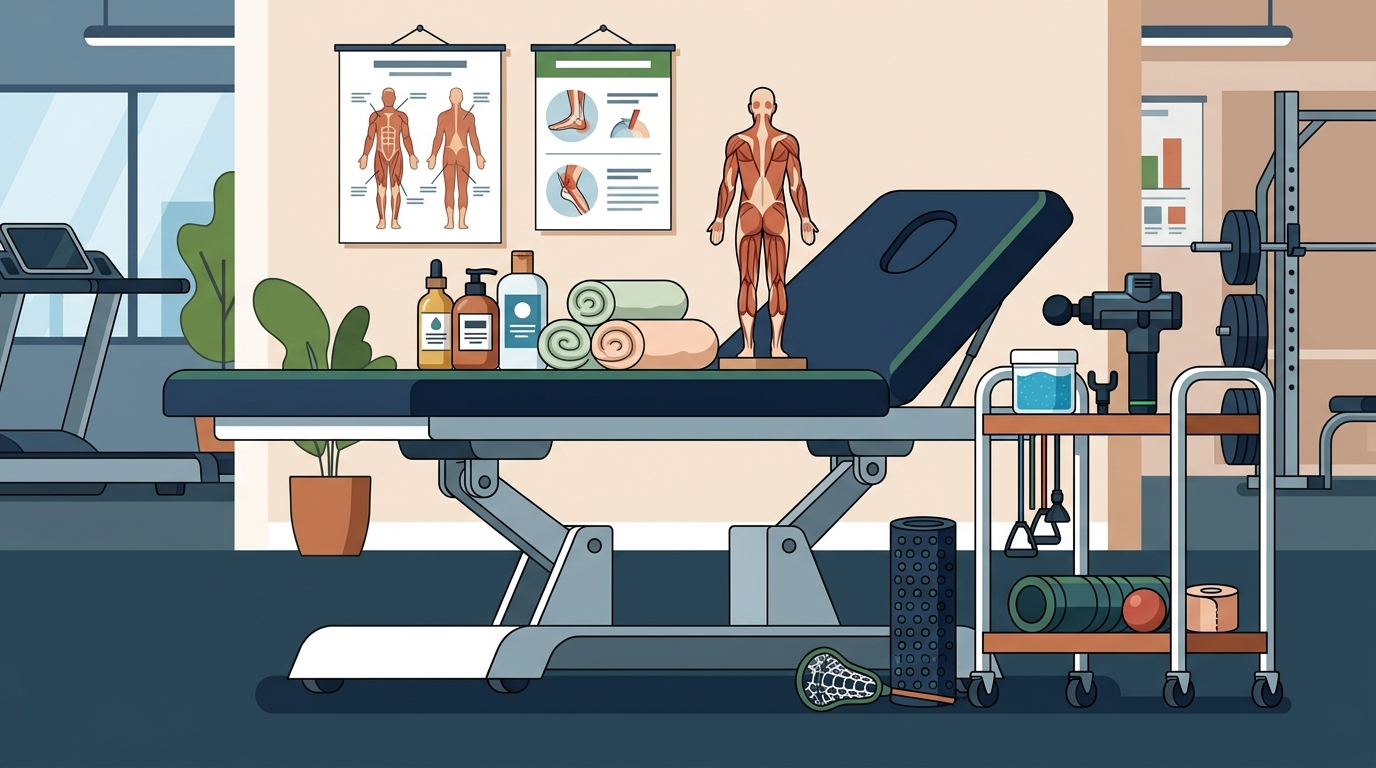
Flexibility is the ability of a joint or series of joints to move through an unrestricted, pain-free range of motion. Limited flexibility can restrict an athlete's performance and increase the risk of strain. Sports massage is a therapeutic intervention that lengthens muscle tissue and breaks down adhesions. By working on the fascia and muscle belly, therapists can restore optimal length and elasticity to the body.
Breaking Down Adhesions
Adhesions are bands of scar tissue that form when muscles are injured or overworked. These bands restrict movement and pull on surrounding tissues. Manual therapy techniques help break down these adhesions, allowing the muscle to slide smoothly over adjacent structures. This process is essential for maintaining a full range of motion in dynamic sports.
Improving Joint Mobility
While massage primarily targets soft tissue, the benefits extend to joint mobility. By reducing tension in the muscles surrounding a joint, the joint itself can move more freely. This is particularly important for athletes who rely on complex movements, such as throwing, kicking, or jumping. Improved flexibility leads to better biomechanics and more efficient movement patterns.
Injury Prevention
Injury prevention is a proactive approach to maintaining athletic health by identifying and addressing potential risk factors before they become problems. Sports massage is a key component of a comprehensive injury prevention strategy. It helps identify areas of muscle imbalance, tension, or weakness that could lead to injury. By correcting these issues early, athletes can train with greater confidence and safety.
Identifying Muscle Imbalances
Muscle imbalances occur when one muscle group is stronger or tighter than its opposing group. This imbalance can alter movement patterns and place excessive stress on joints and ligaments. A skilled massage therapist can detect these imbalances during a session. They can then apply specific techniques to restore balance and reduce the risk of compensatory injuries.
Managing Tissue Quality
Healthy tissue is resilient and able to withstand the stresses of training. Over time, tissue can become stiff, dehydrated, or inflamed, making it more susceptible to injury. Regular sports massage helps maintain tissue quality by promoting hydration and elasticity. This ensures that muscles, tendons, and ligaments are in optimal condition to handle the demands of competition.
Recovery Acceleration
Recovery is the process by which the body repairs and rebuilds itself after physical exertion. Effective recovery is essential for preventing overtraining and maintaining performance levels. Sports massage is a recovery tool that speeds up this process by enhancing physiological functions. It helps the body clear waste products, reduce inflammation, and restore energy levels more quickly.
Reducing Inflammation
Inflammation is a natural part of the healing process, but excessive inflammation can delay recovery. Massage has been shown to reduce inflammatory markers in the body. This helps minimize swelling and pain, allowing the athlete to return to training sooner. By managing inflammation, sports massage supports a faster and more complete recovery.
Supporting the Lymphatic System
The lymphatic system plays a crucial role in removing waste products and excess fluid from tissues. Sports massage techniques, particularly those focused on lymphatic drainage, support this system. By stimulating lymph flow, therapists help clear metabolic waste and reduce edema. This is especially beneficial for athletes who experience swelling after intense training or competition. For more information on this technique, see our guide to lymphatic drainage massage.
Stress Relief
Stress is a physiological and psychological response to physical or mental demands. For athletes, stress can come from training, competition, and life outside of sport. Sports massage is a relaxation technique that helps manage stress by activating the parasympathetic nervous system. This promotes a state of calm and reduces the production of stress hormones like cortisol.
Lowering Cortisol Levels
Chronic stress can impair recovery and increase the risk of injury. By lowering cortisol levels, sports massage helps create a more favorable environment for healing. It also promotes the release of endorphins, the body's natural painkillers and mood elevators. This combination of effects leads to improved mental well-being and a greater sense of relaxation.
Improving Sleep Quality
Quality sleep is essential for recovery and performance. Stress is a common cause of poor sleep. By reducing stress and promoting relaxation, sports massage can improve sleep quality. Better sleep allows the body to repair tissues and consolidate learning, leading to improved performance on the field. At Piedmont Injury Massage, we emphasize the importance of holistic wellness, including stress management, for our athletes.
Sports Massage vs. General Massage
While both sports massage and general therapeutic massage offer benefits, they serve different purposes and use different techniques. Understanding the differences can help you choose the right treatment for your needs. The table below summarizes the key distinctions between these two types of massage.
| Feature | Sports Massage | General Therapeutic Massage |
|---|---|---|
| Primary Goal | Enhance performance and prevent injury | Relaxation and general wellness |
| Techniques Used | Deep tissue, trigger point, stretching | Swedish, aromatherapy, hot stone |
| Pressure Level | Medium to deep | Light to medium |
| Focus Area | Specific muscle groups used in sport | Full body or areas of tension |
| Timing | Pre-event, post-event, or maintenance | As needed for relaxation |
Choosing the right type of massage depends on your current goals. If you are preparing for a competition, a pre-event sports massage may be beneficial. If you are recovering from a hard training block, a post-event sports massage can help. For general relaxation, a therapeutic massage might be the better choice. Our team at Piedmont Injury Massage can help you determine the best approach for your specific needs.
Key Takeaways
- Sports massage reduces muscle soreness by improving circulation and releasing trigger points.
- It improves flexibility by breaking down adhesions and restoring muscle length.
- Regular sessions help prevent injuries by identifying and correcting muscle imbalances.
- Massage accelerates recovery by reducing inflammation and supporting the lymphatic system.
- It promotes stress relief by lowering cortisol levels and improving sleep quality.
- Sports massage is distinct from general therapeutic massage in its goals and techniques.
- Combining sports massage with other recovery strategies, such as proper nutrition and sleep, yields the best results.
- Working with a certified therapist ensures safe and effective treatment tailored to your sport.
Frequently Asked Questions
How often should athletes receive sports massage?
The frequency of sports massage depends on your training schedule and individual needs. During heavy training blocks, weekly or bi-weekly sessions may be beneficial. During the off-season, monthly maintenance sessions can help keep tissues healthy. Consult with your therapist to develop a schedule that works for you.
Does sports massage hurt?
Sports massage can be intense, especially when working on tight muscles or trigger points. However, it should not be painful. Your therapist will communicate with you throughout the session to ensure the pressure is comfortable. If you experience sharp or severe pain, let your therapist know immediately.
Can sports massage help with chronic pain?
Yes, sports massage can be effective for managing chronic pain. By addressing the underlying causes of pain, such as muscle tension and poor circulation, it can provide long-term relief. However, it is important to work with a qualified therapist who can tailor the treatment to your specific condition.
Is sports massage safe for all athletes?
Sports massage is generally safe for most athletes. However, there are some contraindications, such as acute injuries, infections, or certain medical conditions. Always inform your therapist of any health issues or injuries before your session. A certified therapist will assess your condition and determine if massage is appropriate for you.
What should I wear to a sports massage session?
You should wear comfortable clothing that allows for easy movement. You may be asked to remove some clothing, but you will be draped with a sheet for privacy and warmth. Bring a towel and water to drink after your session, as hydration is important for recovery.
How long does it take to see results from sports massage?
Many athletes experience immediate relief from muscle tension and soreness after a session. However, the full benefits of sports massage, such as improved flexibility and injury prevention, may take several sessions to manifest. Consistency is key to achieving long-term results.
Conclusion
Sports massage therapy offers a comprehensive set of benefits for athletes, from reducing soreness to preventing injury. By integrating this practice into your training regimen, you can enhance your performance and maintain your health throughout the season. At Piedmont Injury Massage, we are dedicated to providing personalized, results-driven care for athletes in Braselton and Hoschton. Our certified therapists use advanced techniques to help you recover faster, perform better, and stay healthy. Contact us today to schedule your first session and start your journey toward peak performance.