Laser resurfacing tightens aging skin by creating controlled thermal injury that triggers collagen remodeling. It is a significant investment in time and recovery, typically requiring one to two weeks of downtime. For many, the long-term structural improvement justifies the temporary inconvenience, though non-invasive alternatives exist for those who cannot take time off work.
How Thermal Injury Triggers Tightening
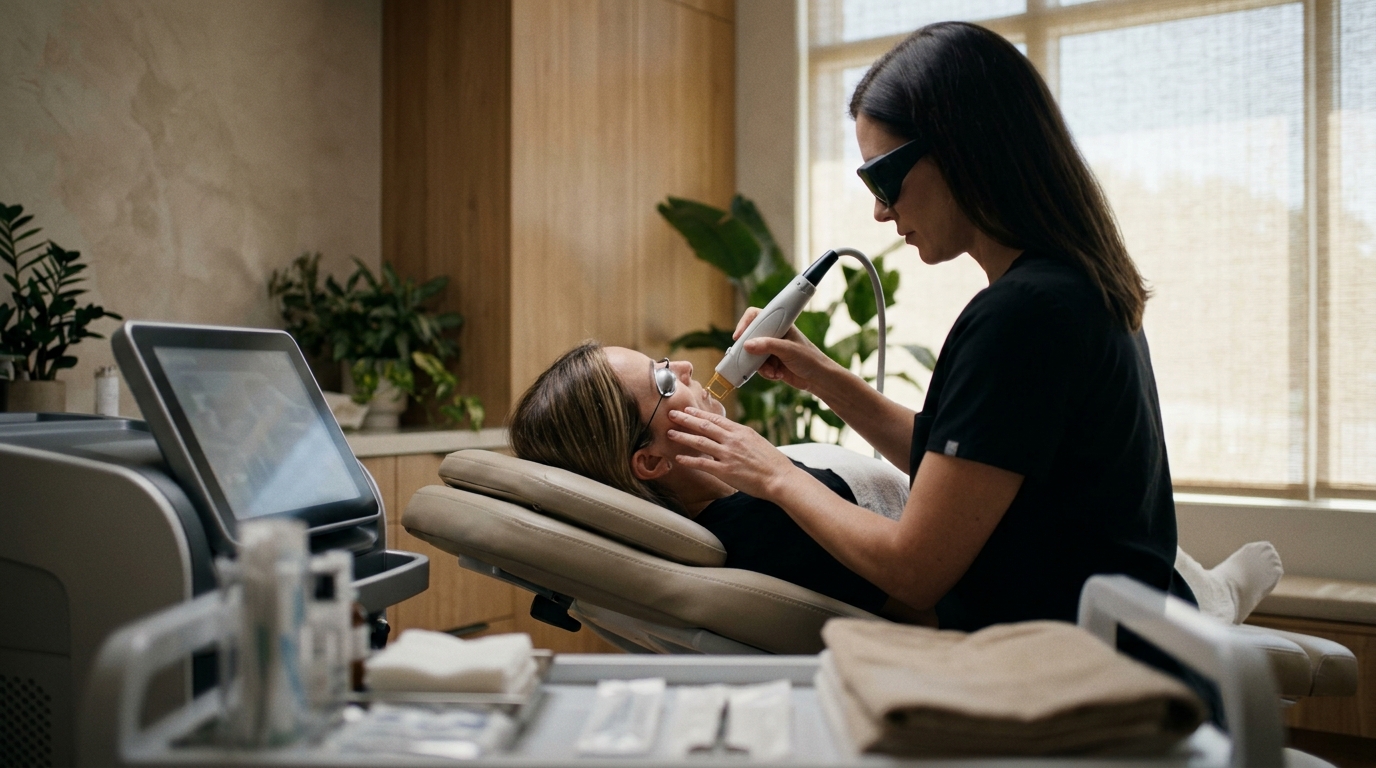
Laser resurfacing is a cosmetic procedure that uses concentrated light energy to remove or heat the outer layers of the skin. The primary goal is not just surface smoothing but structural tightening. When the laser energy penetrates the dermis, it causes a controlled thermal injury. This injury initiates the body's natural healing response, which is the engine behind skin tightening.
The process begins with the immediate contraction of existing collagen fibers. As the tissue cools, these fibers tighten, providing an initial lift. However, the real change happens over the following months. The body produces new collagen and elastin to repair the damaged area. This new tissue is denser and more organized than the old, degraded collagen found in aging skin. The result is a firmer, smoother complexion that resists sagging better than before.
There are two main types of lasers used for this purpose: ablative and non-ablative. Ablative lasers, such as CO2 or Erbium YAG, remove the top layer of skin entirely. They offer the most dramatic tightening but require the longest recovery. Non-ablative lasers heat the deeper layers without removing the surface, resulting in less downtime but often requiring multiple sessions for similar results. Understanding this distinction is crucial for setting realistic expectations.
The Reality of Recovery Time
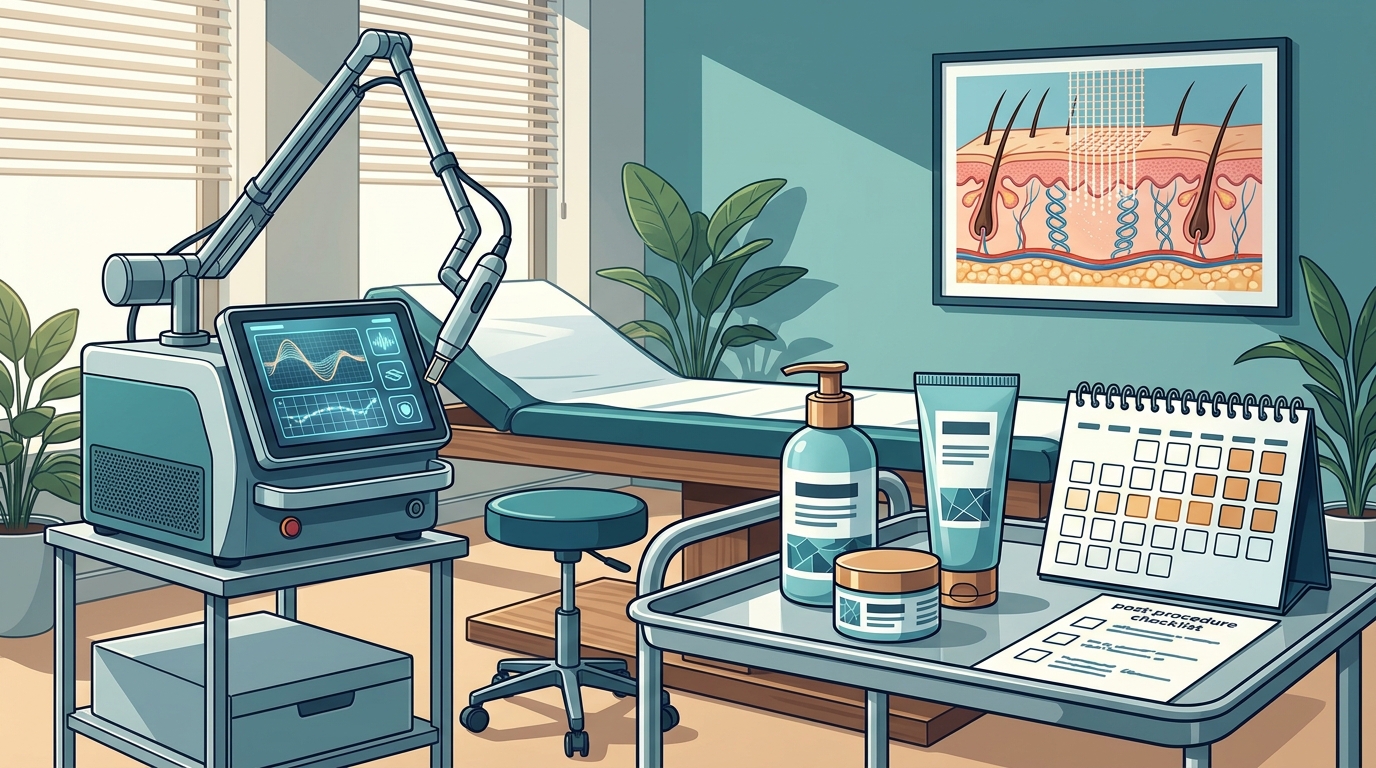
Downtime is the most significant barrier for many potential candidates. For ablative laser resurfacing, the recovery period is substantial. The skin typically appears red, swollen, and may blister or crust over for the first five to seven days. This is the acute healing phase. During this time, the skin is highly sensitive and requires meticulous care to prevent infection and scarring.
After the initial crusting falls off, the skin remains pink or red for several weeks. This erythema can last from four to eight weeks, depending on the depth of the treatment and the individual's skin type. Patients are advised to avoid direct sun exposure and use high-SPF sunscreen diligently during this period. For non-ablative treatments, the redness is usually mild and subsides within 24 to 48 hours, allowing most people to return to work the next day.
The decision to undergo laser resurfacing often hinges on whether the patient can manage this recovery window. If you have a major event or work obligation that cannot be missed, the downtime may outweigh the benefits. However, for those seeking a permanent structural change, the temporary inconvenience is often viewed as a worthwhile trade-off. Planning the procedure around a vacation or a period of reduced work demands is a common strategy to manage the recovery phase effectively.
Who Is a Good Candidate?
Laser resurfacing is not suitable for everyone. Ideal candidates are those with significant sun damage, deep wrinkles, or loss of skin elasticity who are in good general health. The procedure works best on skin that has some remaining collagen potential. If the skin is severely atrophic or has very little collagen left, the results may be less dramatic.
It is also important to consider skin tone. While modern lasers are safer for a wider range of skin types, darker skin tones carry a higher risk of post-inflammatory hyperpigmentation. A thorough consultation with a board-certified dermatologist or plastic surgeon is essential to assess your specific skin type and medical history. They can determine if you are a good candidate and which type of laser is most appropriate for your goals.
Another factor to consider is the presence of active skin conditions. Conditions like active herpes simplex virus, eczema, or psoriasis in the treatment area can complicate healing and increase the risk of complications. These conditions must be managed and cleared before proceeding with laser treatment. A professional evaluation ensures that the treatment plan is safe and tailored to your unique biological response.
Comparing Laser to Non-Invasive Options
For those who find the downtime of laser resurfacing prohibitive, several non-invasive alternatives offer milder tightening effects. Radiofrequency (RF) treatments, such as Thermage, use heat to stimulate collagen without breaking the skin's surface. These treatments typically require no downtime, but the results are more subtle and often require maintenance sessions every six to twelve months.
Ultrasound-based treatments, like Ultherapy, target the deeper structural layers of the skin and neck. They provide a lifting effect that can last up to a year or more. Like RF, these procedures involve minimal to no downtime, making them attractive for busy professionals. However, they do not address surface texture issues like fine lines or sun spots as effectively as laser resurfacing.
Choosing between laser and non-invasive options depends on your primary concern. If your main goal is to address deep wrinkles and significant texture irregularities, laser resurfacing is likely the superior choice. If your primary concern is mild sagging and you cannot take time off, non-invasive options may be a better fit. Many patients opt for a combination approach, using non-invasive treatments for maintenance and reserving laser resurfacing for a major rejuvenation event.
Making an Informed Decision
Laser resurfacing is a powerful tool for reversing the signs of aging, but it demands a commitment to recovery. The mechanism of controlled thermal injury leads to genuine structural tightening, but the cost is time. Before deciding, evaluate your lifestyle, work schedule, and specific skin concerns. A consultation with a qualified provider will help you weigh the benefits against the downtime and determine if this procedure aligns with your goals.
While Piedmont Injury Massage specializes in therapeutic bodywork and skin care services in Hoschton, GA, we recognize the importance of informed decision-making for all aesthetic concerns. For those interested in non-invasive skin care options that complement or serve as alternatives to laser treatments, our studio offers advanced facials and microcurrent therapies. To explore how we can support your skin health goals, for a personalized consultation.
Key Takeaways
- Laser resurfacing tightens skin by triggering new collagen production through controlled thermal injury.
- Ablative lasers offer the most dramatic results but require one to two weeks of significant downtime.
- Non-ablative lasers provide milder tightening with minimal to no downtime, often requiring multiple sessions.
- Recovery involves redness, swelling, and potential crusting, requiring strict sun protection and care.
- Non-invasive alternatives like radiofrequency and ultrasound offer lifting with no downtime but less dramatic results.
- Candidate suitability depends on skin type, health history, and the severity of aging signs.
- Consultation with a board-certified specialist is essential to determine the best treatment approach.
Frequently Asked Questions
How long does laser resurfacing downtime last?
Ablative laser resurfacing typically requires seven to 14 days of downtime, with redness lasting several weeks. Non-ablative treatments usually have no downtime, with mild redness subsiding within a day.
Does laser resurfacing actually tighten skin?
Yes, it tightens skin by stimulating the production of new, denser collagen and elastin in the dermis, leading to a firmer appearance over several months.
Is laser resurfacing permanent?
The results are long-lasting but not permanent. The new collagen continues to age over time, so maintenance treatments may be needed in the future to sustain the results.
What is the difference between ablative and non-ablative lasers?
Ablative lasers remove the top layer of skin, offering more dramatic results but longer recovery. Non-ablative lasers heat the deeper layers without removing the surface, resulting in less downtime.
Who should avoid laser resurfacing?
Individuals with active skin infections, certain autoimmune conditions, or a history of keloid scarring may not be good candidates. A medical evaluation is necessary to determine suitability.
Can I return to work after laser resurfacing?
After ablative resurfacing, most people need one to two weeks off work. After non-ablative treatments, most can return to work the next day, though mild redness may be visible. Learn more: Contact Piedmont Injury Massage.