

Understanding where your body is in the recovery process is essential for effective treatment. Piedmont Injury Massage helps clients in Braselton and Hoschton, GA, navigate these phases with personalized care. By recognizing the physical signals your body sends, you can align your therapy with your current biological needs. This approach ensures that your recovery plan is both safe and efficient.
1. Acute Inflammation and Swelling
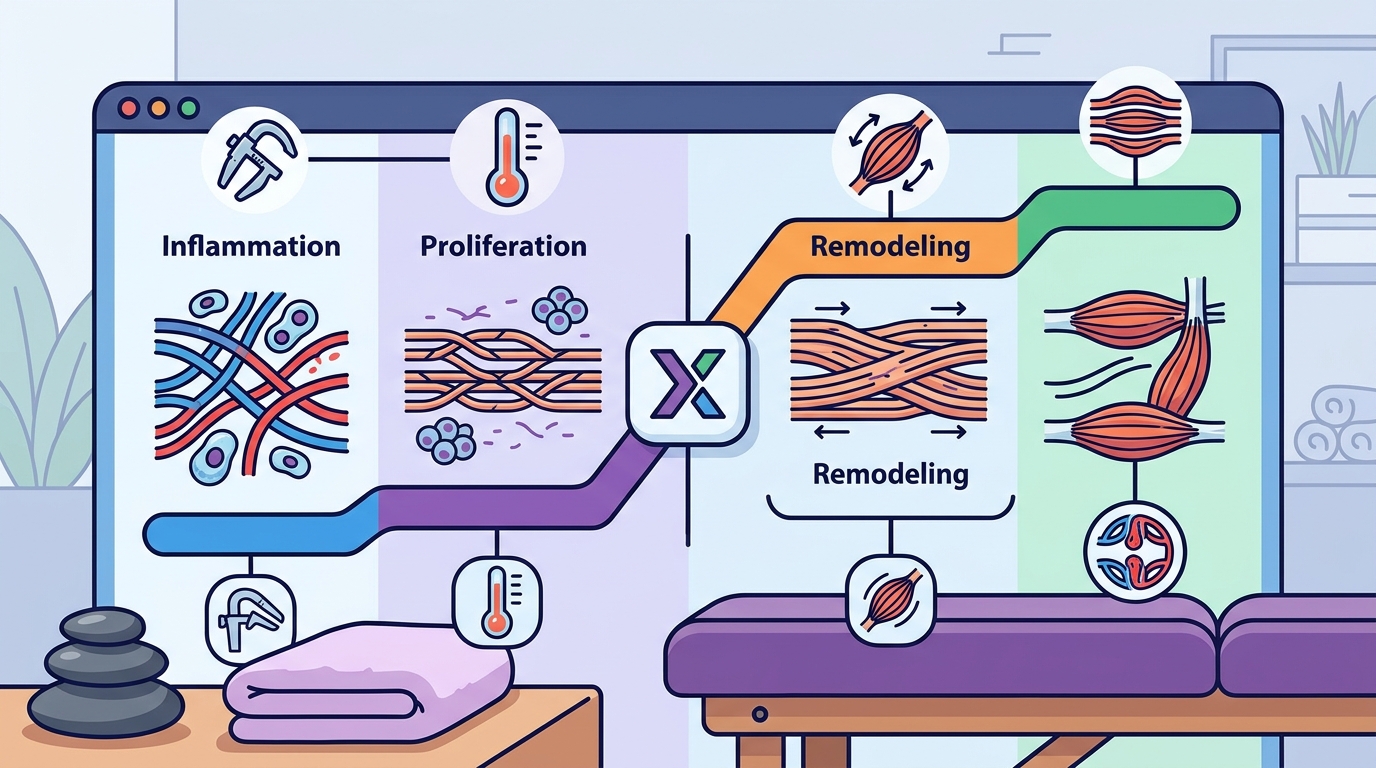
Immediate swelling and heat indicate the inflammatory phase. This is the body's first response to tissue damage. You will likely notice redness, warmth, and significant swelling at the injury site. During this stage, aggressive deep tissue work is generally contraindicated. The goal is to manage inflammation and protect the tissue while it begins its initial repair process.
2. Reduced Range of Motion
Stiffness and limited movement signal the proliferative phase. As the body lays down new tissue, it often creates scar tissue that can feel tight. You may find it difficult to move the joint or muscle through its full range. This is a critical time for gentle mobilization to prevent excessive scar tissue formation. Therapeutic massage can help maintain flexibility during this period.
3. Persistent Dull Ache
A lingering dull pain suggests the remodeling phase. The sharp pain of the initial injury has faded, but a background ache may remain. This indicates that the new tissue is still maturing and strengthening. It is often the stage where chronic issues can develop if not addressed. Consistent, moderate pressure therapy helps align collagen fibers for long-term strength.
4. Muscle Guarding and Tension
Protective muscle tightness is a sign of compensatory guarding. Your body may tighten surrounding muscles to protect the injured area. This can lead to secondary pain in adjacent regions. You might feel tension in muscles that were not originally injured. Addressing this guarding is vital to restore normal movement patterns and prevent new injuries.
5. Fatigue and Slow Recovery
Unusual fatigue can indicate a stalled healing process. If you are not improving as expected, your body may be struggling with the repair workload. This can be a sign that the injury has moved into a chronic state. It is important to assess your overall wellness and stress levels during this time. Lymphatic drainage massage can support the body's detoxification and fluid balance during recovery.
6. Return of Sharp Pain on Activity
Sharp pain during movement signals a potential re-injury. If you feel a sudden, sharp pain when you move, stop immediately. This is a clear warning that the tissue is not yet ready for that level of stress. Pushing through this pain can undo weeks of progress. It is crucial to scale back activity and consult with a professional to reassess your healing stage.
7. Full Functional Strength
Unrestricted movement and strength mark the final stage. You can perform your daily activities and athletic pursuits without pain or hesitation. The tissue has fully remodeled and regained its original function. This is the stage where maintenance and performance enhancement become the primary goals. Sports massage is ideal for maintaining peak performance at this stage.
Choosing the Right Approach
Selecting the correct therapy depends on matching the treatment intensity to your healing stage. Acute injuries require gentle, protective care, while chronic issues benefit from deeper, corrective techniques. At Piedmont Injury Massage, our certified therapists assess your specific signs to create a customized plan. We focus on pain management and muscle recovery to ensure you reach your full potential safely.
Frequently Asked Questions
How long does the inflammatory stage last?
The inflammatory stage typically lasts from a few days to about a week. The duration depends on the severity of the injury and individual healing rates. It is characterized by swelling, heat, and redness. Proper care during this phase sets the foundation for the subsequent healing stages.
Can massage therapy help with chronic pain?
Yes, massage therapy is highly effective for chronic pain conditions. It helps break up scar tissue, improve circulation, and reduce muscle guarding. Techniques like deep tissue and myofascial release are often used to address long-standing issues. Our therapists tailor the approach to your specific chronic condition.
What is the difference between acute and chronic injuries?
Acute injuries are sudden and recent, while chronic injuries persist over a longer period. Acute injuries involve active inflammation, whereas chronic injuries often involve tissue remodeling and guarding. Understanding this difference is key to choosing the right treatment. Piedmont Injury Massage specializes in managing both types of injuries.
Is it safe to exercise during the healing process?
Exercise can be beneficial, but it must be appropriate for your healing stage. During the inflammatory phase, rest is usually recommended. As you move into the proliferative and remodeling phases, gentle movement and strengthening exercises become important. Always listen to your body and avoid movements that cause sharp pain.
How often should I get a massage for injury recovery?
The frequency depends on the severity of the injury and your healing stage. Acute injuries may require less frequent, gentler sessions, while chronic issues may benefit from regular, consistent therapy. Your therapist will recommend a schedule based on your progress. Consistency is key to achieving long-term results.
Where can I find a certified massage therapist in Georgia?
Piedmont Injury Massage is located in Hoschton, GA, and serves the Braselton community. Our therapists hold advanced certifications, including CIDESCO and Vodder Institute training. We provide personalized, hands-on care for pain management and muscle recovery. To begin your recovery journey, contact our team to book an appointment.