
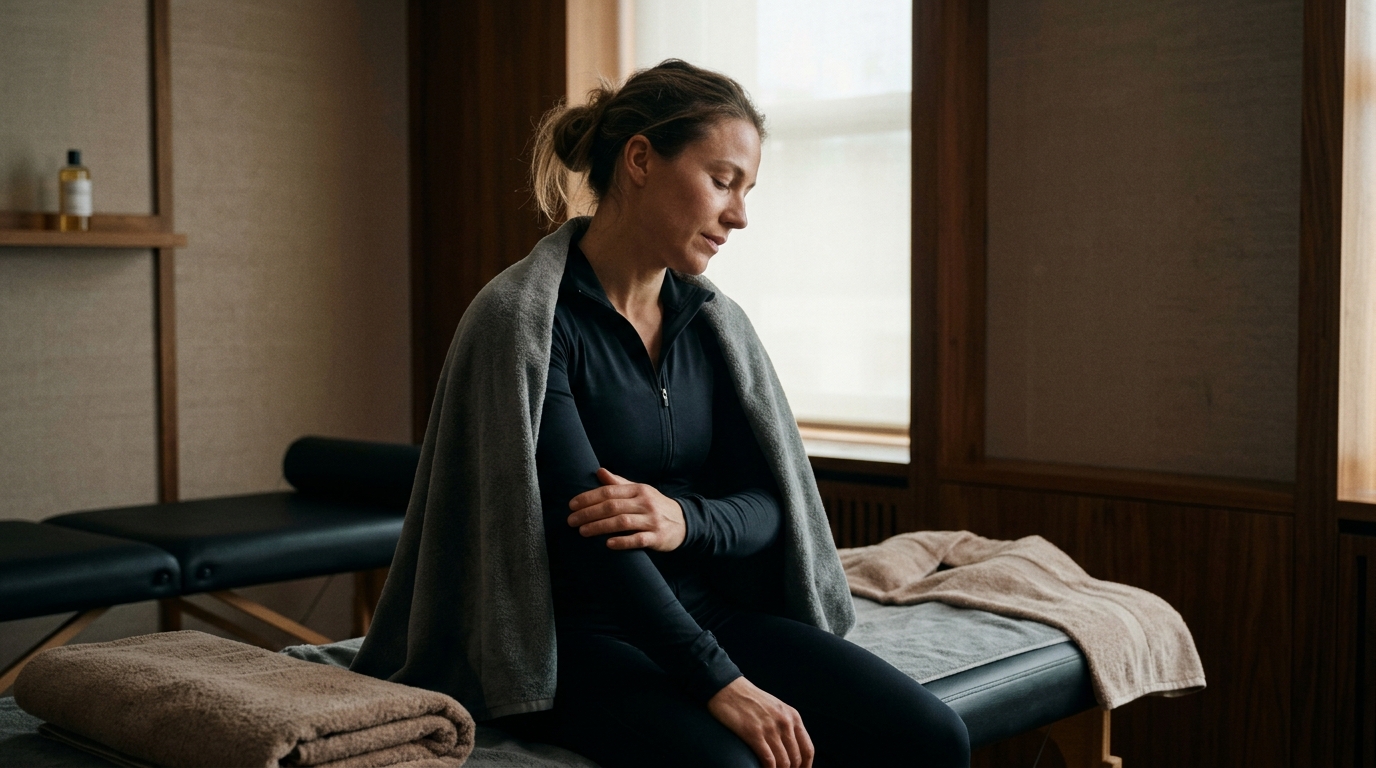
Sports massage helps athletes manage mental stress and anxiety by lowering cortisol levels and increasing serotonin and dopamine. This physiological shift reduces the body's fight-or-flight response, allowing the mind to relax. At Piedmont Injury Massage, we use targeted techniques to support both physical recovery and mental clarity.
The Physiology of Relaxation
Stress triggers the release of cortisol, a hormone that keeps the body in a state of high alert. Chronic elevation of this hormone can lead to anxiety and poor sleep. Sports massage is a manual therapy technique that directly influences the autonomic nervous system. By applying pressure to specific muscle groups, therapists stimulate the parasympathetic nervous system. This shift moves the body from a state of stress to a state of rest and digest.
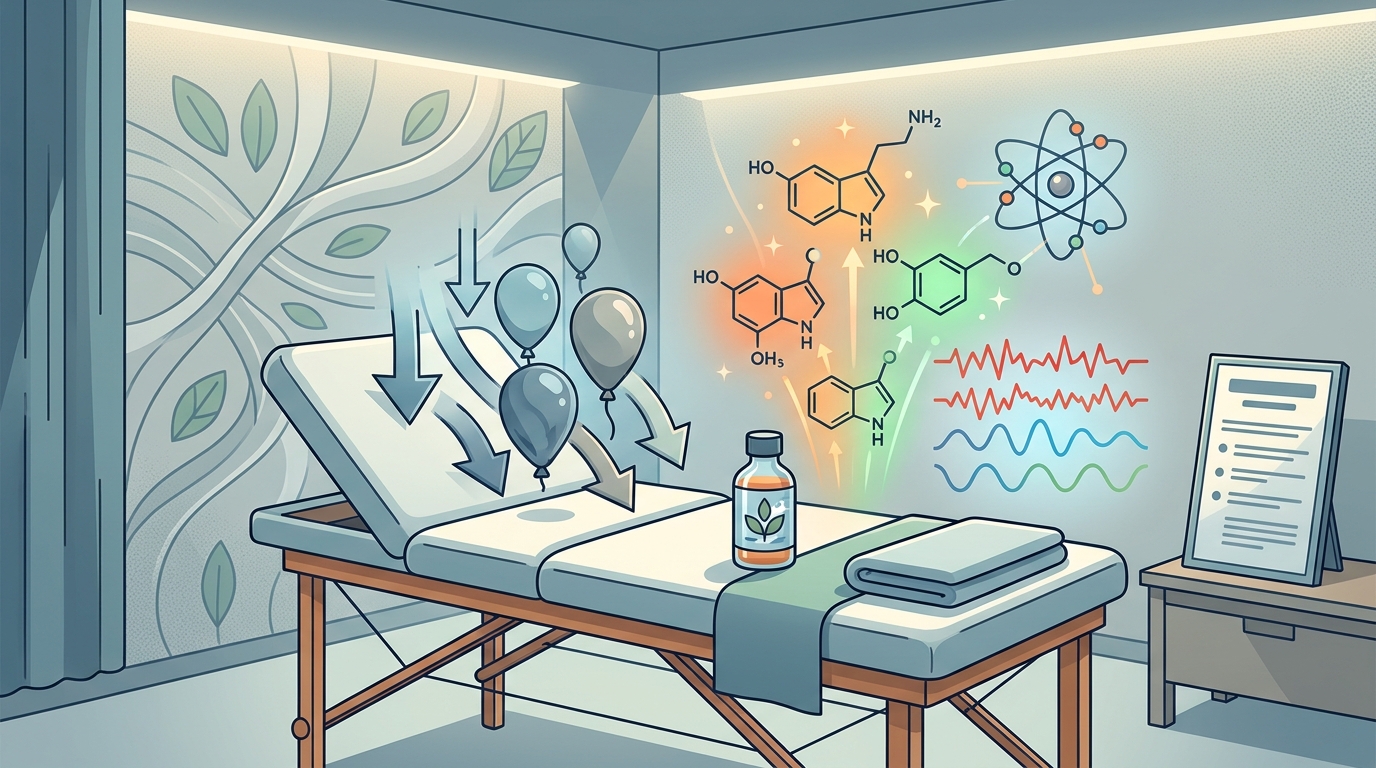
Research indicates that massage therapy can significantly reduce cortisol levels. When cortisol drops, the body produces more serotonin and dopamine. These neurotransmitters are often called feel-good chemicals because they improve mood and reduce anxiety. For athletes, this chemical balance is crucial for maintaining focus and emotional stability during intense training periods.
Breaking the Pain-Stress Cycle
Physical pain and mental stress often feed into each other. When an athlete is in pain, their body tenses up, which increases stress. This tension can then make the pain feel worse, creating a difficult cycle to break. Sports massage interrupts this loop by releasing muscle tension and improving blood flow. Better circulation brings oxygen and nutrients to injured tissues, speeding up healing.
As the physical pain decreases, the mental burden lifts. Athletes report feeling a sense of relief that goes beyond just the muscles. This psychological relief helps them approach their next training session with confidence rather than fear. By addressing the physical source of stress, the mind is freed to focus on performance goals.
Enhancing Sleep Quality
Poor sleep is a major contributor to anxiety and mental fatigue. Athletes who do not sleep well often struggle with concentration and emotional regulation. Sports massage promotes deeper, more restorative sleep by relaxing the body and calming the mind. The physical relaxation achieved during a session carries over into the night, helping athletes fall asleep faster and stay asleep longer.
Improved sleep quality has a direct impact on mental health. When athletes get adequate rest, their brains can process the day's events and reset for the next challenge. This natural reset reduces the accumulation of stress hormones. Over time, consistent sleep improvement leads to a more resilient mindset and lower baseline anxiety levels.
Building Mental Resilience
This consistent care helps athletes develop a stronger connection with their bodies. They learn to recognize early signs of stress and tension before they become overwhelming. This awareness is a key component of mental resilience. Athletes who practice this self-awareness are better equipped to handle the psychological demands of high-level competition.
Key Takeaways
- Sports massage lowers cortisol levels, reducing the physiological impact of stress.
- It increases serotonin and dopamine, which improve mood and reduce anxiety.
- Releasing muscle tension breaks the cycle between physical pain and mental stress.
- Improved sleep quality from massage supports better emotional regulation.
- Regular sessions help build mental resilience and self-awareness in athletes.
Frequently Asked Questions
How often should athletes get a sports massage for stress relief?
Most athletes benefit from a session every two to four weeks. However, during peak training or competition periods, more frequent sessions may be helpful. Consistency is key to maintaining the stress-reducing benefits of massage therapy.
Does sports massage work for anxiety without physical injury?
Yes, sports massage is effective for stress and anxiety even without a specific injury. The relaxation response triggered by the therapy helps calm the nervous system. Athletes can use it as a preventive measure to manage the mental demands of their sport.
Can massage replace therapy for severe anxiety?
No, massage is a complementary tool, not a replacement for professional mental health care. It can support overall well-being, but severe anxiety should be addressed with a licensed therapist or psychiatrist. Massage works best as part of a holistic wellness plan.
What type of massage is best for mental stress?
Sports massage and therapeutic massage are both effective for stress relief. Sports massage focuses on deeper tissue work to release tension, while therapeutic massage may include lighter techniques for relaxation. The best choice depends on the individual's comfort level and specific needs.
How quickly will I feel less anxious after a massage?
Many people feel a sense of relaxation immediately after a session. However, the full benefits of reduced stress and improved mood often build over several sessions. Consistent treatment leads to more lasting changes in how the body handles stress.
Conclusion
Managing mental stress is just as important as physical training for athletic success. Sports massage offers a powerful way to support mental health by calming the nervous system and improving sleep. At Piedmont Injury Massage, we provide personalized care that addresses both the body and the mind. to schedule a session and start your journey toward greater mental resilience.