
Retinoids cannot fully reverse the loss of firmness in mature skin, but they significantly improve texture, tone, and collagen density. By accelerating cell turnover and stimulating new collagen production, these vitamin A derivatives help restore a more youthful appearance. While they do not restore lost elasticity to its original state, they are the most evidence-based topical treatment available for aging skin.
The Science of Skin Aging and Firmness
Understanding why skin loses firmness is the first step in treating it. As we age, the production of collagen and elastin slows down. Collagen is the structural protein that provides skin with its strength and firmness. When this protein degrades, the skin becomes thinner and less resilient. This process is accelerated by environmental factors such as UV radiation and oxidative stress.
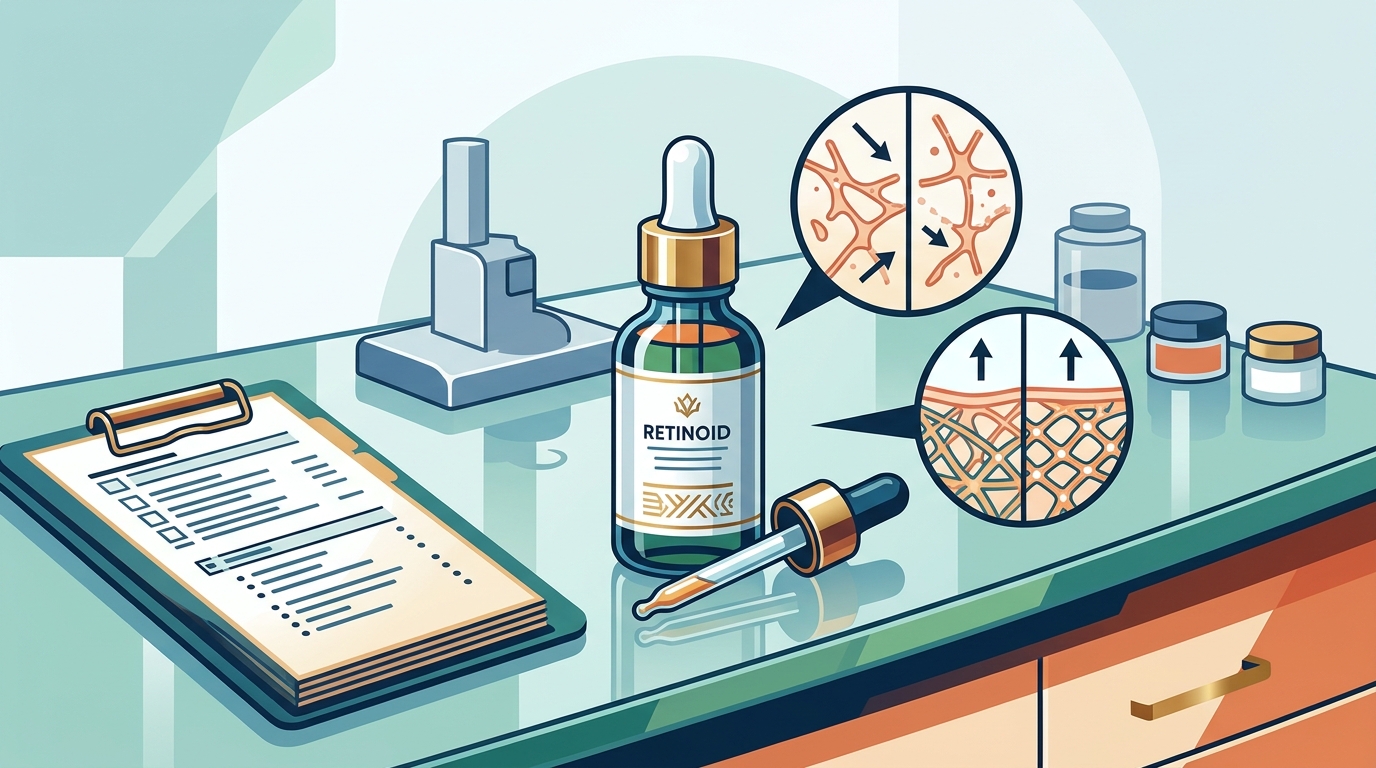
Retinoids work by signaling the skin to behave as if it were younger. They increase the rate at which skin cells turn over, which helps remove damaged cells and replace them with new ones. This process is not just about surface appearance; it affects the deeper layers of the skin where structural integrity is determined. By targeting the root cause of aging at the cellular level, retinoids offer a mechanism that other topical ingredients cannot match.
How Retinoids Stimulate Collagen Production
The primary benefit of retinoids for mature skin is their ability to stimulate collagen synthesis. Research has shown that retinoids can increase the production of type I and type III collagen in the dermis. This is a critical distinction because many other anti-aging ingredients only affect the surface layer of the skin. By building new collagen, retinoids help fill in fine lines and improve the overall density of the skin. according to Do retinoids really
According to Harvard Health, retinoids were originally developed for acne treatment but were later found to fade spots and speed up cell turnover. This dual action means that while you are building new structure, you are also clearing away the damage that has accumulated over the years. The result is skin that looks plumper and more defined, even if it is not as elastic as it was in your twenties.
Managing Expectations: What Retinoids Can and Cannot Do
However, for most people dealing with early to moderate signs of aging, retinoids provide a noticeable improvement. The key is consistency. It takes several months of regular use to see significant changes in firmness. Patients often report that their skin feels tighter and looks more radiant after three to six months of consistent use. This gradual improvement is a sign that the skin is responding to the treatment and rebuilding its structural framework.
Choosing the Right Retinoid for Your Skin
Not all retinoids are created equal, and choosing the right one is crucial for success. Over-the-counter retinol is a good starting point for those new to the category. It is gentler and less likely to cause irritation, making it suitable for sensitive skin. Prescription-strength retinoids, such as tretinoin, are more potent and can produce faster results, but they require a doctor's supervision.
When introducing a retinoid into your routine, start with a lower concentration and apply it every other night. This allows your skin to adjust to the increased cell turnover. Pairing your retinoid with a good moisturizer and daily sunscreen is essential. Sunscreen is particularly important because retinoids can make your skin more sensitive to UV radiation. Protecting your skin from further damage ensures that the new collagen you are building is not immediately broken down.
Integrating Retinoids with Professional Care
While topical retinoids are powerful, they work best as part of a comprehensive skin care strategy. At Piedmont Injury Massage, we often recommend retinoids to clients who are looking to improve the overall health and appearance of their skin. Our facial spa services can complement your at-home retinoid routine by providing deep hydration and promoting circulation.
Professional treatments can help prepare your skin to better absorb topical ingredients. For example, a gentle exfoliation can remove dead skin cells, allowing your retinoid to penetrate more effectively. Additionally, the relaxation and stress reduction that come with professional care can have a positive impact on skin health. Stress is known to accelerate aging, so taking time to care for your body can contribute to better skin outcomes.
Key Takeaways
- Retinoids are the most evidence-based topical treatment for improving skin firmness and texture.
- They work by stimulating collagen production and accelerating cell turnover.
- While they cannot fully reverse aging, they can significantly improve the appearance of mature skin.
- Consistency is key; it takes several months to see significant results.
- Start with a lower concentration and always use sunscreen to protect your skin.
- Pairing retinoids with professional care can enhance their effectiveness.
Frequently Asked Questions
How long does it take to see results from retinoids?
Most people start to see improvements in texture and tone within four to six weeks. However, significant changes in firmness and collagen density typically take three to six months of consistent use.
Can retinoids cause more damage than they fix?
When used correctly, retinoids do not cause long-term damage. Initial irritation is common but usually subsides as the skin adjusts. Always follow the recommended usage guidelines and use sunscreen to protect your skin.
What is the difference between retinol and tretinoin?
Retinol is an over-the-counter ingredient that is converted into retinoic acid by the skin. Tretinoin is a prescription-strength retinoic acid that is more potent and works faster. Tretinoin is generally more effective but can be more irritating.
Should I use retinoids if I have sensitive skin?
Yes, but start with a lower concentration and apply it less frequently. Look for retinoids formulated with soothing ingredients to minimize irritation. If you experience persistent redness or peeling, consult a dermatologist.
Do retinoids work for all skin types?
Retinoids are effective for all skin types, including oily, dry, and combination skin. The key is to choose a formulation that suits your skin's needs. For example, those with dry skin may benefit from a retinoid in a cream base, while those with oily skin may prefer a gel.
Conclusion
Retinoids are a powerful tool in the fight against aging skin. While they cannot fully reverse the loss of firmness, they can significantly improve the appearance and health of your skin. By stimulating collagen production and accelerating cell turnover, retinoids help you achieve a more youthful look. For those in the Braselton and Hoschton areas, Piedmont Injury Massage offers professional guidance and complementary treatments to support your skin care journey. Start your retinoid routine today and see the difference for yourself.