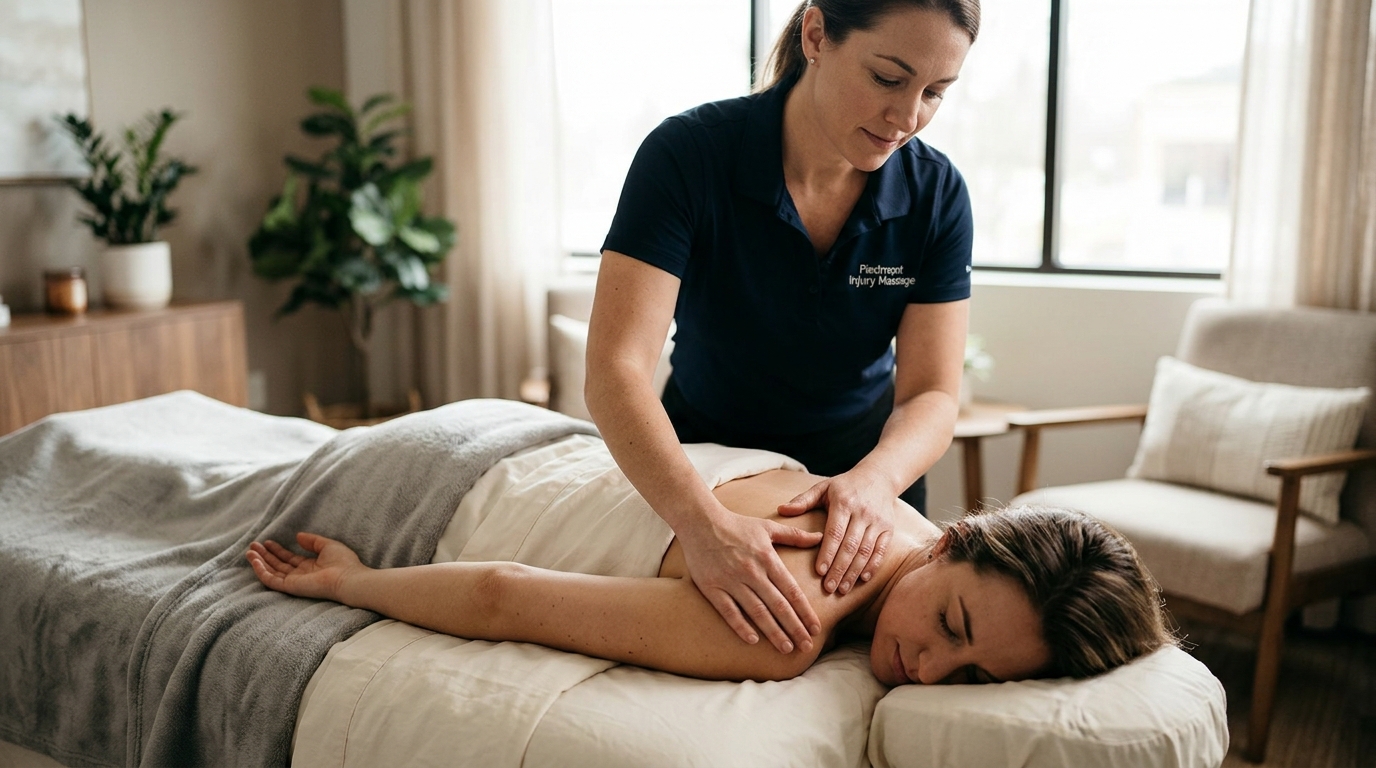
Injury rehabilitation massage is a structured, hands-on therapeutic process designed to accelerate healing, reduce pain, and restore functional mobility after soft tissue damage. At Piedmont Injury Massage, our certified therapists guide you through a personalized sequence of techniques tailored to your specific injury stage. This approach ensures that your body receives the precise support it needs to recover safely and effectively. according to How Massage Supports
Initial Assessment and Goal Setting
The rehabilitation process begins with a comprehensive evaluation of your injury history and current physical limitations. Our therapists assess the severity of your condition, identifying specific areas of tension, inflammation, or restricted movement. This diagnostic phase is critical for establishing a realistic treatment plan that aligns with your recovery goals.
During this stage, we discuss your medical background and any ongoing symptoms you are experiencing. By understanding the root cause of your pain, we can determine the most appropriate massage techniques to employ. This personalized approach ensures that every session is targeted and effective, rather than a generic relaxation treatment.
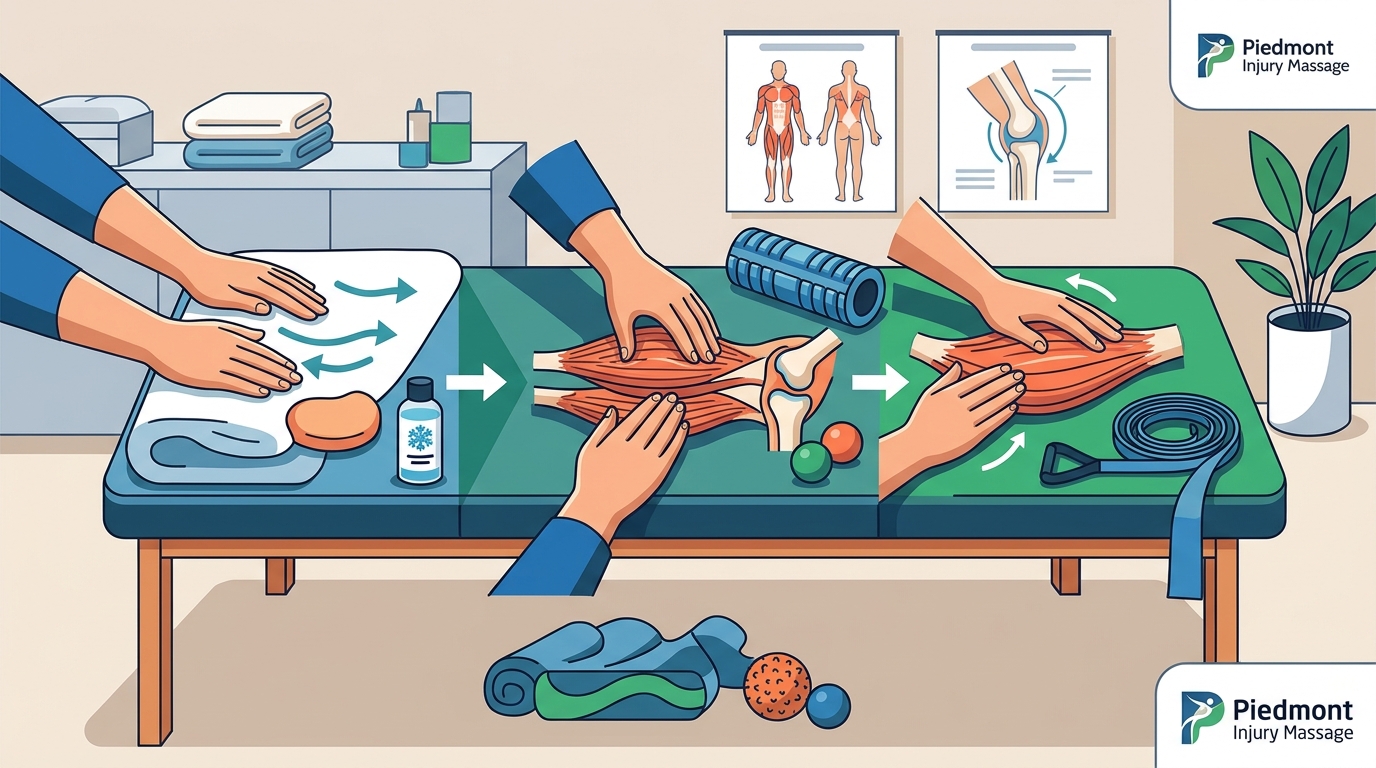
Acute Phase Care and Inflammation Management
In the early stages of injury, the primary focus is on managing inflammation and preventing further tissue damage. We utilize gentle, specialized techniques such as lymphatic drainage massage to encourage the proper flow of lymph fluid. This helps reduce swelling and supports the body's natural detoxification processes.
Research indicates that proper management of the acute phase is essential for long-term recovery. By addressing fluid buildup and promoting circulation, we help create an optimal environment for tissue repair. This phase requires a delicate touch and a deep understanding of the body's physiological responses to trauma. according to How Massage Supports
Soft Tissue Mobilization and Pain Relief
As the acute phase subsides, the focus shifts to addressing muscle tension and scar tissue formation. We employ deep tissue and myofascial release techniques to break down adhesions and restore tissue elasticity. This process helps alleviate chronic pain and improves your range of motion significantly.
According to Cortiva University, massage therapy complements physical therapy by alleviating pain and enhancing flexibility. By targeting specific trigger points, we help your muscles relax and function more efficiently. This step is crucial for regaining strength and stability in the injured area.
Functional Restoration and Movement Reintegration
The final stage of the rehabilitation process involves reintegrating movement and restoring functional capacity. We work closely with you to develop a routine that gradually increases your activity level. This may include sports massage techniques designed to prepare your body for physical exertion and prevent re-injury.
Our goal is to help you return to your daily activities with confidence and without pain. By combining therapeutic massage with functional exercises, we ensure that your recovery is both comprehensive and sustainable. This phase empowers you to take an active role in your own healing journey.
Ongoing Support and Preventative Care
Recovery does not end when your pain subsides. We provide ongoing support to maintain your progress and prevent future injuries. Regular maintenance sessions help keep your tissues healthy and your body resilient. This proactive approach is essential for long-term wellness and peak performance.
At Piedmont Injury Massage, we are committed to your holistic health. Our full-time, hands-on service ensures that you receive consistent, high-quality care throughout your recovery. By focusing on both treatment and prevention, we help you achieve a balanced and active lifestyle.
Key Takeaways
- Injury rehabilitation massage is a structured process that begins with a detailed assessment of your injury and goals.
- Acute phase care focuses on managing inflammation and swelling through gentle techniques like lymphatic drainage.
- Soft tissue mobilization helps break down scar tissue and restore muscle elasticity for better movement.
- Functional restoration involves gradually reintegrating movement to prevent re-injury and build strength.
- Ongoing support and preventative care are essential for maintaining long-term health and resilience.
- Personalized treatment plans ensure that each session is tailored to your specific needs and recovery stage.
Frequently Asked Questions
How long does the injury rehabilitation massage process take?
The duration of the process varies depending on the severity of your injury and your individual healing rate. Most clients see significant improvement within a few weeks of consistent treatment.
Is massage therapy safe for all types of injuries?
Massage therapy is generally safe, but it must be tailored to the specific stage of your injury. Our certified therapists assess your condition to ensure that the techniques used are appropriate and safe for you.
Can massage replace physical therapy?
Massage therapy complements physical therapy but does not replace it. While massage helps with pain and flexibility, physical therapy focuses on strength and stabilization. Both work together for optimal recovery.
What should I expect during my first session?
Your first session will involve a detailed assessment of your injury and a discussion of your goals. We will then begin with gentle techniques to address your immediate concerns and establish a baseline for your treatment plan.
How often should I schedule rehabilitation massage sessions?
The frequency of sessions depends on your recovery progress. Initially, you may need more frequent appointments, which can be spaced out as you improve. Your therapist will guide you on the best schedule for your needs.