

Trigger point therapy is a targeted manual technique that releases hyperirritable spots in skeletal muscle to reduce pain and restore function. By applying precise pressure to these knots, therapists interrupt the pain cycle and improve local blood flow. This approach is distinct from general relaxation massage because it focuses on specific anatomical structures rather than broad tissue manipulation.
The Physiology of Muscle Knots
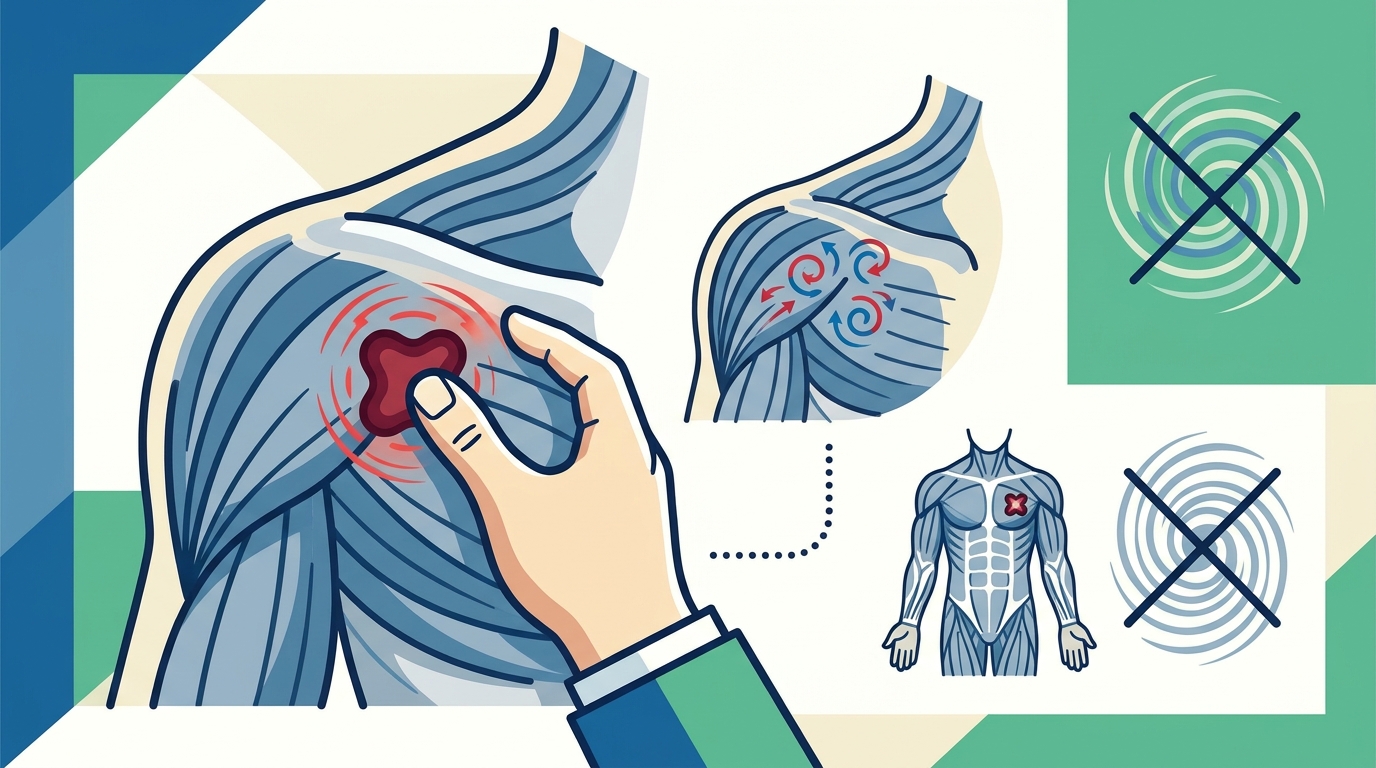
Trigger points are localized areas of sustained contraction within a muscle fiber. These knots form when muscles are overused, injured, or subjected to repetitive strain. The contraction causes a local energy crisis in the muscle cell, leading to the release of inflammatory substances. These substances sensitize nearby nerve endings, creating the characteristic aching or burning sensation.
When a trigger point is active, it can refer pain to other parts of the body. This phenomenon explains why a knot in the shoulder might cause pain in the neck or head. Understanding this referral pattern is crucial for effective treatment. Therapists must identify the source of the pain, not just the location where it is felt.
Trigger point is a hyperirritable spot in a taut band of skeletal muscle that is painful to touch and can refer pain to other areas. This definition highlights the dual nature of the condition: local tenderness and distant pain. Addressing both aspects is the primary goal of the therapy.
Mechanisms of Pain Relief
The primary mechanism of trigger point therapy is the release of the contracted sarcomeres. When a therapist applies sustained pressure, the muscle fibers are stretched and the knot is mechanically disrupted. This action restores normal blood flow to the area. Increased circulation brings oxygen and nutrients to the muscle cells while removing metabolic waste products.
Another key mechanism is the gate control theory of pain. By stimulating the skin and muscle tissue with pressure, the therapy activates large-diameter nerve fibers. These fibers send signals to the spinal cord that inhibit the transmission of pain signals from smaller fibers. This neurological effect provides immediate relief even before the physical knot is fully released.
The therapy also promotes the release of endorphins, the body's natural painkillers. These chemicals help to reduce the perception of pain and promote a sense of well-being. The combination of mechanical, circulatory, and neurological effects makes trigger point therapy a comprehensive approach to pain management.
Therapeutic Techniques and Application
Therapists use various techniques to address trigger points, including ischemic compression and dry needling. Ischemic compression involves applying firm pressure to the trigger point until the pain subsides. This technique is often used in manual massage therapy. The pressure is maintained for a specific duration to ensure the knot is fully released.
Dry needling is another effective method that uses fine needles to penetrate the trigger point. This technique can be particularly useful for deep-seated knots that are difficult to reach with manual pressure. The needle stimulates the local tissue and triggers a twitch response, which indicates the release of the contraction. Both methods aim to achieve the same physiological result: the restoration of normal muscle function.
Ischemic compression is a manual technique that applies sustained pressure to a trigger point to reduce local blood flow and force the release of the contracted muscle fibers. This method is a cornerstone of many therapeutic massage practices. It requires skill and precision to be effective and safe.
Integration with Holistic Care
Trigger point therapy is most effective when integrated into a broader wellness plan. At therapeutic massage sessions, therapists often combine trigger point release with other techniques. This holistic approach addresses the underlying causes of muscle tension, such as poor posture or stress. By treating the whole person, not just the symptom, the therapy provides more lasting relief.
For athletes, sports massage incorporates trigger point therapy to enhance recovery and prevent injury. The targeted release of knots helps to restore range of motion and reduce muscle fatigue. This is particularly important for individuals who engage in repetitive movements or high-intensity activities. The therapy supports the body's natural healing processes and helps maintain peak performance.
Expectant mothers may also benefit from this approach. Prenatal massage can include gentle trigger point release to alleviate common pregnancy discomforts. The therapy helps to reduce back pain and improve circulation, contributing to a more comfortable pregnancy. Safety is a priority, and therapists use modified techniques to ensure the well-being of both mother and baby.
Long-Term Benefits and Maintenance
The benefits of trigger point therapy extend beyond immediate pain relief. Regular sessions can help to prevent the recurrence of knots and improve overall muscle health. By addressing the root causes of tension, the therapy promotes a state of balance and well-being. This proactive approach is essential for individuals with chronic pain or those at risk of developing musculoskeletal issues.
Self-care practices play a vital role in maintaining the results of therapy. Stretching, hydration, and stress management are all important components of a comprehensive plan. Therapists often provide clients with specific exercises and lifestyle recommendations to support their recovery. This empowerment helps individuals take an active role in their own health and reduces their reliance on passive treatments.
Myofascial release is a technique that applies sustained pressure to the connective tissue surrounding the muscle to restore normal movement and reduce pain. This method is often used in conjunction with trigger point therapy to address the broader fascial system. The combination of these techniques provides a thorough and effective treatment for complex pain conditions.
Key Takeaways
- Trigger points are hyperirritable spots in muscle tissue that cause local and referred pain.
- Therapy works by mechanically releasing contracted fibers and restoring blood flow.
- Neurological effects, such as the gate control theory, contribute to immediate pain relief.
- Techniques like ischemic compression and dry needling are common methods of treatment.
- Integrating therapy with holistic care, such as sports or prenatal massage, enhances outcomes.
- Long-term maintenance through self-care and regular sessions prevents recurrence.
- Professional assessment is crucial for identifying the source of pain and selecting the right technique.
Frequently Asked Questions
Is trigger point therapy painful?
The therapy can be uncomfortable, especially when the trigger point is first engaged. However, the discomfort should subside as the knot is released. Therapists adjust the pressure to ensure the treatment is within the client's tolerance.
How many sessions are needed for relief?
The number of sessions varies depending on the severity of the condition and the individual's response to treatment. Some clients experience significant relief after one session, while others may require a series of treatments for lasting results.
Can trigger point therapy treat chronic pain?
Yes, it can be an effective component of a chronic pain management plan. By addressing the underlying muscle dysfunction, the therapy helps to reduce the frequency and intensity of pain episodes.
What is the difference between trigger point therapy and general massage?
General massage focuses on relaxation and broad tissue manipulation. Trigger point therapy is a targeted technique that addresses specific knots in the muscle. While general massage can be beneficial, it may not be sufficient for resolving deep-seated trigger points.
Is dry needling safe?
Dry needling is generally safe when performed by a trained and certified professional. The needles used are sterile and single-use. Therapists follow strict hygiene protocols to minimize the risk of infection.
How does lymphatic drainage relate to trigger point therapy?
Lymphatic drainage massage can complement trigger point therapy by reducing inflammation and improving fluid balance. This combination helps to create a more favorable environment for healing and recovery.
Conclusion
Trigger point therapy is a powerful tool for relieving muscle pain and tension. By understanding the physiological mechanisms behind the treatment, clients can make informed decisions about their care. At Piedmont Injury Massage, our certified therapists use advanced techniques to provide personalized and effective treatment. We are committed to helping you achieve lasting relief and improved well-being. To schedule a consultation and begin your path to recovery, please contact us today.