
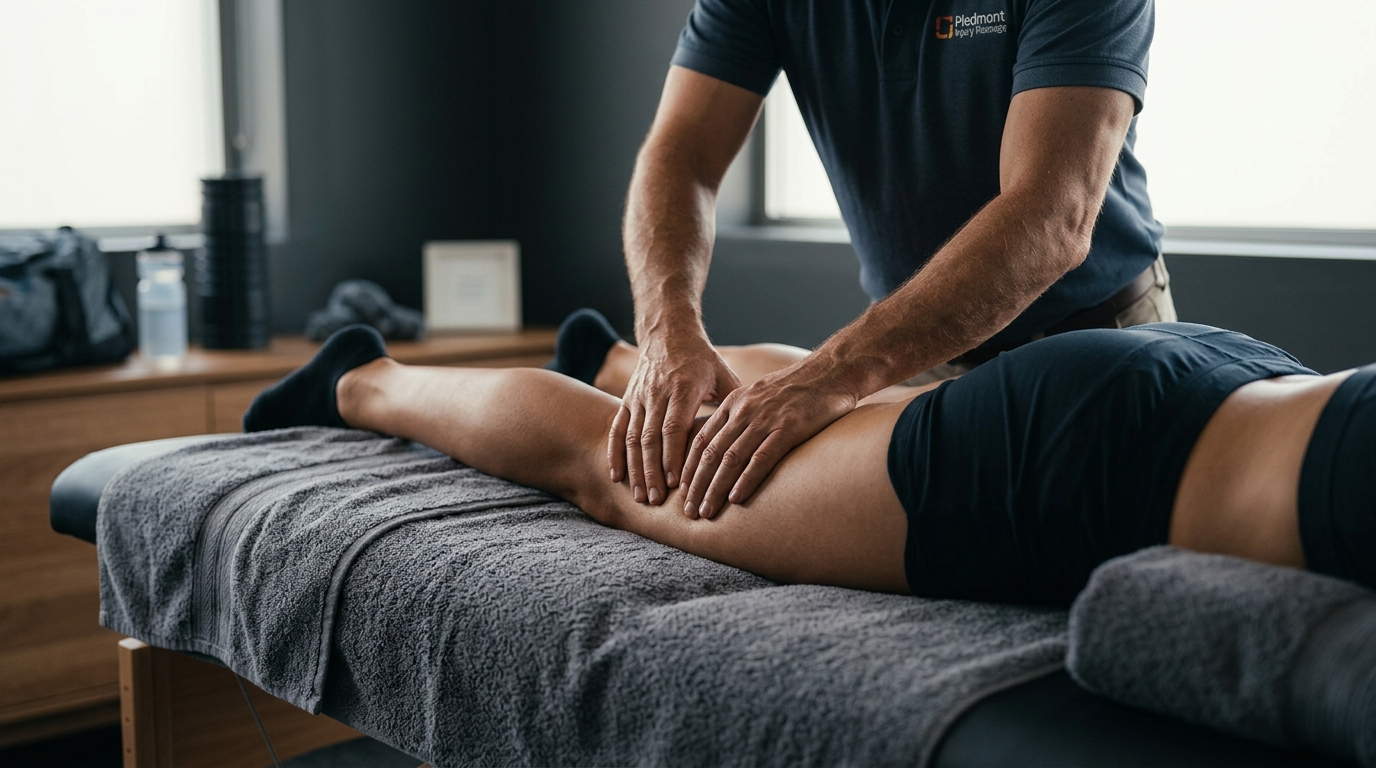
Athletes and active individuals face immense physical stress daily. According to recent health data, over 30 million people in the United States engage in regular sports activities, yet soft tissue injuries remain a leading cause of downtime. Effective recovery is not just about rest; it is about active intervention. Sports massage therapy provides the targeted mechanical support needed to accelerate healing, reduce inflammation, and restore range of motion. This guide explores the specific techniques used by professionals to optimize athletic performance and recovery.
Understanding Sports Massage vs. Relaxation Massage
Sports massage is fundamentally different from a standard relaxation massage. While relaxation massage aims to induce a general state of calm, sports massage is a diagnostic and therapeutic tool. It focuses on specific muscle groups, injury sites, and functional movement patterns. The goal is to manipulate soft tissue to enhance athletic performance and prevent injury. This approach is highly specialized, requiring therapists to understand anatomy, physiology, and the specific demands of various sports.
At Piedmont Injury Massage, we specialize in pain management and muscle recovery. Our therapists are trained to identify the root cause of discomfort, whether it stems from a recent acute injury or chronic overuse. This distinction is critical for athletes who need results, not just relaxation. The therapy is tailored to the individual's training schedule, competition dates, and physical condition.
Key Sports Massage Techniques Explained
Several distinct techniques are employed in sports massage, each serving a unique purpose in the recovery process. Understanding these methods helps athletes communicate their needs effectively to their therapists.
Deep Tissue Massage
Deep tissue massage targets the deeper layers of muscle and connective tissue. It is particularly useful for chronic aches and pains, such as stiff necks, lower back pain, and tight legs. The therapist uses slow, firm pressure to release tension in the deeper muscle layers. This technique is effective for breaking up adhesions, which are bands of painful, rigid tissue that can form in muscles, tendons, and ligaments due to injury or inflammation.
Trigger Point Therapy
Trigger point therapy involves applying pressure to specific points within a muscle that are hyperirritable and painful. These points, often called "knots," can refer pain to other parts of the body. By isolating and releasing these points, therapists can alleviate referred pain and restore normal muscle function. This technique is essential for athletes dealing with localized pain that limits their range of motion.

Myofascial Release
Myofascial release focuses on the fascia, the connective tissue that surrounds and supports muscles. When fascia becomes tight or restricted, it can cause pain and limit movement. This technique uses gentle, sustained pressure to stretch and release the fascia. It is particularly beneficial for improving flexibility and reducing pain associated with fascial restrictions.
Dynamic Stretching Integration
Some sports massage sessions incorporate dynamic stretching techniques. These movements mimic the actions of the sport itself, helping to prepare the muscles for activity or aid in recovery by improving blood flow. This integration ensures that the benefits of the massage translate directly to athletic performance.
Comparison of Recovery Modalities
Choosing the right recovery modality depends on the athlete's specific needs, the timing of the session relative to training, and the type of injury or fatigue present. The table below compares common sports massage techniques.
| Technique | Primary Goal | Best For | Pressure Level |
|---|---|---|---|
| Deep Tissue Massage | Release chronic tension | Chronic pain, stiff muscles | High |
| Trigger Point Therapy | Alleviate referred pain | Localized knots, acute pain | Moderate to High |
| Myofascial Release | Improve flexibility | Fascial restrictions, mobility issues | Low to Moderate |
| Sports Massage | Enhance performance | Pre- or post-event recovery | Variable |
Physiological Benefits for Athletes
The benefits of sports massage extend beyond immediate pain relief. Regular sessions can lead to significant improvements in overall athletic health and performance.
Enhanced Circulation and Oxygen Delivery
Massage therapy increases blood flow to the muscles, delivering more oxygen and nutrients to the tissues. This enhanced circulation helps to flush out metabolic waste products, such as lactic acid, which can accumulate during intense exercise. Improved blood flow also accelerates the healing process by bringing immune cells to injured areas.
Improved Range of Motion
By reducing muscle tension and breaking down adhesions, sports massage can significantly improve flexibility and range of motion. This is crucial for athletes who need to maintain peak physical condition. Greater flexibility reduces the risk of injury and allows for more efficient movement patterns.
Reduced Muscle Tension and Fatigue
Chronic muscle tension can lead to fatigue and decreased performance. Sports massage helps to relax the muscles, reducing tension and preventing the buildup of fatigue. This allows athletes to train harder and recover faster, maintaining a consistent level of performance.
Injury Prevention
Regular sports massage can help identify and address potential problem areas before they become serious injuries. By maintaining muscle balance and flexibility, athletes can reduce their risk of strains, sprains, and other common sports injuries.
When to Book a Session
The timing of sports massage sessions is as important as the technique used. Athletes should consider their training schedule and competition dates when planning their therapy.
Pre-Event Massage
Pre-event massage is designed to prepare the body for physical activity. It is typically lighter and faster, focusing on warming up the muscles and increasing blood flow. This type of massage helps to prevent injury and enhance performance by ensuring the muscles are ready for exertion.
Post-Event Massage
Post-event massage focuses on recovery. It is usually deeper and slower, aiming to reduce muscle soreness and speed up the healing process. This type of massage is crucial for athletes who compete frequently, as it helps to manage the cumulative stress of training and competition.
Maintenance Massage
Maintenance massage is a regular part of an athlete's training regimen. It helps to keep the body in peak condition, addressing minor issues before they become major problems. Regular maintenance can improve overall performance and reduce the risk of injury.
Key Takeaways
- Sports massage is a therapeutic tool focused on injury recovery and performance enhancement, distinct from relaxation massage.
- Techniques include deep tissue, trigger point therapy, myofascial release, and dynamic stretching integration.
- Deep tissue massage targets chronic tension, while trigger point therapy alleviates referred pain from specific knots.
- Myofascial release improves flexibility by addressing restrictions in the connective tissue surrounding muscles.
- Enhanced circulation from massage helps flush out metabolic waste and deliver nutrients to injured tissues.
- Timing is critical: pre-event massage prepares the body, while post-event massage aids recovery.
- Regular maintenance sessions are essential for injury prevention and sustained athletic performance.
Frequently Asked Questions
What is the difference between sports massage and therapeutic massage?
Sports massage is specifically designed for athletes and active individuals, focusing on performance and injury prevention. Therapeutic massage is a broader term that includes sports massage but also covers general pain management and rehabilitation for non-athletes.
How often should an athlete get a sports massage?
The frequency depends on the athlete's training intensity and competition schedule. Generally, once a month is recommended for maintenance, while more frequent sessions may be needed during intense training periods or after competitions.
Is sports massage painful?
Sports massage can be intense, especially when working on deep tissue or trigger points. However, it should not be excruciating. Communication with your therapist is key to ensuring the pressure is effective but tolerable.
Can sports massage help with chronic pain?
Yes, sports massage is highly effective for managing chronic pain. It helps to reduce muscle tension, improve circulation, and break down adhesions that contribute to long-term discomfort.
What should I wear to a sports massage session?
Wear comfortable, loose-fitting clothing that allows for easy movement. You may be asked to disrobe to the level of your comfort, and draping is used to ensure privacy and warmth.
Are there any contraindications for sports massage?
Certain conditions, such as acute injuries, fever, or infectious diseases, may contraindicate massage. Always inform your therapist of any medical conditions or medications you are taking before your session.
How does sports massage improve flexibility?
Sports massage improves flexibility by reducing muscle tension and breaking down adhesions in the fascia. This allows muscles to move more freely, increasing the range of motion.
Can I book a consultation for personalized care?
Yes, Piedmont Injury Massage offers personalized consultations to assess your specific needs and create a tailored recovery plan. Contact us to schedule your appointment.
Start Your Recovery Journey
Recovery is an essential part of athletic performance. Whether you are dealing with a specific injury or looking to enhance your training, sports massage can provide the support you need. At Piedmont Injury Massage, we specialize in pain management and muscle recovery, offering customized therapy for your specific needs. Our certified therapists in Braselton and Hoschton, GA, are ready to help you get back to doing what you love. Book an appointment today to begin your path to wellness.