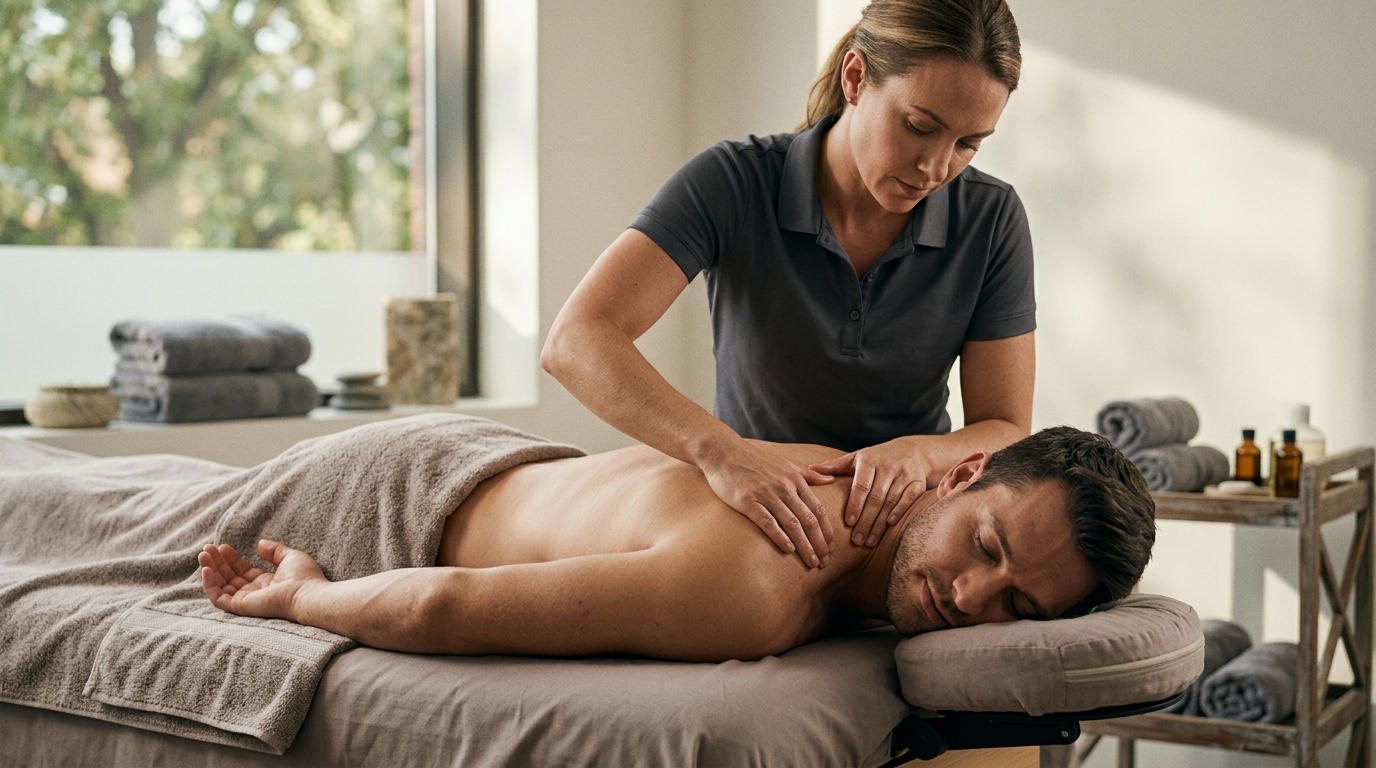
Choosing the right massage therapy modality can feel overwhelming when you are dealing with pain, limited mobility, or a nagging injury. Not every technique works for every condition, and picking the wrong approach can slow your recovery. This guide breaks down the most common massage modalities used in injury rehabilitation, explains which conditions each one targets, and gives you a clear framework for making the right choice. Whether you are recovering from surgery, managing chronic tightness, or bouncing back from an athletic strain, understanding your options is the first step toward feeling normal again.
What Is a Massage Modality?
A massage modality is a specific technique or system of manual therapy designed to achieve a particular therapeutic outcome. Each modality uses different pressure levels, stroke patterns, and target tissues. The goal is to match the technique to your body's current needs rather than applying a one-size-fits-all approach.
At Piedmont Injury Massage in Hoschton, GA, every session starts with understanding your pain level and goals. As one client noted, the therapist listens first, then builds a personalized plan. This consultation-first model ensures you receive the modality that fits your injury stage and recovery timeline.
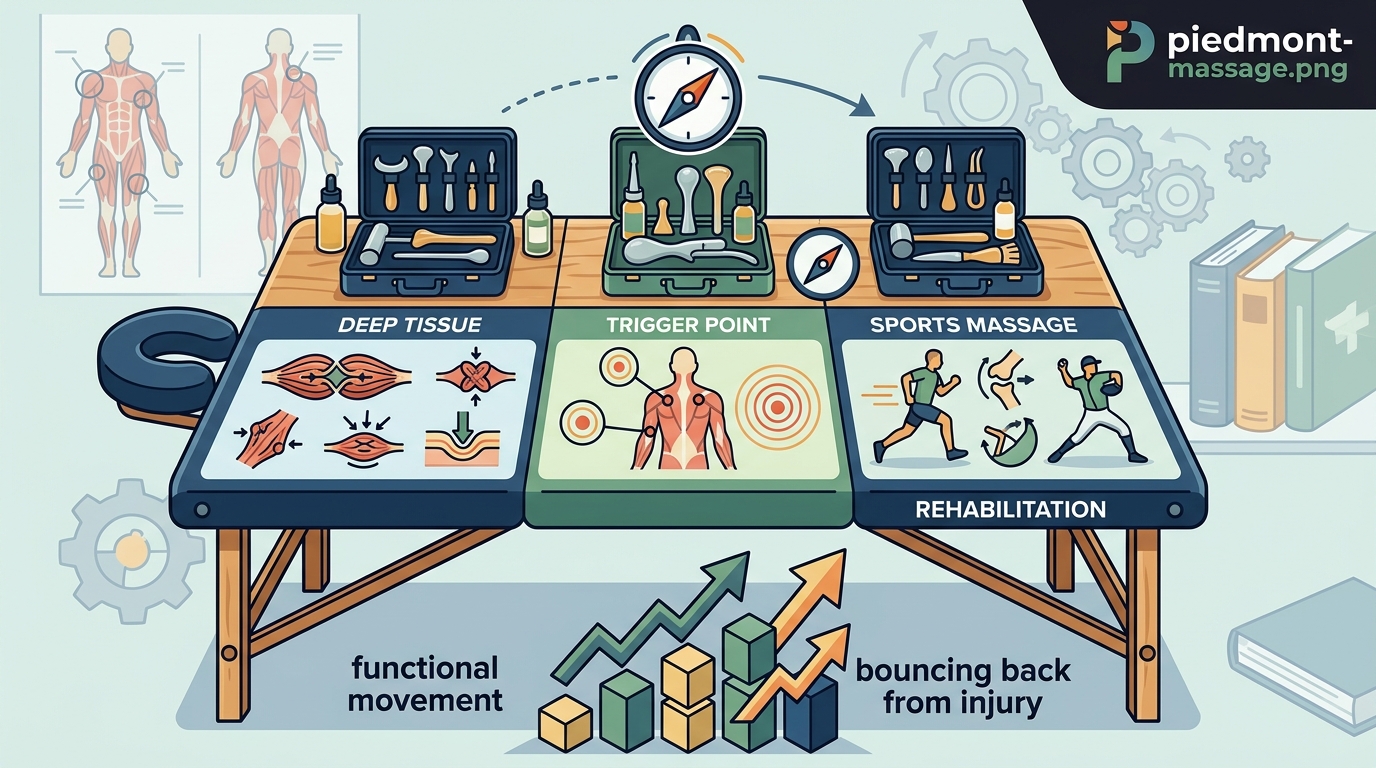
Deep Tissue Massage for Chronic Pain and Scar Tissue
Deep tissue massage is a technique that uses slow, firm pressure to reach deeper layers of muscle and connective tissue. It is particularly effective for breaking down adhesions and scar tissue that restrict movement after an injury. A 2026 meta-analysis of 47 studies found that deep tissue massage showed greater pain reduction than Swedish, sports-specific, or myofascial techniques (p = 0.008).
Best For
- Chronic back and neck pain
- Post-surgical scar tissue
- Long-standing muscle tightness from desk work or repetitive strain
If you deal with persistent tightness that disrupts sleep or daily activities, deep tissue therapy at Piedmont Injury Massage targets those deeper muscle layers for long-term relief.
Sports Massage for Athletic Recovery
Sports massage is a modality that targets specific muscle groups used during athletic activity, focusing on injury prevention, flexibility, and performance recovery. Research from the American Massage Therapy Association confirms that massage therapy may provide faster recovery of running biomechanics than cold-water immersion or passive rest.
When to Choose Sports Massage
Athletes and active individuals dealing with sprains, strains, or delayed-onset muscle soreness (DOMS) benefit most. A systematic review found that bi-weekly sessions of 40 to 60 minutes produced the most favorable outcomes for sports-related muscle injuries.
Piedmont Injury Massage specializes in sports massage for soft tissue injuries, including sprains, strains, and tears, helping you return to activity faster.
Therapeutic Massage for General Pain Relief
Therapeutic massage is a broad category of manual therapy that combines multiple techniques to address pain, stiffness, and stress. It can ease muscle soreness by promoting blood flow and increasing lymphatic drainage while also reducing stress hormones like cortisol.
Piedmont Injury Massage's therapeutic massage services also include hot stone massage for deep relaxation and trigger point therapy for localized pain. Your therapist determines the right combination based on your consultation, not a preset menu.
Lymphatic Drainage for Swelling and Inflammation
Lymphatic drainage massage is a gentle technique that moves excess fluid through the lymphatic system, reducing swelling and supporting immune function. It is ideal for post-surgical recovery, injury-related edema, or conditions that cause chronic inflammation.
This modality works especially well when paired with other recovery strategies. Piedmont Injury Massage's lymphatic drainage therapists have the specialized training needed to help your lymphatic system perform as it should.
Prenatal Massage for Pregnancy Discomfort
Pregnancy creates unique physical demands that require a specialized approach. Prenatal massage helps relieve pregnancy-related discomforts such as swelling, back pain, and leg cramps. It is a safe, tailored service performed by therapists specifically trained to work with expectant mothers.
At Piedmont Injury Massage, prenatal massage reduces swelling, improves circulation, and helps mothers-to-be stay comfortable throughout their pregnancy journey.
Modality Comparison Table
| Modality | Pressure Level | Best For | Ideal Frequency |
|---|---|---|---|
| Deep Tissue | Firm to heavy | Chronic pain, scar tissue, adhesions | Weekly to bi-weekly |
| Sports Massage | Moderate to firm | Athletic recovery, DOMS, sprains/strains | Bi-weekly (40-60 min sessions) |
| Therapeutic Massage | Light to moderate | General pain, stress, muscle stiffness | Weekly to monthly |
| Lymphatic Drainage | Very light | Swelling, post-surgery, inflammation | 2-3 times per week initially |
| Prenatal Massage | Light to moderate | Pregnancy discomfort, swelling, back pain | Bi-weekly to monthly |
| FSM (Frequency Specific Microcurrent) | Non-manual (microcurrent) | Nerve pain, fibromyalgia, tissue repair | Per therapist recommendation |
How to Choose the Right Modality for Your Injury
Step 1: Identify Your Primary Symptom
Start by pinpointing your main concern. Is it sharp pain from a recent injury? Chronic stiffness from years of desk work? Post-surgical swelling? Your primary symptom narrows the field immediately.
Step 2: Consider Your Injury Stage
Acute injuries (first 72 hours) typically need gentler approaches like lymphatic drainage. Subacute and chronic conditions respond better to deep tissue or sports massage. Post-surgical patients should wait 2 to 4 weeks before starting massage, depending on physician guidance.
Step 3: Consult a Certified Therapist
The most reliable way to match a modality to your needs is through a professional consultation. At Piedmont Injury Massage, Hart is a CIDESCO-certified esthetician and massage therapist who evaluates your pain level, movement restrictions, and history before recommending a personalized treatment plan. You pay for the time, not the type of massage, so your session adapts to what your body actually needs.
Key Takeaways
- Deep tissue massage is the most effective modality for chronic pain and scar tissue reduction, supported by meta-analytic evidence.
- Sports massage targets athletic recovery and is most effective in bi-weekly sessions of 40 to 60 minutes.
- Lymphatic drainage is the go-to choice for post-surgical swelling and inflammation control.
- Prenatal massage is a safe, specialized option for managing pregnancy-related discomfort.
- Your injury stage (acute, subacute, or chronic) should guide which modality you choose.
- A professional consultation is the best way to match technique to your specific condition.
- At Piedmont Injury Massage, you pay for time, not modality type, so sessions adapt to your evolving needs.
Frequently Asked Questions
What massage modality is best for lower back pain?
Deep tissue massage and trigger point therapy are especially effective for chronic lower back pain. These techniques address the deeper muscle layers and specific tension points that contribute to long-term discomfort. A therapist can combine modalities in a single session based on your response.
How soon after surgery can I get a massage?
Most patients can begin post-surgery massage 2 to 4 weeks after their procedure, depending on their doctor's guidance. Lymphatic drainage is typically introduced first to reduce swelling, followed by deeper techniques as healing progresses.
Is sports massage only for athletes?
No. Sports massage benefits anyone with an active lifestyle, including weekend hikers, gym-goers, and people with physically demanding jobs. It targets muscle groups stressed by repetitive movement, not just competitive sports.
Can massage therapy replace physical therapy?
Massage therapy complements physical therapy but does not replace it. Physical therapy focuses on strengthening and stabilizing injured areas, while massage reduces pain, improves flexibility, and supports muscular recovery between PT sessions.
How often should I schedule massage sessions for injury recovery?
For active injuries, weekly or bi-weekly sessions are recommended initially. As your condition improves, frequency can be reduced to monthly maintenance visits. Your therapist will adjust the schedule based on your progress.
What is Frequency Specific Microcurrent (FSM)?
FSM is a non-invasive therapy that uses low-level electrical currents to target specific tissues causing pain. Studies have shown a 70 to 80 percent success rate. Piedmont Injury Massage offers FSM services as part of their comprehensive approach to pain management.
Do I need a doctor's referral for massage therapy?
In most cases, no referral is needed. However, if you are recovering from surgery or have a complex medical condition, coordinating with your physician ensures the safest and most effective treatment plan.
What should I expect during my first visit?
Your first visit begins with a conversation about your pain, history, and goals. The therapist then selects and adjusts techniques throughout the session based on how your body responds, ensuring a fully personalized experience.
Book Your Personalized Consultation Today
Stop guessing which massage technique is right for your injury. Call Piedmont Injury Massage at 770-884-6566 or visit us at 4162 Hwy 53, Ste. B, Hoschton, GA 30548 to schedule a consultation. Hart will assess your condition and build a recovery plan tailored to your body's specific needs. Contact us today to start your path back to moving better, sleeping better, and feeling normal again.