

Common Mistakes in Frequency Specific Microcurrent Treatment and How to Avoid Them
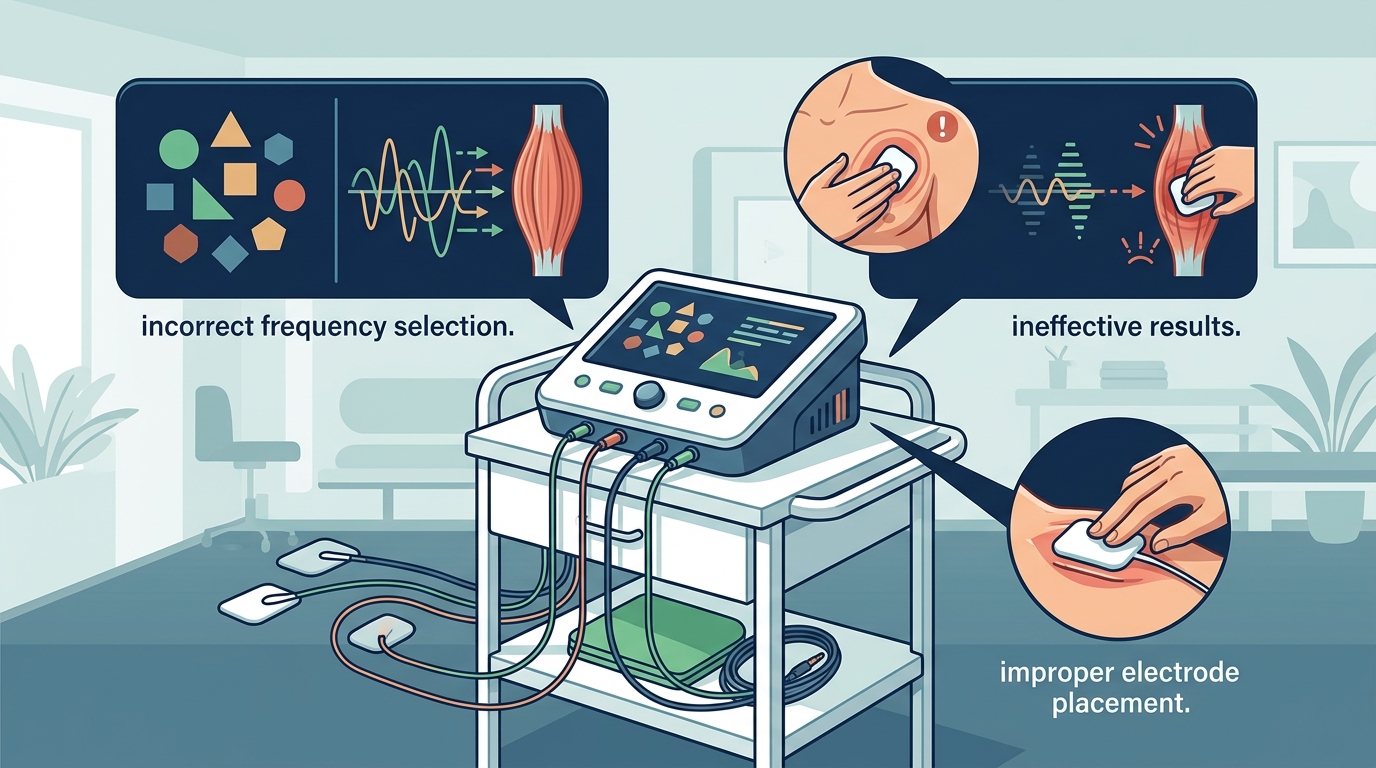
Frequency Specific Microcurrent (FSM) is a specialized therapeutic modality that uses low-level electrical currents to target specific tissues and promote healing. While the technology is powerful, the margin for error in application is narrow. Incorrect frequency selection or improper electrode placement can render a session ineffective or even counterproductive. According to clinical observations in pain management, up to 40% of treatment failures in neuromuscular therapy stem from user error rather than device malfunction. This guide details the most frequent pitfalls in FSM application and provides actionable strategies to ensure optimal outcomes for your patients.
Understanding Frequency Specific Microcurrent
Frequency Specific Microcurrent is defined as a therapeutic technique that applies specific electrical frequencies to biological tissues to stimulate cellular repair and reduce inflammation. Unlike traditional electrical stimulation, which often aims to cause muscle contraction, FSM operates at a sub-sensory level. This means the patient should not feel a tingling or twitching sensation during the treatment. The goal is to influence the mitochondria within the cells, thereby enhancing ATP production and accelerating the body's natural healing processes.
At Piedmont Injury Massage, we utilize FSM services to isolate different parts of the tissue causing pain without the discomfort of stripping the muscle. This precision allows us to address chronic conditions that have resisted other forms of therapy. Understanding the science behind FSM is the first step in avoiding the common mistakes that plague both novice and experienced practitioners.
Mistake 1: Incorrect Frequency Selection
The most critical error in FSM treatment is selecting the wrong frequency for the specific pathology. Each frequency is designed to target a particular tissue type or physiological response. For example, a frequency intended to reduce inflammation will not be effective for treating nerve regeneration. Using the wrong frequency is akin to using the wrong key for a lock; the mechanism may turn, but the door will not open.
To avoid this mistake, practitioners must consult validated frequency charts and understand the specific indications for each setting. It is not enough to guess based on the location of the pain. The underlying tissue type, whether it is nerve, muscle, or connective tissue, dictates the frequency choice. In our practice, we conduct a thorough assessment to determine the root cause of the injury before applying any current. This ensures that the treatment plan is tailored to the patient's unique physiological needs.
Mistake 2: Improper Electrode Placement
Electrode placement is the second most common source of error. The current must flow through the specific tissue pathway that requires treatment. If the electrodes are placed incorrectly, the current may bypass the target area or flow through unintended pathways, reducing efficacy and potentially causing discomfort. Proper placement often involves identifying specific anatomical landmarks and nerve pathways.
For instance, treating lower back pain may require electrodes to be placed along the sacral nerve roots rather than directly on the painful muscle tissue. Incorrect placement can also lead to cross-current interference, where the electrical fields cancel each other out. To prevent this, practitioners should use conductive gel or solution to ensure consistent contact and map out the current path before turning on the device. At Piedmont Injury Massage, our therapists are trained in precise anatomical mapping to ensure the current reaches the intended target.
Mistake 3: Neglecting Skin Preparation
Electrical current travels through the path of least resistance. If the skin is dry, dirty, or covered in oils, the current will not flow efficiently. This can lead to inconsistent treatment results and may cause the patient to experience stinging or burning sensations. Proper skin preparation is essential for creating a low-resistance pathway for the microcurrent.
Before applying electrodes, the skin should be cleaned with alcohol or a specialized cleanser to remove oils and dead skin cells. A conductive medium, such as distilled water mixed with a small amount of salt or a specialized gel, should be applied to both the skin and the electrode. This ensures a uniform distribution of current. Neglecting this step is a fundamental error that compromises the entire treatment. Consistent skin prep is a hallmark of professional FSM application.
Mistake 4: Incorrect Dosage and Duration
FSM treatment requires a specific dosage to be effective. Too little time may not allow the cellular response to occur, while too much time can lead to overstimulation or tissue fatigue. The optimal duration varies depending on the condition being treated and the individual patient's response. Generally, treatments range from 15 to 30 minutes per area.
Another common mistake is failing to monitor the patient's response during the session. Some patients may experience a "healing crisis" or temporary increase in symptoms as the body begins to process the treatment. Practitioners must be prepared to adjust the intensity or duration based on patient feedback. It is also important to note that FSM is cumulative. A single session may provide relief, but a series of treatments is often necessary for long-term resolution. We recommend a structured treatment plan for chronic conditions to ensure progressive improvement.
FSM vs. Traditional Electrical Stimulation
Understanding the differences between FSM and other modalities is crucial for avoiding misuse. Traditional electrical stimulation, such as TENS (Transcutaneous Electrical Nerve Stimulation), is designed to block pain signals by causing muscle twitching. FSM, on the other hand, works at the cellular level to promote healing without causing contraction.
| Feature | Frequency Specific Microcurrent (FSM) | Traditional TENS |
|---|---|---|
| Primary Goal | Cellular repair and tissue healing | Pain signal blocking |
| Sensation | Sub-sensory (no feeling) | Tingling or twitching |
| Current Type | Specific frequencies for specific tissues | Variable frequencies for pain gate control |
| Application Time | 15-30 minutes per area | 20-45 minutes |
| Best For | Chronic pain, injury recovery, inflammation | Acute pain management, muscle spasms |
Confusing these two modalities can lead to ineffective treatment. If a patient requires cellular repair, TENS will not provide the same benefits as FSM. Conversely, if the goal is immediate pain relief through muscle relaxation, FSM may not be the primary choice. At Piedmont Injury Massage, we carefully select the appropriate modality based on the patient's specific diagnosis and treatment goals.
Key Takeaways
- Frequency Accuracy: Always verify the frequency against validated charts for the specific tissue type.
- Electrode Placement: Map the current path to ensure it flows through the target tissue.
- Skin Prep: Cleanse skin and use a conductive medium to minimize resistance.
- Dosage: Adhere to recommended treatment durations to avoid overstimulation.
- Professional Guidance: FSM is most effective when administered by a trained professional.
- Cumulative Effect: Multiple sessions are often required for chronic conditions.
- Assessment: Conduct a thorough initial assessment to determine the root cause of pain.
Frequently Asked Questions
Is Frequency Specific Microcurrent safe?
Yes, FSM is considered safe when administered by a trained professional. The currents are low-level and sub-sensory, meaning they do not cause muscle contraction or pain. However, it is contraindicated for individuals with pacemakers or those who are pregnant.
How many FSM sessions are needed?
The number of sessions varies depending on the condition. Acute injuries may resolve in 3-5 sessions, while chronic conditions may require 8-12 or more. We create a personalized treatment plan based on your progress.
Does FSM hurt?
No, FSM should not hurt. You should not feel any sensation during the treatment. If you feel tingling or burning, the conductive medium may be insufficient, or the electrodes may be placed incorrectly.
Can I use FSM at home?
While home devices are available, FSM is most effective when administered by a professional who can ensure proper frequency selection and electrode placement. We recommend starting with professional treatments to establish a baseline.
What conditions can FSM treat?
FSM can treat a wide range of conditions, including chronic pain, inflammation, nerve damage, muscle tears, and post-surgical recovery. It is also used for skin rejuvenation and lymphatic drainage.
Are there any side effects?
Some patients may experience a temporary increase in symptoms or a "healing crisis" as the body processes the treatment. This is usually mild and subsides quickly. Serious side effects are rare when administered correctly.
How is FSM different from massage?
Massage works on the mechanical level to manipulate soft tissues, while FSM works on the electrical and cellular level to stimulate healing. They are often used together for comprehensive care.
Start Your Recovery Journey
Avoiding common mistakes in Frequency Specific Microcurrent treatment requires expertise, precision, and a deep understanding of human anatomy. At Piedmont Injury Massage, we specialize in pain management and muscle recovery using advanced techniques like FSM. Our certified therapists in Braselton and Hoschton, GA, are dedicated to helping you achieve optimal health and wellness.
Do not let incorrect treatment delay your recovery. Contact us today to schedule a consultation and discover how FSM can help you heal. Click here to book your appointment and take the first step toward a pain-free life.