

Frequency Specific Microcurrent (FSM) represents a significant advancement in non-invasive pain management and tissue repair. According to clinical observations in therapeutic settings, patients often report measurable reductions in localized pain and accelerated recovery times after just a few sessions. This modality bridges the gap between traditional massage therapy and electrotherapy, offering a precise tool for addressing chronic conditions that standard soft tissue work cannot fully resolve.
What is Frequency Specific Microcurrent?
Frequency Specific Microcurrent is a specialized therapeutic technique that uses low-level electrical currents to target specific tissues and pathogens. Unlike high-voltage electrical stimulation, which can cause muscle contraction, FSM operates at a micro-ampere level that is generally imperceptible to the patient. The core principle relies on the concept that different biological tissues and pathological conditions respond to specific electrical frequencies.
At Piedmont Injury Massage, we integrate FSM into our broader pain management protocol. This allows us to address the root cause of injury rather than just the symptoms. The therapy is particularly effective for soft tissue injuries, including sprains, strains, and tears, which are common in our Braselton and Hoschton clientele.
The Science Behind the Frequencies
The efficacy of FSM is rooted in cellular bioenergetics. Every cell in the human body generates a small electrical charge. When an injury or infection occurs, this charge is disrupted, leading to inflammation, pain, and stalled healing. FSM aims to restore this electrical balance.
Therapists use a handheld probe to deliver a specific frequency to the affected area. The theory is that certain frequencies resonate with specific tissues or pathogens, much like a tuning fork. For example, a frequency targeting the liver might help detoxify the organ, while a frequency targeting the knee might reduce inflammation in the joint. This targeted approach ensures that the energy is used efficiently by the body.
Research into bioelectricity suggests that cells can be "reprogrammed" to return to a healthy state when exposed to the correct electrical parameters. This is not merely theoretical; it is a practical application of biophysics in a clinical setting.
Effectiveness for Pain Relief
One of the most compelling aspects of FSM is its ability to provide immediate pain relief for many patients. Traditional pain management often relies on masking symptoms with medication or temporary physical manipulation. FSM, however, works at the cellular level to reduce the inflammatory response that causes pain.
Studies on microcurrent therapy indicate that it can increase ATP (adenosine triphosphate) production in cells. ATP is the primary energy currency of the cell. When ATP levels are boosted, cells can repair themselves faster and function more efficiently. This leads to a reduction in pain signals sent to the brain.
For chronic conditions, such as fibromyalgia or long-term joint pain, FSM offers a sustainable alternative to pharmaceutical interventions. Patients often describe the sensation as a gentle tingling or warmth, followed by a significant release of tension in the treated area. This effectiveness is why we include FSM in our specialized service offerings alongside therapeutic and sports massage.
The Healing Process & Application
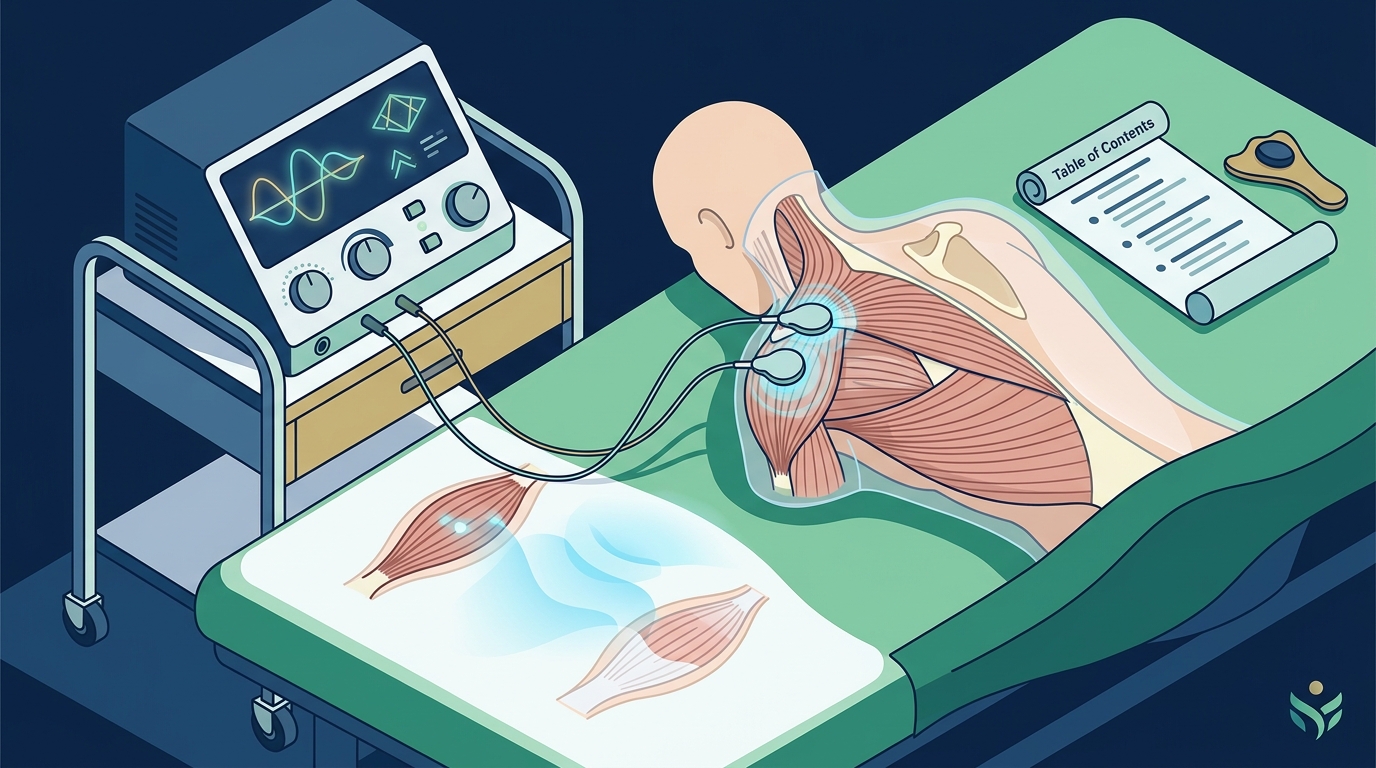
Understanding the process of FSM helps patients feel more comfortable and engaged in their recovery. The treatment is non-invasive and typically lasts between 20 to 45 minutes, depending on the number of areas being treated.
Step 1: Assessment and Protocol Selection
The session begins with a thorough assessment of your injury or condition. Based on your specific needs, the therapist selects the appropriate frequencies. This is not a one-size-fits-all approach. For instance, a frequency for acute inflammation differs from one used for chronic scar tissue.
Step 2: Application of Conductive Medium
To ensure the current flows smoothly, a conductive gel or lotion is applied to the skin. This step is crucial for comfort and efficacy. The medium helps bridge the gap between the probe and the skin, allowing the microcurrent to penetrate effectively without causing irritation.
Step 3: Targeted Frequency Delivery
The therapist holds a probe against the skin over the affected area. You may feel a slight tingling sensation, but it should never be painful. The therapist will hold the probe in place for several minutes at each frequency point. This allows the body to absorb the energy and begin the healing response.
Step 4: Integration with Other Therapies
FSM is rarely used in isolation. At Piedmont Injury Massage, we often combine FSM with manual therapy techniques. After the electrical stimulation has reduced inflammation and activated cellular repair, manual massage helps to mobilize the tissue and integrate the changes. This combination accelerates the overall healing timeline.
FSM vs. Traditional Modalities
While traditional massage and physical therapy are effective, they have limitations. FSM offers a unique advantage by targeting specific pathological conditions that manual therapy cannot reach directly.
| Feature | Frequency Specific Microcurrent (FSM) | Traditional Massage | Physical Therapy |
|---|---|---|---|
| Primary Mechanism | Cellular bioelectricity and ATP production | Soft tissue manipulation and blood flow | Exercise and manual joint mobilization |
| Pain Relief Speed | Often immediate for acute issues | Gradual, requires multiple sessions | Variable, depends on exercise compliance |
| Target Specificity | High (specific frequencies for specific tissues) | Medium (broad muscle groups) | High (specific movements and joints) |
| Invasiveness | Non-invasive, needle-free | Non-invasive | Non-invasive |
| Best For | Chronic pain, inflammation, nerve issues | Stress relief, general tension, recovery | Mobility restoration, strength building |
FSM complements these other modalities by addressing the underlying electrical imbalance that often perpetuates pain. For more information on our comprehensive approach to pain management, you can explore our Massage Therapy services.
Key Takeaways
- Cellular Energy Boost: FSM increases ATP production, which is essential for cellular repair and energy.
- Targeted Relief: Specific frequencies are chosen to target specific tissues, pathogens, or inflammatory responses.
- Non-Invasive: The treatment uses low-level currents that are safe, gentle, and needle-free.
- Complementary Therapy: FSM works best when combined with manual therapy techniques like those offered at Piedmont Injury Massage.
- Chronic Condition Management: It is particularly effective for long-standing pain that has not responded to other treatments.
- Immediate Results: Many patients experience pain reduction during or immediately after the session.
- Professional Application: Proper frequency selection requires trained expertise to ensure efficacy and safety.
Frequently Asked Questions
Is Frequency Specific Microcurrent painful?
No, FSM is generally painless. Most patients describe the sensation as a mild tingling or warmth. If the current is too strong, the therapist will adjust it immediately to ensure comfort.
How many sessions are needed for pain relief?
The number of sessions varies based on the severity and duration of the condition. Acute injuries may respond in one or two sessions, while chronic conditions may require a series of treatments. We recommend consulting with our team at Piedmont Injury Massage for a personalized plan.
Can FSM treat infections?
Yes, certain frequencies are known to target specific pathogens, including bacteria and viruses. This is one of the unique capabilities of FSM that distinguishes it from other therapies.
Is FSM safe for everyone?
FSM is safe for most people. However, it is not recommended for individuals with pacemakers, pregnant women, or those with certain active cancers. Always disclose your medical history to your therapist before treatment.
How does FSM differ from TENS?
TENS (Transcutaneous Electrical Nerve Stimulation) uses higher voltages to block pain signals and cause muscle contraction. FSM uses micro-currents to stimulate cellular repair and ATP production without causing muscle contraction.
Can I combine FSM with other treatments?
Absolutely. FSM is often combined with therapeutic massage, sports massage, and lymphatic drainage to enhance overall results. You can view our full range of services at Braselton GA Massage Therapy.
Are there any side effects?
Side effects are rare but may include temporary soreness or detoxification symptoms like mild fatigue. These usually resolve quickly. Drinking plenty of water after treatment can help mitigate any detox symptoms.
Book Your FSM Consultation
If you are suffering from chronic pain, soft tissue injuries, or slow-healing wounds, Frequency Specific Microcurrent may be the solution you have been seeking. At Piedmont Injury Massage, we are dedicated to providing customized care that addresses the root cause of your discomfort.
Our team of skilled therapists in Braselton and Hoschton is trained in the latest techniques to ensure you receive the most effective treatment possible. We invite you to schedule a consultation to discuss your specific needs and see how FSM can fit into your recovery plan.
Click here to book your appointment and take the first step toward lasting pain relief and enhanced healing.