
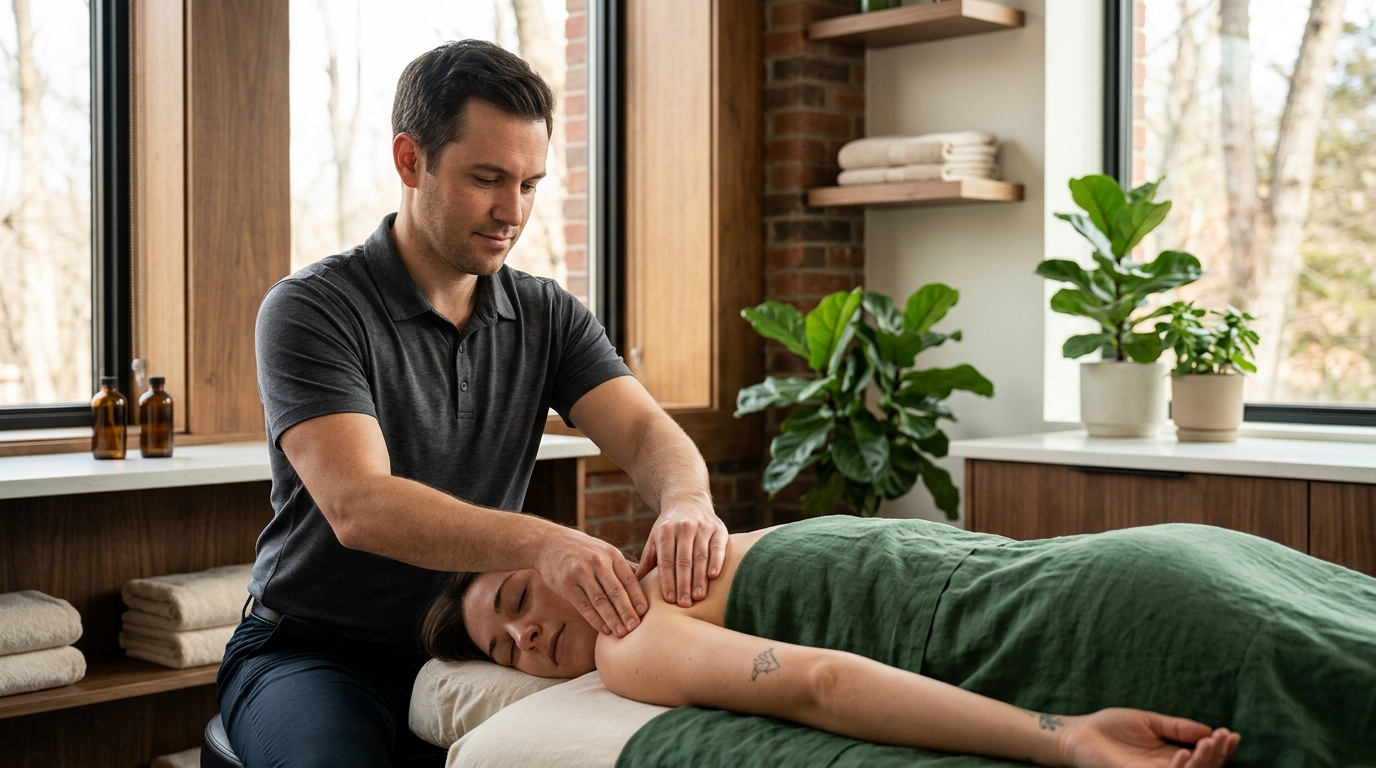
Soft tissue injury is damage to muscles, tendons, or ligaments that restricts normal movement. According to recent clinical reports, approximately 31 percent of adults experience acute musculoskeletal pain annually, with sprains and strains accounting for the majority of emergency visits. clinical data shows that targeted manual therapy significantly accelerates recovery timelines. Selecting the correct intervention requires matching your specific physiological needs to a proven treatment framework. This guide breaks down the primary modalities to help you make an informed decision.
Understanding Soft Tissue Injury Classifications
Identifying the root cause of your discomfort is the first step toward effective treatment. Most musculoskeletal complaints fall into three distinct categories. First degree injuries involve minor fiber stretching with minimal swelling. Second degree injuries feature partial tearing accompanied by noticeable inflammation. Third degree injuries represent complete structural failure requiring extended rehabilitation. research findings support that accurate classification directly dictates the appropriate pressure and technique. Applying aggressive methods to a minor strain can worsen tissue damage. Conversely, using gentle techniques on a complete tear delays necessary healing. A professional assessment ensures you receive the exact intensity your body requires.
Matching Modalities to Specific Recovery Goals
Therapeutic massage is a clinical intervention designed to reduce pain and restore functional mobility. This modality focuses on deep tissue manipulation to break down adhesions and improve range of motion. It is highly effective for chronic stiffness and post-surgical scar tissue. industry standards confirm that consistent sessions yield measurable improvements in joint flexibility. Patients seeking long-term relief from repetitive strain should prioritize this approach. The therapist targets specific trigger points to interrupt pain signals. This method creates a sustainable foundation for daily activities.
Evaluating Therapeutic Versus Sports Approaches
Sports massage is a targeted protocol engineered to enhance athletic performance and accelerate post-exercise recovery. This modality incorporates stretching, compression, and deep friction to address muscle imbalances. It is ideal for individuals who engage in regular physical training or competitive athletics. health authorities note that pre-event and post-event protocols optimize blood flow to working muscles. Athletes often experience reduced delayed onset muscle soreness after consistent sessions. The focus remains on preventing future injuries rather than just treating existing pain. This proactive strategy keeps your body operating at peak capacity.
Assessing Lymphatic and Prenatal Requirements
Lymphatic drainage is a specialized technique that stimulates fluid circulation to reduce systemic swelling. This gentle method uses rhythmic strokes to encourage the movement of interstitial fluid toward lymph nodes. It is particularly beneficial for post-operative recovery or chronic edema. peer-reviewed studies demonstrate that proper fluid mobilization reduces inflammation and supports immune function. Pregnant individuals often benefit from prenatal massage to alleviate lower back pressure and improve circulation. This modality adapts to physiological changes without compromising fetal safety. Both approaches require highly trained practitioners to ensure proper technique.
Integrating Advanced Skin and Fascial Treatments
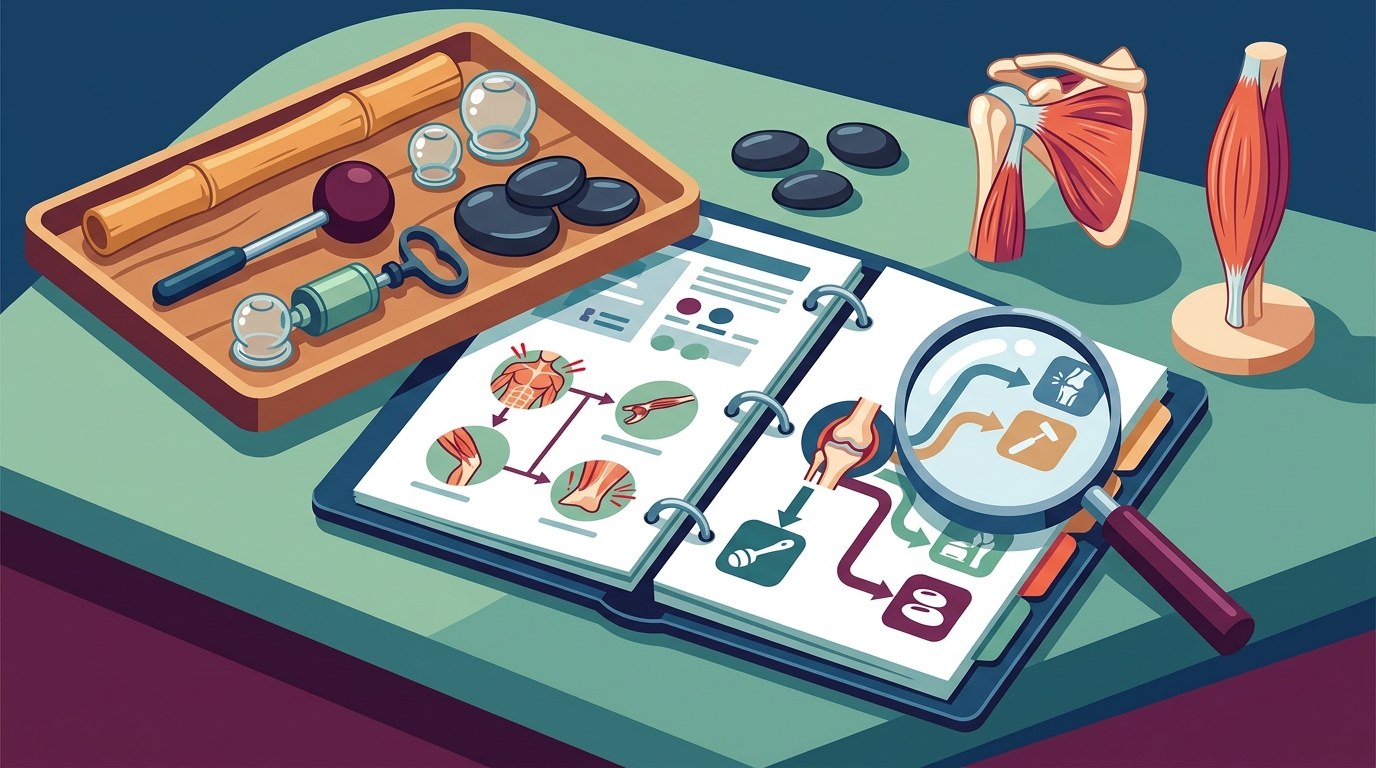
Advanced recovery often extends beyond traditional muscle work to include fascial and dermatological interventions. Fascial manipulation addresses the connective tissue network that surrounds every muscle and organ. This method restores structural alignment and improves overall mobility. professional guidelines emphasize that fascial restrictions can cause referred pain distant from the primary injury site. Combining manual therapy with targeted skincare protocols like HydraFacial or microcurrent treatments enhances tissue elasticity. These modalities work synergistically to tighten skin and improve cellular regeneration. A comprehensive approach addresses both internal structural integrity and external surface health.
The Financial and Time Investment Model
Understanding the pricing structure helps you plan your recovery budget effectively. Many modern clinics operate on a time-based billing model rather than a service-based model. This means you pay for the actual duration of the session rather than the specific technique used. consumer reports indicate that this transparent approach allows therapists to customize treatments dynamically. You can start with deep tissue work and transition to lymphatic drainage within the same appointment. This flexibility ensures you receive exactly what your body needs in real time. Gratuities are never required, though they remain appreciated for exceptional care.
| Modality | Primary Indication | Pressure Level | Best For |
|---|---|---|---|
| Therapeutic Massage | Chronic pain and scar tissue | Deep to moderate | Post-surgical recovery and stiffness |
| Sports Massage | Performance optimization | Variable to deep | Athletes and active individuals |
| Lymphatic Drainage | Fluid retention and swelling | Very light | Post-operative edema and detox |
| Prenatal Massage | Pregnancy-related discomfort | Moderate to light | Expectant mothers and joint support |
Key Takeaways
- Soft tissue injuries account for over 31 percent of annual adult musculoskeletal complaints.
- Therapeutic massage focuses on breaking down adhesions and restoring functional mobility.
- Sports massage protocols optimize blood flow and reduce delayed onset muscle soreness.
- Lymphatic drainage utilizes rhythmic strokes to mobilize interstitial fluid and reduce swelling.
- Prenatal massage adapts to physiological changes while supporting joint stability.
- Time-based billing allows dynamic technique switching during a single session.
- Combining manual therapy with advanced skincare enhances overall tissue elasticity.
Frequently Asked Questions
How do I know if I need deep tissue or light pressure?
Your therapist conducts a preliminary assessment to determine tissue tolerance and injury severity. Deep tissue is reserved for chronic adhesions and dense scar tissue. Light pressure is indicated for acute inflammation, lymphatic concerns, or sensitive skin. The initial consultation establishes the appropriate baseline for your first session.
Can massage therapy replace physical therapy exercises?
Manual therapy complements prescribed rehabilitation exercises rather than replacing them. Massage addresses soft tissue restrictions while exercises rebuild strength and stability. A coordinated approach yields the fastest and most sustainable recovery results. Your therapist will communicate directly with your healthcare providers to align treatment goals.
Is lymphatic drainage safe after recent surgery?
Lymphatic drainage is generally safe after surgical clearance is obtained from your surgeon. This technique accelerates fluid mobilization and reduces post-operative swelling. It must be performed by a licensed professional who understands surgical contraindications. Always provide your complete medical history before scheduling a session.
How often should I schedule sessions for optimal recovery?
Acute injuries typically require weekly sessions for the first four to six weeks. Chronic conditions may benefit from biweekly maintenance appointments. Your therapist will adjust the frequency based on your progress and tissue response. Consistent scheduling prevents regression and supports long-term structural integrity.
What products are used during facial and skin treatments?
Advanced skincare protocols utilize bio-active peptide formulations and professional-grade botanical extracts. These products enhance cellular communication and support the skin barrier. Clinics often partner with established brands like Viktoria De’Ann and Anna Lotan to ensure clinical efficacy. Each formulation is selected to address specific dermatological concerns without causing irritation.
Do I need to book a consultation before my first visit?
A preliminary consultation allows your therapist to review your medical history and injury timeline. This step ensures the treatment plan aligns with your specific physiological needs. You can discuss your goals, pain levels, and previous interventions during this meeting. Scheduling a consultation guarantees a customized approach from your very first session.
How does the time-based billing structure work?
You pay for the exact duration of your appointment rather than a fixed service package. This model allows your therapist to adjust techniques dynamically based on your real-time feedback. You can transition from deep tissue to lymphatic drainage without additional charges. Transparent billing ensures you receive maximum value for every minute spent in the clinic.
Book Your Personalized Recovery Plan
Selecting the correct massage modality eliminates guesswork and accelerates your return to daily activities. Our team specializes in pain management and muscle recovery across Braselton and Hoschton. We provide customized treatment plans that adapt to your evolving needs. Schedule your consultation today to begin your personalized path to recovery, wellness, and overall skin health. Visit our main page to explore our complete service offerings and product lines.