
Common Mistakes Athletes Make When Using Sports Massage for Recovery
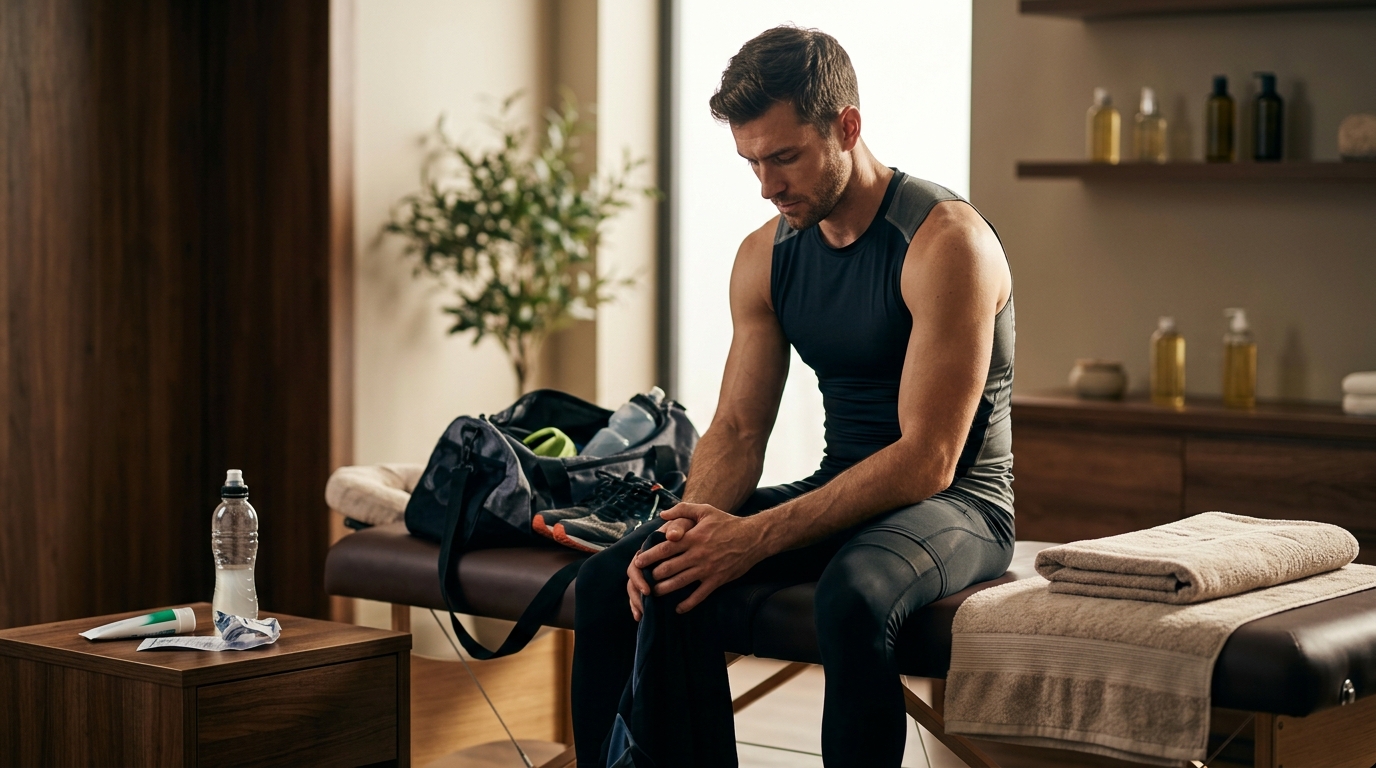
Sports massage is a cornerstone of modern athletic recovery, yet many competitors and weekend warriors undermine its effectiveness through poor timing and unrealistic expectations. According to the American College of Sports Medicine, targeted soft tissue manipulation can significantly reduce delayed onset muscle soreness and improve range of motion when applied correctly. However, the margin for error is wide. Athletes often treat massage as a cure-all rather than a strategic tool, leading to diminished returns or even increased injury risk. Understanding the nuances of recovery protocols is essential for maximizing performance gains. (Massage Therapy in Braselton)
Timing and Frequency Errors
One of the most critical errors athletes make is misjudging the timing of their sessions relative to their training cycles. Many believe that deep tissue work should always be intense and painful to be effective. This is a dangerous misconception. Sports massage is designed to isolate specific tissue issues without causing further trauma to the muscle fibers. If the pressure is too aggressive immediately after a high-intensity event, it can exacerbate micro-tears rather than heal them. (FSM Piedmont Injury Massage)
Another common mistake is irregular scheduling. Athletes often wait until they are in severe pain before seeking relief. By that point, the body has already entered a compensatory pattern, making recovery more difficult. Consistent maintenance is far more effective than reactive treatment. Regular sessions help maintain muscle elasticity and prevent the buildup of adhesions that lead to chronic pain. (Products Piedmont Injury Massage)
Communication and Pressure Missteps
Effective sports massage relies heavily on the dialogue between the athlete and the therapist. A frequent error is remaining silent during the session, hoping the therapist will intuitively know what is wrong. This lack of feedback prevents the therapist from adjusting their technique to target the specific area of concern. Athletes must communicate clearly about pressure levels and sensitive zones. (Hoschton Facial Spa amp)
Furthermore, athletes often misunderstand the role of pain in recovery. While some discomfort is normal, sharp or shooting pain is a warning sign. Ignoring these signals can lead to bruising or nerve irritation. A qualified therapist will use techniques that challenge the tissue without causing damage. This approach ensures that the massage contributes to long-term health rather than short-term relief with long-term consequences.
Neglecting Adjacent Recovery Modalities
Athletes frequently view sports massage as a standalone solution for performance issues. This is a fundamental error. Recovery is a holistic process that includes nutrition, sleep, and active rest. Massage therapy works best when integrated into a broader wellness plan. For instance, without adequate protein intake, the body cannot repair the tissues stimulated during a session. Similarly, poor sleep hygiene can negate the stress-reducing benefits of massage.
Additionally, athletes often neglect the importance of stretching after a massage. While the therapist may have loosened tight muscles, failing to stretch them out can lead to rapid re-tightening. Incorporating dynamic stretching into the post-massage routine helps maintain the increased range of motion achieved during the session. This synergy between passive therapy and active care is crucial for sustained athletic performance.
Hydration and Post-Massage Care
Hydration is often overlooked in the context of massage therapy. Many athletes do not drink enough water before or after their sessions. Proper hydration helps flush out metabolic waste products released during deep tissue work. Dehydration can lead to increased soreness and fatigue, counteracting the benefits of the massage. It is recommended to drink plenty of water in the 24 hours following a session to support the body's natural detoxification processes.
Another mistake is engaging in high-intensity activity immediately after a massage. The body is in a state of relaxation and repair, and sudden stress can disrupt this process. Instead, athletes should opt for light movement or complete rest to allow the body to integrate the benefits of the therapy. This period of calm is essential for maximizing the physiological improvements gained from the session.
Choosing the Wrong Provider
Not all massage therapists are equipped to handle the specific needs of athletes. A common error is choosing a provider based solely on price or location without verifying their expertise in sports medicine. Athletes require therapists who understand anatomy, biomechanics, and the demands of their specific sport. A general spa massage may not address the deep tissue issues that athletes face.
At Piedmont Injury Massage, we specialize in pain management and muscle recovery for athletes in Braselton and Hoschton, GA. Our certified professionals use advanced techniques like sports massage, lymphatic drainage, and FSM services to target specific tissue issues. We focus on personalized care that aligns with your training goals. Choosing a provider with specialized expertise ensures that your recovery efforts are both safe and effective.
Key Takeaways
- Timing Matters: Schedule regular sessions rather than waiting for pain to become severe.
- Communicate Clearly: Provide real-time feedback on pressure and sensitive areas during the session.
- Holistic Approach: Integrate massage with proper nutrition, sleep, and stretching routines.
- Hydrate: Drink ample water before and after sessions to aid in waste removal.
- Rest Afterward: Avoid high-intensity activity immediately after a massage to allow for repair.
- Specialized Care: Choose a provider with expertise in sports medicine and injury recovery.
- Consistency: Maintain a consistent schedule to prevent the buildup of adhesions and chronic pain.
Frequently Asked Questions
How often should an athlete receive sports massage?
The frequency depends on the intensity of training and individual recovery needs. Many athletes benefit from weekly sessions during peak training periods, while others may find bi-weekly maintenance sufficient. Consistency is key to preventing injury and optimizing performance.
Is sports massage painful?
While some discomfort is normal, especially when targeting trigger points, the pain should be manageable. Sharp or shooting pain is a sign to communicate with your therapist immediately. The goal is effective release without causing further tissue damage.
Can sports massage help with chronic pain?
Yes, sports massage can be highly effective for managing chronic pain by addressing underlying muscle imbalances and adhesions. It works best when combined with other treatments and lifestyle adjustments. Our team at Piedmont Injury Massage specializes in chronic pain management.
What is the difference between sports massage and deep tissue massage?
Sports massage is tailored to the needs of athletes, focusing on injury prevention and performance enhancement. Deep tissue massage targets deeper layers of muscle and connective tissue to release chronic tension. While there is overlap, sports massage often incorporates stretching and range-of-motion exercises.
Do I need to stretch after a massage?
Yes, stretching after a massage helps maintain the increased range of motion and prevents muscles from tightening up again. Light, dynamic stretching is recommended to complement the relaxation achieved during the session.
How does hydration affect massage results?
Proper hydration helps flush out metabolic waste products released during the massage. Dehydration can lead to increased soreness and fatigue, reducing the overall benefits of the therapy. Drinking water before and after your session is essential.
What are FSM services?
FSM (Functional Stretching Massage) services isolate different parts of the tissue to relieve pain without the discomfort of stripping the muscle. This technique is particularly effective for athletes looking to improve flexibility and reduce injury risk.
Start Your Recovery Journey
Avoiding these common mistakes can transform your recovery process and enhance your athletic performance. At Piedmont Injury Massage, we provide expert sports massage and pain management services tailored to your specific needs. Located in Braselton and Hoschton, GA, we are dedicated to helping you get back to doing what you love. Contact us today to schedule your personalized consultation and begin your path to optimal wellness.