
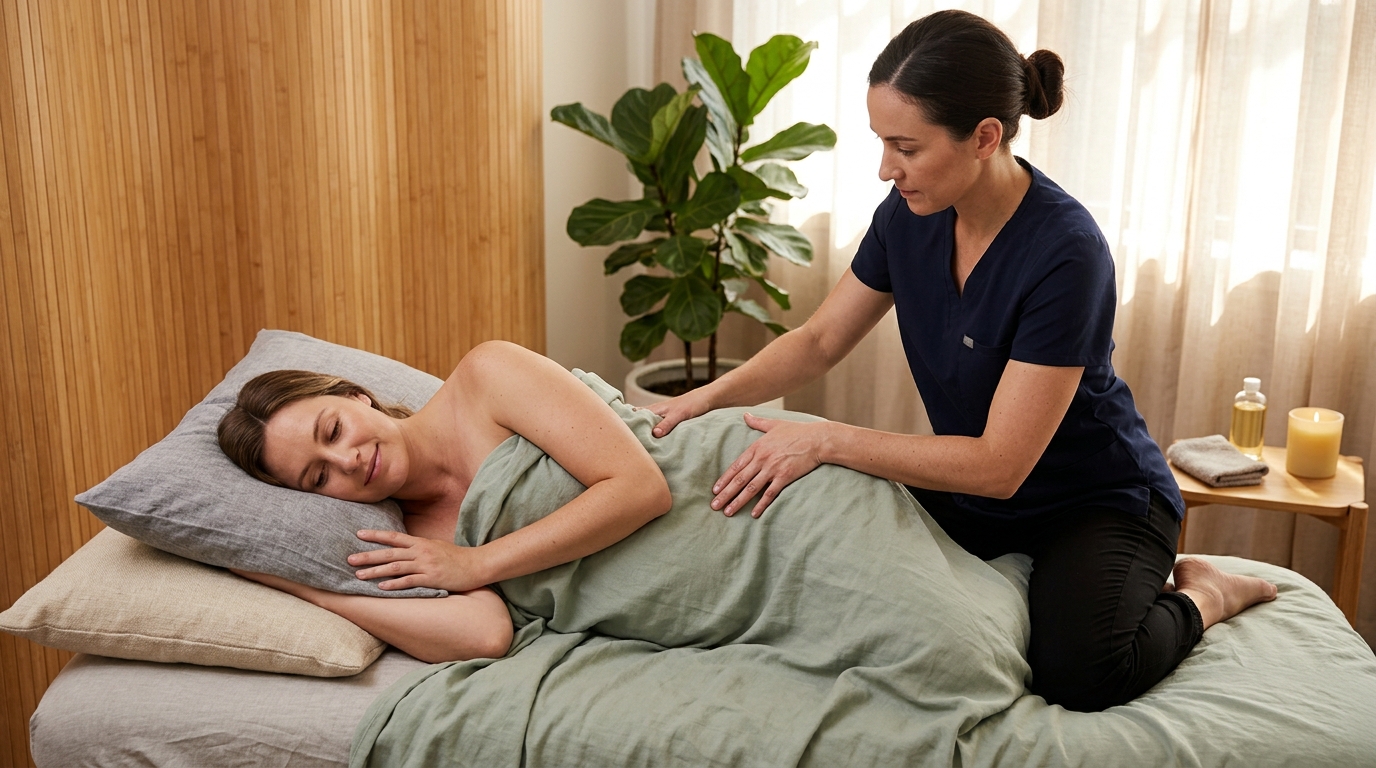
Step-by-Step Prenatal Massage Techniques for Safe Pregnancy Support
Pregnancy transforms the body in profound ways, often leading to significant physical discomfort that requires professional intervention. According to the American Pregnancy Association, approximately 50 to 70 percent of pregnant women experience lower back pain during their gestation period. This statistic highlights the critical need for specialized therapeutic care that addresses these unique physiological changes without compromising fetal safety. Prenatal massage is not merely a luxury; it is a medically supported modality that alleviates stress, reduces swelling, and improves sleep quality for expectant mothers. (Massage Therapy in Braselton)
Understanding Prenatal Massage Safety
Prenatal massage is a specialized form of soft tissue manipulation designed specifically for the pregnant client. It differs significantly from standard therapeutic massage due to the altered center of gravity, hormonal shifts, and vascular changes that occur during gestation. The primary goal is to support the body's natural adjustments while preventing strain on ligaments and joints. (Hoschton Facial Spa amp)
At Piedmont Injury Massage, we recognize that no two pregnancies are identical. Our certified therapists undergo rigorous training to identify safe zones and avoid pressure points that could induce uterine contractions. This approach ensures that every session contributes to holistic wellness rather than introducing risk. The benefits extend beyond physical relief, including enhanced immune function and improved mental health, which are vital during the postpartum preparation phase.
Positioning Protocols for Comfort
The foundation of any safe prenatal massage session lies in proper client positioning. Traditional supine (flat on the back) positioning is generally avoided after the first trimester due to the risk of supine hypotensive syndrome, where the weight of the uterus compresses the inferior vena cava. This compression can reduce blood flow to both the mother and the fetus.
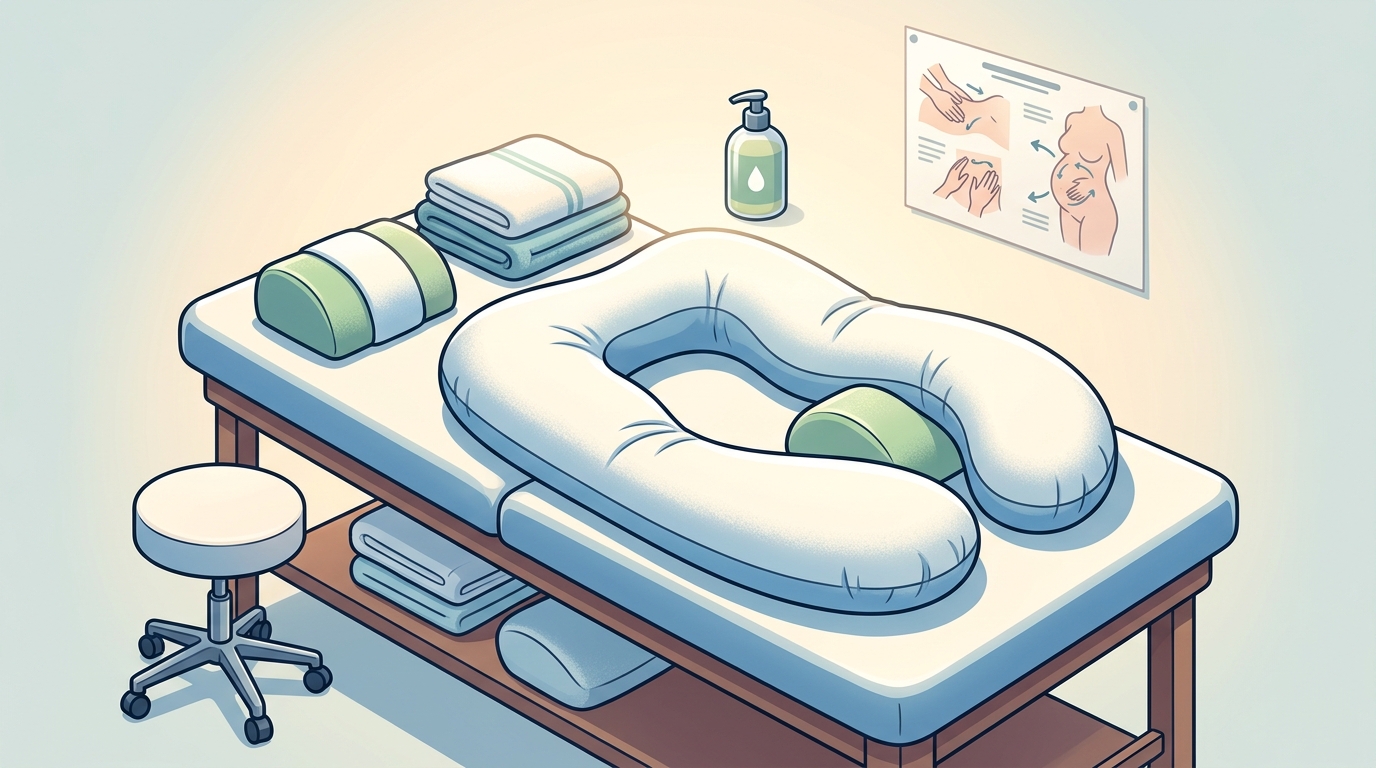
Instead, we utilize specialized prenatal tables with cutouts or extensive bolstering to allow for side-lying positioning. This position keeps the spine neutral and ensures unrestricted circulation. Proper alignment of the hips, knees, and ankles is critical to prevent joint instability, which is exacerbated by the hormone relaxin released during pregnancy.
Technique 1: Lumbar Support Release
As the belly grows, the lumbar spine curves inward, placing immense strain on the lower back muscles. This area is often the primary source of pain for expectant mothers. The following steps outline a safe approach to releasing this tension.
Step 1: Assessment and Bolstering
Begin by assessing the client's comfort level in the side-lying position. Place a firm bolster between the knees to align the hips. Another bolster should support the abdomen to prevent sagging. This setup ensures that the therapist can work on the lower back without the client needing to twist or strain.
Step 2: Effleurage Along the Paraspinals
Using long, gliding strokes (effleurage) along the paraspinal muscles, move from the sacrum up toward the thoracic spine. Avoid direct pressure on the spinous processes (the bony bumps of the spine). The goal is to encourage lymphatic drainage and reduce muscle guarding. Keep the pressure light to moderate, never digging deeply into the tissue.
Step 3: Static Compression on Glutes
Piriformis syndrome is common in pregnancy due to pelvic tilting. Apply gentle, static compression to the gluteal muscles, specifically targeting the piriformis. Hold for 30 to 60 seconds to allow the muscle to release. This technique helps alleviate sciatic nerve pressure, which often manifests as shooting pain down the leg.
Technique 2: Leg Drainage and Circulation
Edema, or swelling, is a frequent complaint during the second and third trimesters. Lymphatic drainage techniques are essential for managing this fluid retention safely.
Step 1: Proximal to Distal Flow
Always work from the center of the body outward. Begin with gentle, rhythmic pumping motions on the upper thighs. This helps open the lymphatic pathways before addressing the lower legs. Never apply deep tissue pressure directly to the veins, as this can be dangerous.
Step 2: Calf Muscle Kneading
Use light kneading (petrissage) on the calf muscles. The calves often hold significant tension from supporting the extra weight. Move the strokes upward toward the knee to encourage fluid return. If the client experiences any numbness or tingling, stop immediately and adjust the position.
Step 3: Foot and Ankle Release
Finish with gentle compression of the feet and ankles. This not only reduces swelling but also provides a grounding sensation for the client. Avoid deep thumb pressure on the arch of the foot, as certain reflexology points are traditionally avoided during pregnancy due to theoretical links to uterine stimulation.
Technique 3: Shoulder and Neck Relief
Postural changes during pregnancy often lead to rounded shoulders and forward head posture, causing tension headaches and neck pain. Addressing the upper body is crucial for overall comfort.
Step 1: Upper Trapezius Release
With the client still in a side-lying position, access the upper trapezius muscle. Use thumb pressure to gently release trigger points along the top of the shoulder. Move slowly and check in with the client frequently to ensure the pressure is comfortable.
Step 2: Suboccipital Release
At the base of the skull, the suboccipital muscles often become tight. Use fingertips to apply gentle, circular pressure to these small muscles. This technique is highly effective for relieving tension headaches. Avoid any deep pressure that could irritate the cervical spine.
Step 3: Chest and Pectoral Stretch
Gently stretch the pectoral muscles by holding the client's arm and slowly extending it backward. This opens up the chest and counteracts the forward hunching posture. Ensure the client's breathing remains steady and relaxed throughout this movement.
Critical Contraindications to Avoid
Safety is the paramount concern in prenatal massage. Certain conditions and areas must be avoided to protect the health of the mother and baby. Understanding these contraindications is essential for any practitioner.
- First Trimester Caution: Many therapists avoid treating clients in the first 12 weeks due to the higher risk of miscarriage. If treatment is provided, it must be extremely gentle and only with explicit medical clearance.
- Varicose Veins: Avoid direct pressure on varicose veins. Work around them gently to promote circulation without risking clot dislodgement.
- High-Risk Pregnancy: Clients with high blood pressure, preeclampsia, or a history of preterm labor require medical approval before any massage therapy is administered.
- Abdominal Pressure: Direct pressure on the abdomen is strictly prohibited. Any work near the waistline must be indirect and supportive.
Key Takeaways
- Prenatal massage is a specialized therapeutic modality that requires specific training and certification to ensure safety for both mother and fetus.
- Side-lying positioning with extensive bolstering is the gold standard for comfort and circulation after the first trimester.
- Lumbar support release techniques focus on the paraspinal muscles and glutes to alleviate lower back pain and sciatic nerve pressure.
- Lymphatic drainage in the legs must always move from proximal to distal to safely reduce edema without causing vascular damage.
- Upper body techniques target the trapezius and suboccipital muscles to correct postural imbalances caused by the growing belly.
- Contraindications include direct abdominal pressure, deep work on varicose veins, and treatment without medical clearance for high-risk pregnancies.
- Piedmont Injury Massage offers customized prenatal sessions in Braselton and Hoschton, GA, tailored to each client's unique gestational needs.
Frequently Asked Questions
Is prenatal massage safe during the first trimester?
While some therapists treat the first trimester, many prefer to wait until after 12 weeks due to the higher risk of miscarriage. It is essential to consult with your obstetrician before beginning any massage therapy during this period.
How often should I receive prenatal massage?
For most clients, monthly sessions are beneficial for maintenance. However, in the third trimester, bi-weekly or even weekly sessions may be recommended to manage increased swelling and discomfort.
Can massage help with pregnancy-related insomnia?
Yes, prenatal massage has been shown to reduce cortisol levels and increase serotonin and dopamine, which can significantly improve sleep quality and duration for expectant mothers.
What should I wear during a prenatal massage?
You will be draped with sheets and towels for privacy and warmth. You can wear whatever is comfortable, but loose-fitting clothing is often recommended for ease of movement before and after the session.
Are there specific acupressure points to avoid?
Yes, points such as SP6 (Sanyinjiao) on the inner ankle and LI4 (Hegu) on the hand are traditionally avoided as they are believed to stimulate uterine contractions. Our therapists are trained to navigate these areas safely.
Can I receive massage if I have gestational diabetes?
Generally, yes, but you must inform your therapist. Blood sugar fluctuations can occur during massage, so it is important to stay hydrated and communicate any signs of dizziness or nausea immediately.
What is the difference between prenatal and regular massage?
Prenatal massage uses specialized positioning and lighter pressure techniques to accommodate the physiological changes of pregnancy, whereas regular massage may use deeper pressure and different positioning that could be unsafe for a pregnant client.
Book Your Session
Experiencing the physical demands of pregnancy does not mean you have to endure them alone. Professional prenatal massage can provide the relief and support you need to navigate this transformative time with grace. At Piedmont Injury Massage, we are dedicated to providing safe, effective, and compassionate care for expectant mothers in Braselton and Hoschton, GA.
Our certified therapists are trained in the latest safety protocols and techniques to ensure your comfort and well-being. Whether you are dealing with back pain, swelling, or simply seeking relaxation, we have a customized plan for you. Do not wait until discomfort becomes unmanageable. Contact us today to schedule your consultation and begin your journey toward a healthier pregnancy.
Click here to book your prenatal massage appointment or call us at 770-884-6566 to learn more about our services.