According to the American Massage Therapy Association, approximately 23 million Americans receive massage therapy annually for pain management and injury rehabilitation. This statistic highlights a critical gap in consumer knowledge. Many individuals assume all massage services are identical, leading to suboptimal recovery outcomes. Understanding the mechanical differences between therapeutic modalities is essential for effective pain management and muscle recovery. This guide provides a structured framework to match your specific injury profile with the correct clinical intervention.
Step 1: Assess Your Injury Type and Acuity
Before selecting a therapist or service, you must accurately categorize your physical complaint. The human body responds differently to mechanical stress depending on the tissue layer involved. Soft tissue injury is a broad term encompassing damage to muscles, tendons, and ligaments. This includes sprains, strains, and tears. These injuries often result from everyday life activities or acute trauma.
Recovery timelines vary significantly based on the depth of the injury. Superficial muscle knots require different pressure and technique than deep fascial adhesions. Piedmont Injury Massage specializes in pain management and muscle recovery for these exact conditions. Their approach focuses on full-time hands-on service, ensuring that the therapist addresses the root cause rather than just the symptom. You pay for the time, not the type of massage, which allows for a more thorough diagnostic process during the session.
Understanding the distinction between acute and chronic pain is vital. Acute pain is recent and often sharp, indicating active inflammation. Chronic pain is persistent, often dull, and suggests long-term muscular compensation. Your chosen modality must align with the current phase of your healing process. Applying deep pressure to an acute injury can exacerbate inflammation, while light touch on chronic adhesions may yield no results.
Step 2: Deep Tissue and Therapeutic Massage
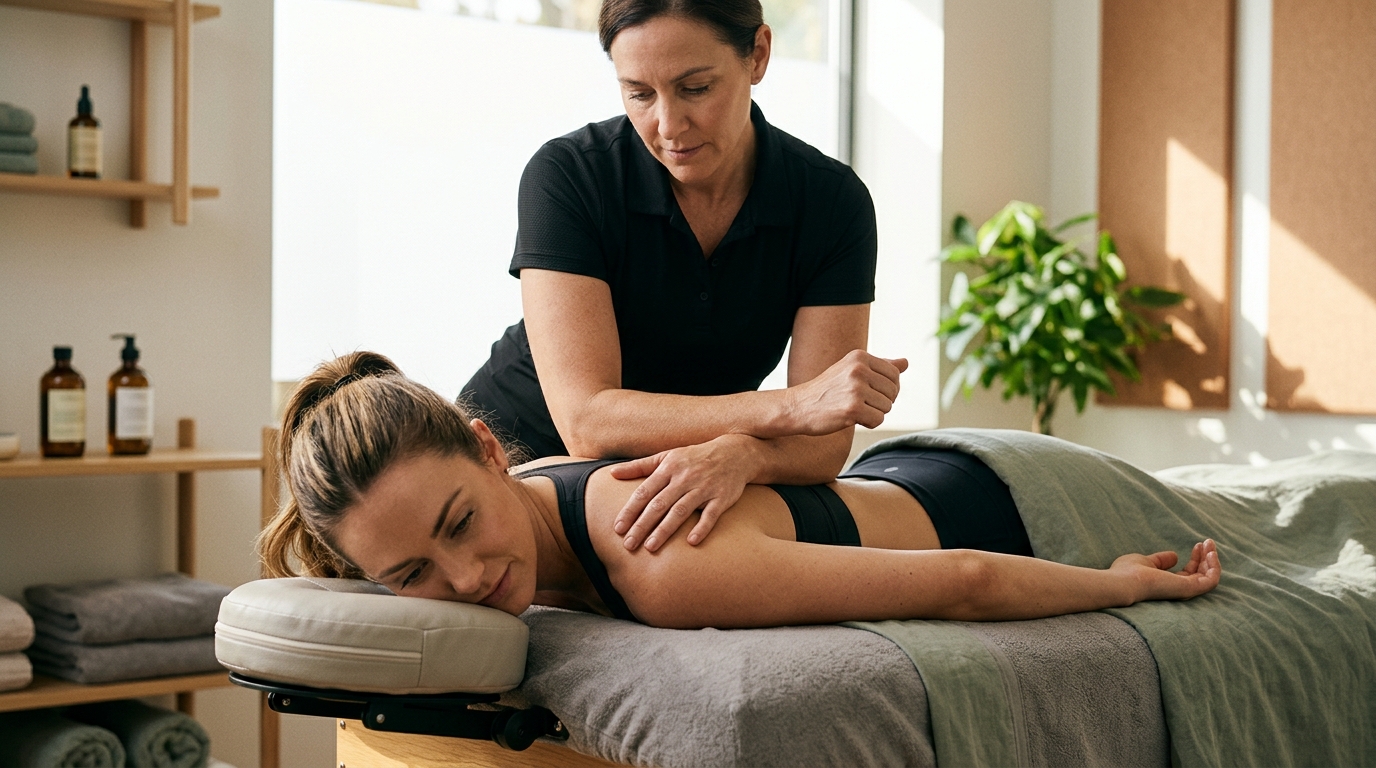
Therapeutic massage is the cornerstone of clinical recovery for chronic pain and deep muscular tension. This modality utilizes slow, deliberate strokes and deep finger pressure to reach the deeper layers of muscle and fascia. The primary goal is to break down scar tissue and release chronic muscle knots that restrict movement.
For individuals suffering from long-term back pain or neck stiffness, therapeutic massage provides significant relief by improving blood circulation to damaged tissues. Improved circulation accelerates the removal of metabolic waste products that accumulate in stressed muscles. This process reduces inflammation and promotes faster cellular repair. If your injury stems from repetitive strain or poor posture, this modality is likely your best option.
Unlike relaxation-focused massages, therapeutic sessions are highly targeted. The therapist will identify trigger points and apply sustained pressure to release them. This method requires a high level of skill and anatomical knowledge. At Piedmont Injury Massage, therapists are trained to customize the pressure based on your immediate feedback and tissue response. This ensures that the treatment remains effective without causing unnecessary bruising or trauma to the tissue.
Step 3: Sports Massage for Active Recovery
Sports massage is designed specifically for individuals who engage in regular physical activity or competitive athletics. This modality focuses on preventing injuries, enhancing performance, and accelerating recovery after intense physical exertion. It combines elements of deep tissue work with stretching and range-of-motion exercises.
For athletes, sports massage helps to maintain muscle elasticity and flexibility. Tight muscles are more prone to tears and strains during high-intensity movements. By keeping the soft tissue pliable, you reduce the risk of future injuries. Additionally, sports massage can help to correct muscular imbalances that develop from repetitive motion patterns common in specific sports.
Recovery is a critical component of athletic training. After a strenuous workout, muscles accumulate micro-tears and metabolic byproducts. Sports massage facilitates the flushing of these byproducts, such as lactic acid, which can cause delayed onset muscle soreness. This allows athletes to return to training sooner with reduced pain. Piedmont Injury Massage offers specialized sports massage services tailored to the unique demands of your physical regimen.
Step 4: Lymphatic Drainage for Swelling
Lymphatic drainage massage is a gentle, rhythmic technique designed to stimulate the flow of lymph fluid through the body. The lymphatic system is responsible for removing waste and toxins from tissues. When this system is compromised due to injury or surgery, fluid can accumulate, causing swelling and edema.
This modality is particularly effective for post-surgical recovery. After an operation, the body often experiences significant inflammation and fluid retention. Gentle lymphatic drainage helps to reduce this swelling and promote healing without stressing the surgical site. The technique involves light, wave-like movements that mimic the natural pumping action of the lymphatic vessels.
It is crucial to distinguish lymphatic drainage from deep tissue work. The pressure used is significantly lighter, focusing on the surface layers of the skin and superficial lymphatic vessels. This makes it ideal for individuals who are sensitive to pressure or are in the early stages of healing. If your primary concern is swelling rather than muscle tension, lymphatic drainage is the appropriate choice.
Step 5: Prenatal Massage for Structural Support
Prenatal massage is a specialized form of therapeutic massage designed for pregnant individuals. It addresses the unique physical changes and discomforts associated with pregnancy, such as lower back pain, hip tension, and swelling in the extremities. The body undergoes significant structural shifts as the fetus grows, placing extra strain on the musculoskeletal system.
This modality uses specific positioning techniques, such as side-lying or specialized bolsters, to ensure comfort and safety for both the mother and the baby. The focus is on relieving pressure points and reducing stress hormones. Studies have shown that prenatal massage can help to improve sleep quality and reduce anxiety during pregnancy.
For individuals recovering from pregnancy-related injuries or preparing for postpartum recovery, this service provides essential support. It helps to restore balance to the pelvic floor and alleviate tension in the lower back. Piedmont Injury Massage offers customized prenatal massage plans to support your wellness journey during this transformative time.
Modality Comparison Matrix
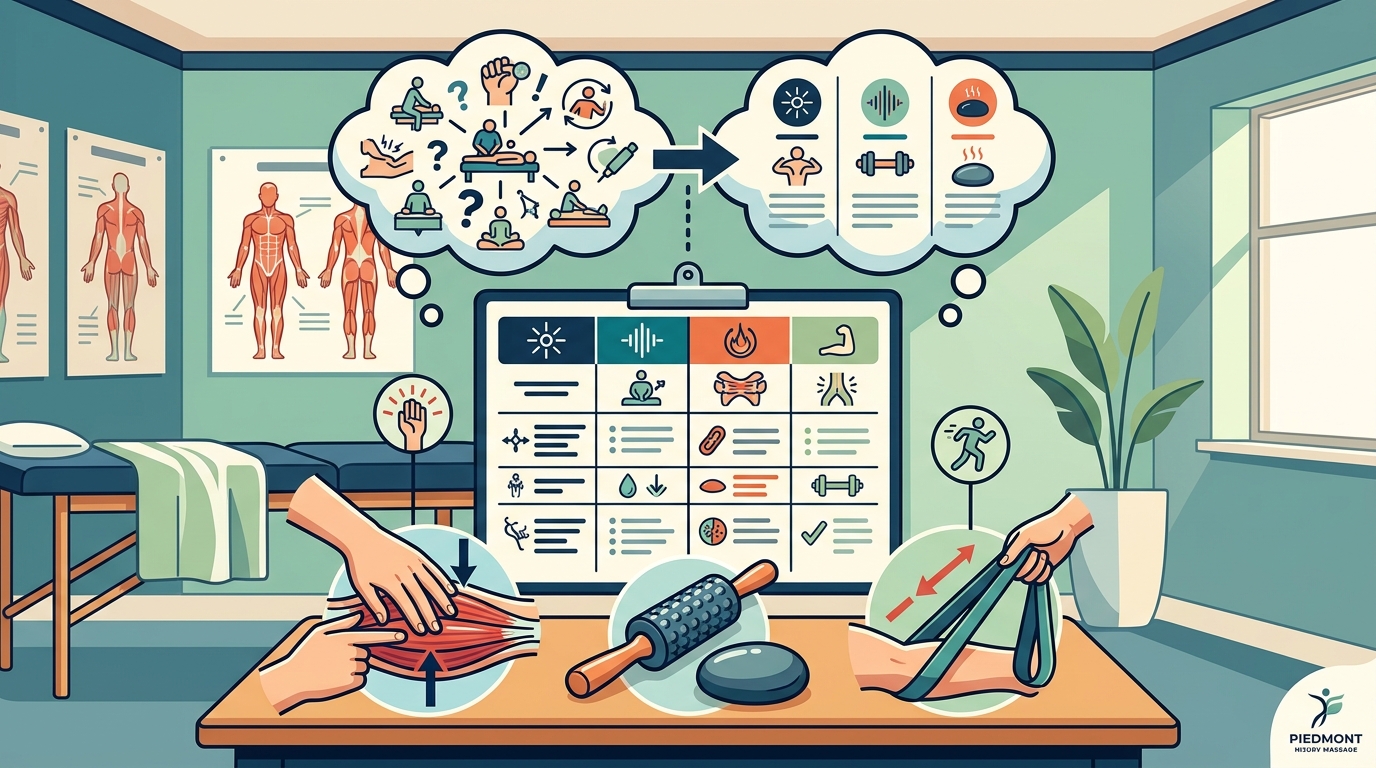
The following table summarizes the key differences between the primary massage modalities offered for injury recovery. Use this matrix to identify the best fit for your specific condition.
| Modality | Primary Indication | Pressure Level | Key Benefit | Best For |
|---|---|---|---|---|
| Therapeutic Massage | Chronic pain, deep knots | Medium to Deep | Breaks down scar tissue | Long-term injury recovery |
| Sports Massage | Performance, prevention | Variable | Enhances flexibility | Athletes and active individuals |
| Lymphatic Drainage | Swelling, edema | Light | Reduces fluid retention | Post-surgical or acute inflammation |
| Prenatal Massage | Pregnancy discomfort | Light to Medium | Relieves structural strain | Pregnant individuals |
Key Takeaways
- Customization is Critical: Piedmont Injury Massage specializes in custom-designed massage therapy for your specific needs, ensuring that the treatment matches your injury profile.
- Time-Based Pricing: You pay for the time, not the type of massage. This model allows therapists to dedicate sufficient attention to your unique condition without rushing.
- Gratuity Policy: Gratuity is never needed, though it is always appreciated. This transparent pricing structure reflects a professional, clinical approach to care.
- Comprehensive Recovery: Massage therapy benefits extend beyond pain relief to include stress management, increased immune function, and enhanced physical fitness.
- Skincare Integration: For those seeking holistic wellness, Piedmont Injury Massage also offers unique skincare services, including tightening and toning facials with minor skin irregularity improvements.
- Product Quality: The clinic utilizes high-quality products, including Viktoria De’Ann active natural biological peptide messengers for advanced anti-aging treatments.
- Professional Standards: Services are provided by licensed professionals who prioritize safety and efficacy in every session.
Frequently Asked Questions
How do I know if I need deep tissue or light massage?
If you have chronic muscle tension, scar tissue, or deep knots, deep tissue massage is likely more effective. If you are experiencing acute inflammation, swelling, or are sensitive to pressure, light massage or lymphatic drainage is recommended.
Can massage therapy help with post-surgical recovery?
Yes, lymphatic drainage massage is particularly beneficial for reducing post-surgical swelling and promoting healing. However, you must consult with your surgeon before beginning any massage therapy after an operation.
What is the difference between therapeutic and sports massage?
Therapeutic massage focuses on treating specific injuries and chronic pain conditions. Sports massage is designed to enhance athletic performance and prevent injuries in active individuals, often incorporating stretching and range-of-motion techniques.
Do I need to bring my own massage oil?
No, Piedmont Injury Massage provides high-quality products for all sessions. They utilize professional-grade oils and lotions to ensure comfort and efficacy during your treatment.
How often should I receive massage therapy for injury recovery?
The frequency depends on the severity of your injury and your recovery goals. Acute injuries may require more frequent sessions initially, while chronic conditions may benefit from regular maintenance. A consultation can help determine the optimal schedule.
Is massage therapy covered by insurance?
Insurance coverage varies by provider and plan. Some plans cover therapeutic massage if prescribed by a physician for a specific medical condition. It is advisable to check with your insurance provider for details.
What should I wear during a massage session?
You should wear comfortable, loose-fitting clothing. For deeper tissue work, you may be asked to undress to your comfort level, with draping provided to maintain modesty and warmth.
Can I book a gift certificate for someone else?
Yes, Piedmont Injury Massage offers gift certificates for both massage therapy and skincare services. This is an excellent way to share the benefits of professional pain management and wellness care.
Book Your Consultation
Determining the right massage modality is the first step toward effective pain management and muscle recovery. At Piedmont Injury Massage, we provide customized plans to help you get back to doing the things you love. Whether you need therapeutic massage, sports massage, or lymphatic drainage, our team is here to serve you. Contact us today to schedule your personalized consultation and begin your journey to wellness.