If you are still dealing with back pain weeks or months after a car accident, slip-and-fall, or workplace injury, you are not alone. Chronic back pain following a personal injury is one of the most common reasons people seek medical massage, and a growing body of clinical research supports its role in a well-rounded recovery plan.
What Makes Medical Massage Different from a Spa Massage?
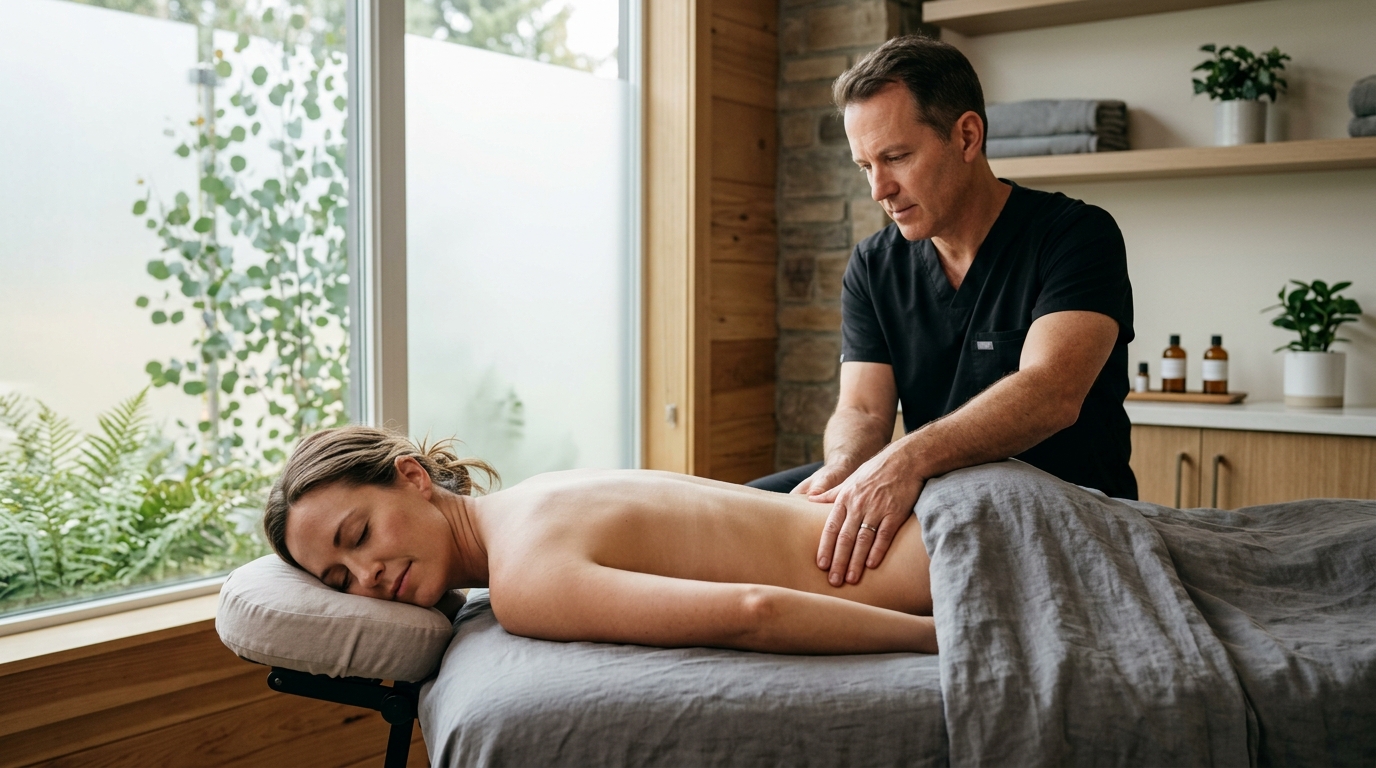
A relaxation massage at a day spa and a medical massage in a clinical setting share the same foundational strokes, but that is where the similarities end. Medical massage is a specialized form of massage therapy focused on treating specific injuries, conditions, or musculoskeletal issues. Unlike general relaxation massages, medical massages are tailored to address the underlying causes of pain. A therapist trained in medical massage will review your injury history, examine your range of motion, and build a session around the tissues and movement patterns that need the most attention.
At Piedmont Injury Massage, every treatment plan begins with an assessment of your diagnosis, your current pain levels, and the goals set by your broader care team—whether that includes a chiropractor, orthopedist, or physical therapist.
What Does the Clinical Research Say?
Back pain is the single most studied condition in massage-therapy research, and the findings offer genuine encouragement for injury survivors.
American College of Physicians Guidelines
The American College of Physicians (ACP) clinical practice guideline on noninvasive treatments for low back pain recommends that clinicians and patients select nonpharmacologic treatment—including massage, acupuncture, or spinal manipulation—for acute or subacute low back pain before turning to medication. This recommendation carries a strong grade.
Cochrane Review Findings
An updated Cochrane Review on massage therapy reported that massage can improve pain outcomes in patients with acute, subacute, and chronic low back pain. Functional improvements were also noted in subacute and chronic cases when compared with inactive controls, although benefits were primarily observed in the short term.
VA Evidence Synthesis (2023)
A Veterans Affairs Evidence-Based Synthesis Program report found that six systematic reviews published since 2018 show a potential benefit for massage therapy in patients with back pain, fibromyalgia, myofascial pain, and breast-cancer-related pain with moderate certainty of evidence. This represented an improvement over older reviews that rated the evidence as low or very low.
Real-World Practice Study
In one pragmatic study, patients were referred by a physician to a massage therapist who designed and provided a series of ten massages in a clinical treatment environment, mimicking the experience of people who choose to seek massage therapy in the real world. The researchers found that adults, particularly in older age groups, tended to experience clinically meaningful changes in pain and function.
How Medical Massage Targets Post-Injury Back Pain
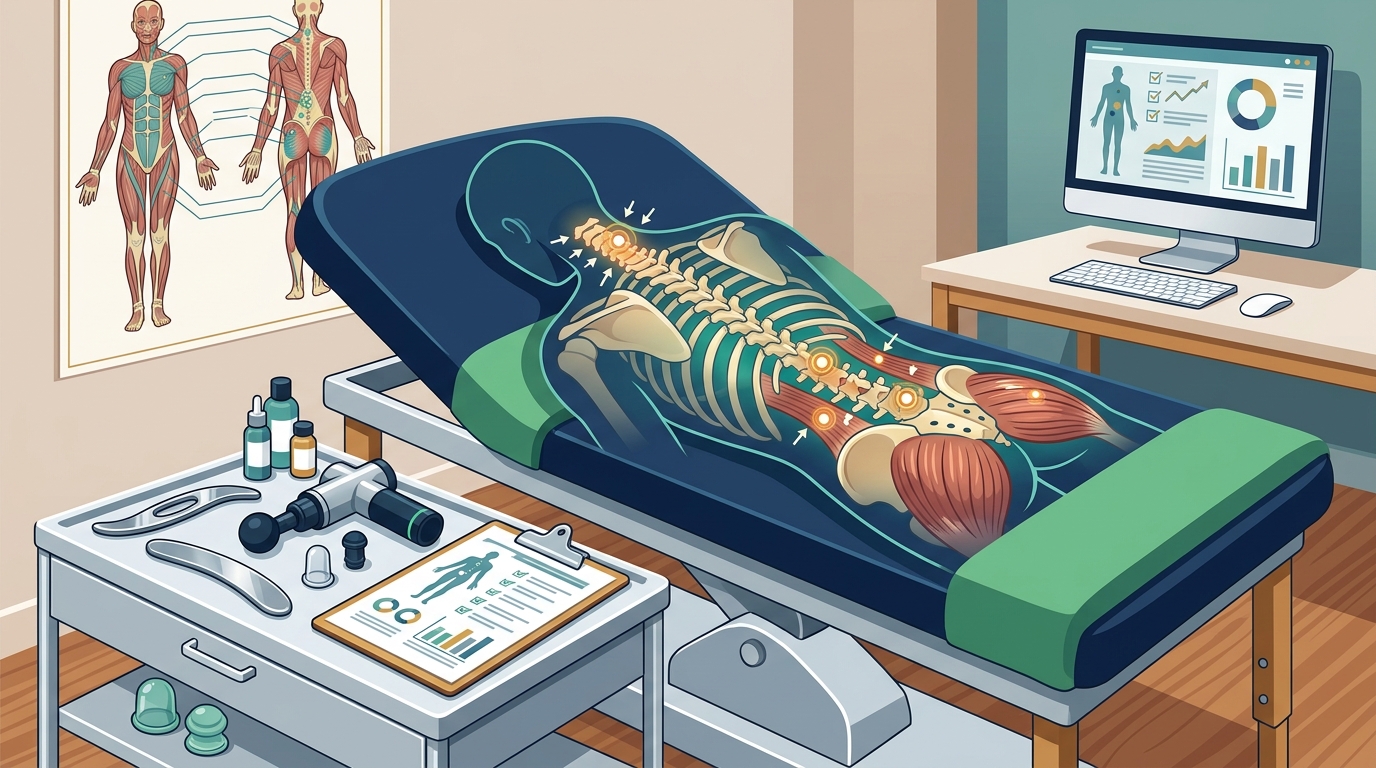
After a personal injury, your back pain is rarely caused by a single problem. Swelling, scar-tissue formation, muscle guarding, and nerve irritation can all contribute. Medical massage addresses multiple layers of dysfunction simultaneously:
- Reducing inflammation: Injury often causes inflammation in muscles, tendons, and ligaments. Massage helps drain excess fluid from the injured area, reducing swelling and easing discomfort. Lymphatic drainage techniques gently move fluid through the lymphatic system, speeding up the reduction of swelling.
- Improving circulation: Increased blood flow is vital to the healing process because it brings oxygen and nutrients to damaged tissues while removing waste products. Massage stimulates blood flow in targeted areas, encouraging faster tissue repair.
- Breaking compensatory patterns: After an injury, surrounding muscles often overcompensate to protect the hurt area, creating secondary pain sites. Medical massage identifies and releases these compensation patterns before they become chronic.
- Calming the nervous system: Massage reduces stress hormones like cortisol and promotes the release of endorphins—the body's natural pain relievers. This neurological shift creates a more favorable internal environment for healing.
Key Techniques Used in Injury-Related Back Pain
Your therapist will select from several evidence-informed modalities depending on your stage of healing and the structures involved.
| Technique | Best For | How It Helps |
|---|---|---|
| Deep Tissue Massage | Chronic muscle tension, scar-tissue adhesions | Uses slow, firm pressure to reach deeper muscle layers, breaking down adhesions that restrict movement after injury. |
| Myofascial Release | Fascial restrictions, stiffness | Applies sustained, gentle pressure to fascial restrictions, improving flexibility and structural alignment. |
| Trigger Point Therapy | Referred pain patterns, muscle knots | Interrupts pain-spasm-pain cycles by applying direct pressure to hyperirritable spots in taut muscle bands. |
| Lymphatic Drainage | Post-acute swelling | Gently moves excess fluid through the lymphatic system to reduce swelling quickly. |
| Swedish Massage | Early-stage recovery, general soreness | Enhances circulation and promotes relaxation, making it ideal when deeper work is not yet appropriate. |
What to Expect During Your First Session at Piedmont Injury Massage
- Intake and assessment: You will fill out a detailed health history form that includes your injury date, diagnosis, current medications, and any imaging results. Your therapist reviews this before touching you.
- Postural and range-of-motion evaluation: Standing and seated assessments help pinpoint areas of restriction and muscle imbalance.
- Treatment: Sessions typically last 60 to 90 minutes. Pressure, technique, and targeted areas are adjusted in real time based on your feedback.
- Home-care guidance: You will leave with simple stretches, ice-or-heat recommendations, and ergonomic tips designed to extend the benefits between visits.
- Progress tracking: Pain levels and functional milestones are logged at every appointment so your therapist—and your referring provider—can see measurable improvement.
Combining Medical Massage with Other Treatments
Medical massage is most effective as part of a multidisciplinary approach. Physical therapy and massage complement each other, each playing a unique role in the recovery process. Massage prepares muscles for exercise, reduces post-exercise soreness, and enhances the overall effectiveness of rehabilitation exercises.
Common pairings that Piedmont Injury Massage clients benefit from include:
- Chiropractic adjustments + massage: Soft-tissue work before or after an adjustment can help the correction hold longer.
- Physical therapy + massage: Massage eases the soreness that strengthening exercises create, improving compliance with your PT program.
- Pain-management physician oversight + massage: For patients reducing reliance on medication, massage offers a non-pharmacological avenue for pain control. The ACP guideline prioritizes non-drug therapies before escalating to NSAIDs, and reserves opioids as a last resort.
Key Takeaways
- Medical massage is clinically supported for acute, subacute, and chronic low back pain according to ACP guidelines and Cochrane reviews.
- It works through multiple mechanisms: reducing inflammation, improving circulation, breaking up scar tissue, and calming the nervous system.
- Techniques are tailored to your stage of healing—from gentle Swedish strokes in the early days to deep tissue and trigger point work later on.
- Combining massage with physical therapy, chiropractic care, or physician-directed pain management produces the strongest outcomes.
- At Piedmont Injury Massage, every session is built around your specific injury, tracked for measurable progress, and coordinated with your broader care team.
Frequently Asked Questions
Is medical massage safe if I still have acute inflammation from my injury?
Yes, when performed by a trained therapist. In the acute phase, gentler techniques such as lymphatic drainage and light Swedish massage are used to reduce swelling without aggravating inflamed tissues. Your therapist will avoid deep pressure on acutely injured areas and adjust the approach as healing progresses.
How many sessions will I need before I notice a difference?
Many patients report noticeable relief after one or two sessions, but research suggests a series of treatments produces the best results. In one clinical study, a series of ten massages was used to achieve clinically meaningful changes. Your therapist will reassess your progress regularly and adjust the plan accordingly.
Will my auto insurance or personal-injury claim cover medical massage?
In many personal-injury cases, medical massage is a covered treatment when prescribed or referred by a physician. Coverage varies by state, policy, and insurer. Piedmont Injury Massage can provide detailed treatment documentation and progress notes to support your claim.
Can medical massage replace physical therapy for back pain?
They serve different purposes and work best together. Physical therapy rebuilds strength and movement patterns, while medical massage addresses soft-tissue restrictions, pain, and muscle guarding. Combining both therapies enhances overall rehabilitation outcomes.
What if my back pain is from a herniated disc—can massage still help?
Medical massage can help manage the muscular tension and spasm that accompany a disc herniation, but it does not treat the disc itself. Your therapist will coordinate with your physician to ensure techniques are appropriate for your specific diagnosis and avoid positions or pressures that could worsen symptoms.