What should you know about whiplash recovery through specialized massage therapy?
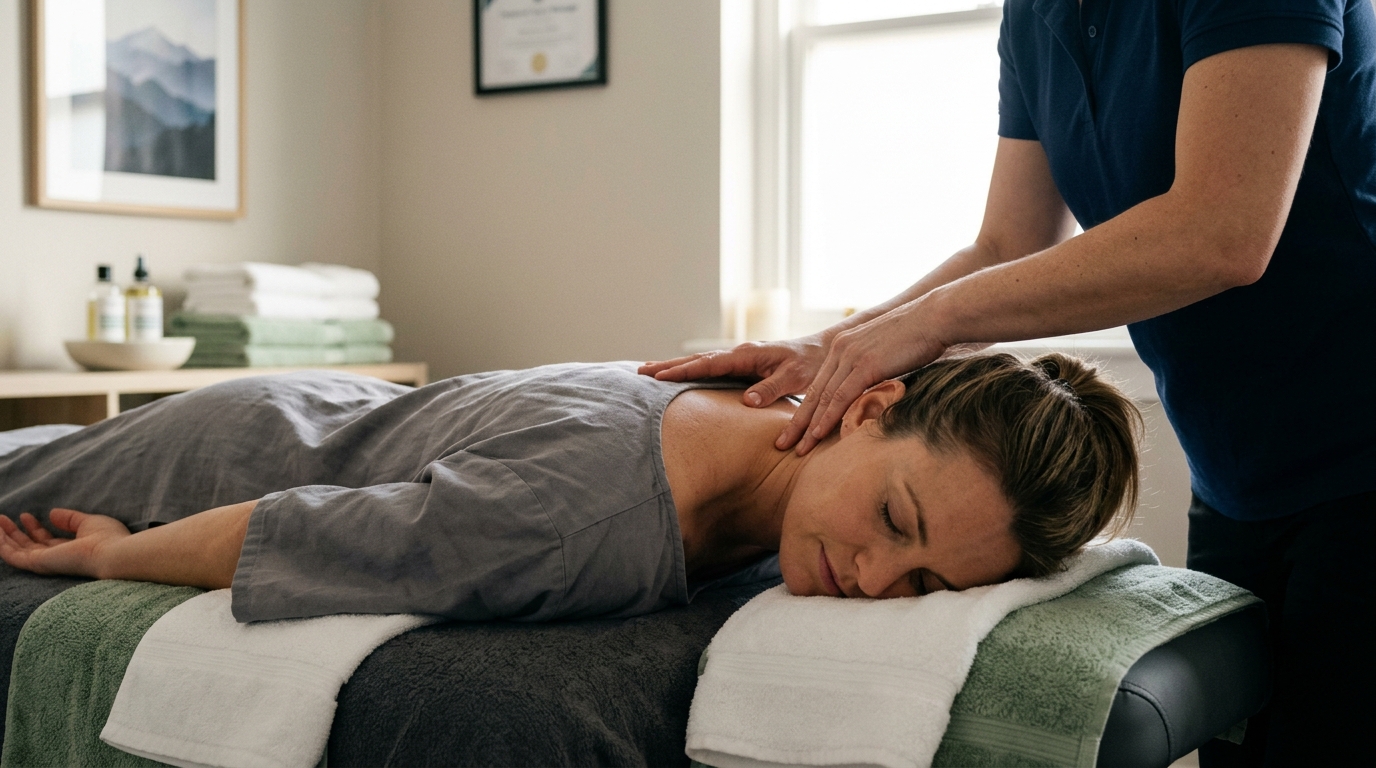
Whiplash recovery through specialized massage therapy involves targeted manual techniques that reduce muscle tension, improve circulation, and restore range of motion. This approach complements standard medical care by addressing soft tissue restrictions that often persist after the initial injury. At Piedmont Injury Massage, our certified therapists focus on pain management and muscle recovery to help you return to daily activities safely and effectively.
Understanding the Mechanics of Whiplash Injury
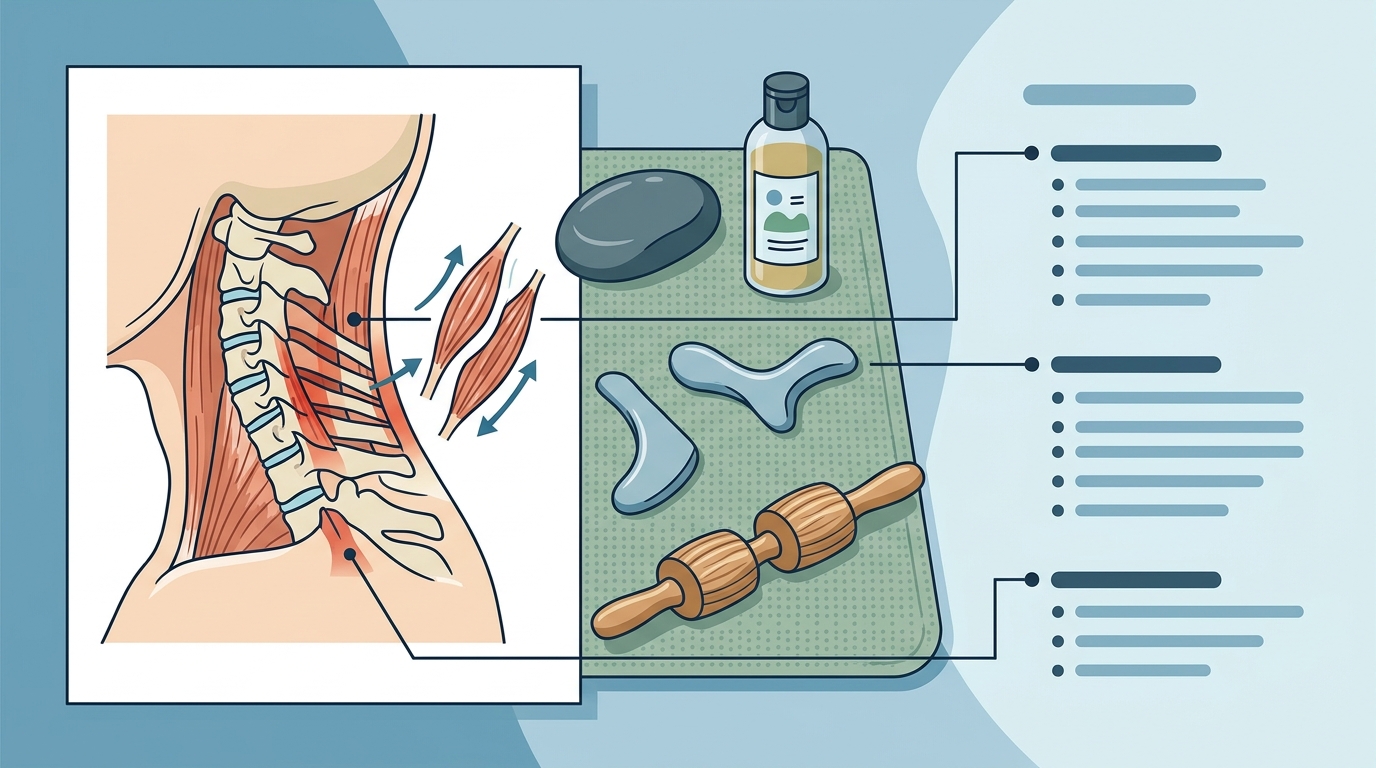
Whiplash is a neck injury caused by a rapid back-and-forth movement of the neck, often described as a snapping of the whip. This sudden acceleration-deceleration mechanism stretches or tears muscles, ligaments, and tendons in the neck. The injury frequently results from rear-end vehicle collisions, but it can also occur during sports impacts or falls.
The immediate aftermath of whiplash involves inflammation and protective muscle guarding. Your body tightens the surrounding muscles to stabilize the injured area, which can lead to significant stiffness and pain. Understanding this protective mechanism is crucial because it explains why simple relaxation techniques may not be enough. The muscles need to be gently released and retrained to function correctly.
At Piedmont Injury Massage, we recognize that whiplash is not just a neck issue. It often affects the upper back, shoulders, and even the lower back due to compensatory movements. Our therapeutic approach addresses the entire kinetic chain to ensure a comprehensive recovery.
The Role of Specialized Massage in Recovery
Specialized massage therapy for whiplash is a hands-on treatment method that uses specific techniques to alleviate pain and restore mobility. Unlike general relaxation massage, this specialized form targets the specific soft tissue structures affected by the injury. It helps break down adhesions and reduce the buildup of metabolic waste in the injured tissues.
One of the primary benefits of this therapy is the improvement of blood circulation. Increased blood flow brings oxygen and nutrients to the healing tissues while removing inflammatory byproducts. This process accelerates the natural healing timeline. For example, a client recovering from a rear-end collision may experience significant stiffness in the trapezius and levator scapulae muscles. Targeted massage techniques can help release these specific areas, reducing the sensation of tightness.
Our therapists at Piedmont Injury Massage are trained to identify these specific areas of restriction. We use a results-oriented approach, ensuring that each session contributes to measurable improvements in your range of motion and pain levels. We are not a "fluff" spa; our goal is to help you feel relief and see results.
Key Techniques Used in Whiplash Treatment
Several specific techniques are employed in the treatment of whiplash injuries. Myofascial release is one such technique, which involves applying sustained pressure to the connective tissue surrounding the muscles. This helps release restrictions in the fascia, which can limit movement and cause pain. Another common technique is trigger point therapy, which targets specific knots in the muscle that refer pain to other areas.
Deep tissue massage is also frequently used, though it must be applied with care during the acute phase of injury. This technique works on the deeper layers of muscle and connective tissue to release chronic tension patterns. It is particularly effective for addressing the residual stiffness that often remains after the initial inflammation has subsided. The therapist adjusts the pressure based on your comfort level and the stage of your healing.
At Piedmont Injury Massage, we customize each session to your specific needs. We may combine different techniques in a single session to address multiple aspects of your injury. This personalized approach ensures that you receive the most effective care for your unique situation.
Recovery Timeline and What to Expect
The timeline for whiplash recovery varies significantly from person to person. Some individuals may experience relief within a few weeks, while others may have symptoms that persist for months. The severity of the injury, your overall health, and your adherence to a rehabilitation plan all play a role in determining the recovery period. It is important to be patient and consistent with your treatment.
During the initial phase of recovery, the focus is on pain management and reducing inflammation. As you progress, the emphasis shifts to restoring range of motion and strengthening the supporting muscles. Massage therapy can be integrated into this process at various stages. In the early stages, lighter techniques may be used to promote circulation without aggravating the injury. As healing progresses, deeper techniques can be introduced to address residual stiffness.
Our team at Piedmont Injury Massage works with you to develop a personalized recovery plan. We monitor your progress closely and adjust the treatment as needed. This collaborative approach ensures that you are moving in the right direction and achieving your recovery goals.
Integrating Massage with Other Therapies
Massage therapy is most effective when used as part of a comprehensive treatment plan. It works well in conjunction with physical therapy, chiropractic care, and other medical interventions. The combination of manual therapy and active rehabilitation exercises can lead to better outcomes than either approach alone. Your healthcare provider can help you determine the best combination of treatments for your specific condition.
It is also important to incorporate self-care practices into your recovery routine. Gentle stretching, proper posture, and stress management can all support the healing process. Your massage therapist can provide you with specific exercises and tips to use between sessions. This empowers you to take an active role in your recovery and maintain the benefits of your treatment.
At Piedmont Injury Massage, we emphasize the importance of holistic care. We consider your overall well-being when developing your treatment plan. This includes addressing any underlying stress or tension that may be contributing to your pain. Our goal is to help you achieve long-term relief and prevent future injuries.
Key Takeaways
- Whiplash is a complex injury that affects multiple soft tissue structures in the neck and upper back.
- Specialized massage therapy helps reduce pain, improve circulation, and restore range of motion.
- Techniques such as myofascial release and trigger point therapy are commonly used in whiplash treatment.
- The recovery timeline varies, but consistent treatment and self-care can improve outcomes.
- Massage therapy works best when integrated with other medical treatments and rehabilitation exercises.
- Personalized care from certified therapists ensures that your treatment is tailored to your specific needs.
Frequently Asked Questions
Is massage therapy safe for whiplash?
Yes, when performed by a qualified professional, massage therapy is generally safe for whiplash. The therapist will adjust the techniques based on the stage of your healing to ensure comfort and safety.
How many sessions will I need?
The number of sessions depends on the severity of your injury and your individual response to treatment. Some clients see improvement after a few sessions, while others may require a longer course of treatment.
Will massage therapy cure whiplash?
Massage therapy is a complementary treatment that helps manage symptoms and support healing. It is not a standalone cure but works effectively as part of a comprehensive care plan.
Can I continue my normal activities during treatment?
It is generally recommended to modify activities that aggravate your pain. Your therapist can provide guidance on safe movements and exercises to maintain mobility without risking further injury.
How do I know if massage therapy is right for me?
If you are experiencing persistent neck pain, stiffness, or reduced range of motion after a whiplash injury, a consultation with a certified massage therapist can help determine if this treatment is appropriate for you.