Injury rehabilitation is rarely a one-size-fits-all process. Whether you are recovering from a sports tear, post-surgical stiffness, or chronic back pain, the path to recovery often involves choosing between or combining different therapeutic modalities. Understanding the distinct roles of massage therapy and physical therapy is critical for optimizing your recovery timeline. According to the American Physical Therapy Association, approximately 30% of the population experiences back pain annually, highlighting the massive demand for effective, targeted rehabilitation strategies. This article breaks down the core differences, overlapping benefits, and strategic integration of these two disciplines to help you make an informed healthcare decision.
Core Differences in Methodology
While both massage therapy and physical therapy aim to restore function and reduce pain, their primary mechanisms of action differ significantly. The fundamental distinction lies in the approach to tissue manipulation and functional restoration.
Massage therapy is a hands-on manipulation of soft tissues (muscles, tendons, ligaments, and connective tissue) designed to improve circulation, reduce muscle tension, and promote relaxation. It is primarily passive for the patient, focusing on the immediate physiological response to pressure and stroke techniques.
Physical therapy is a clinical discipline focused on restoring movement and function through active exercises, manual therapy, and modalities like ultrasound or electrical stimulation. It requires active patient participation to rebuild strength, improve range of motion, and prevent future injury through biomechanical correction.
At Piedmont Injury Massage, we specialize in the soft tissue aspect of recovery. We recognize that while physical therapy addresses the "how" of movement, massage therapy addresses the "where" of pain and tension. Understanding this nuance is the first step in selecting the right provider for your specific injury profile.
The Role of Massage Therapy in Recovery
Massage therapy serves as a critical component in the early and middle stages of injury rehabilitation. Its primary value lies in its ability to modulate the nervous system and break down adhesions that form after trauma or surgery.
Pain Management and Nervous System Regulation
One of the most immediate benefits of therapeutic massage is pain relief. Research indicates that massage can stimulate the parasympathetic nervous system, which is responsible for the "rest and digest" state. This shift helps lower cortisol levels and reduces the perception of pain. For individuals dealing with acute inflammation or chronic stiffness, this physiological shift is essential for breaking the pain-spasm-pain cycle.
Soft Tissue Mobilization
Injuries often result in scar tissue formation or fascial restrictions that limit mobility. Techniques such as deep tissue massage and myofascial release target these specific areas. Therapeutic massage helps to realign collagen fibers, improving tissue elasticity and reducing the risk of re-injury. This is particularly effective for conditions like sprains, strains, and tears, which are the core focus of our practice in Braselton and Hoschton.
Enhanced Circulation and Healing
Increased blood flow is a direct result of mechanical pressure applied during massage. This enhanced circulation delivers oxygen and nutrients to damaged tissues while facilitating the removal of metabolic waste products like lactic acid. Faster clearance of these waste products can significantly reduce swelling and accelerate the natural healing process.
The Role of Physical Therapy in Recovery
Physical therapy (PT) is the gold standard for restoring functional independence after an injury. While massage addresses the symptoms and local tissue health, PT addresses the root cause of movement dysfunction.
Active Rehabilitation and Strengthening
The cornerstone of physical therapy is active exercise. PTs design progressive loading programs to strengthen the muscles surrounding an injury. This strengthens the structural support system, reducing the load on joints and injured tissues. Without this strengthening phase, the risk of chronic instability remains high.
Biomechanical Correction
Injuries often alter how you move. You may compensate for a knee injury by favoring your hip, leading to secondary pain. Physical therapists assess these movement patterns and correct them through targeted exercises and manual adjustments. This holistic approach ensures that the entire kinetic chain functions correctly, preventing compensatory injuries.
Functional Restoration
Physical therapy is goal-oriented. Whether the goal is to return to running, lift heavy objects, or simply walk without pain, PT provides the roadmap to achieve these functional milestones. It bridges the gap between clinical recovery and real-world application.
When to Combine Both Approaches
For many complex injuries, the most effective rehabilitation protocol involves a synergistic approach. Combining massage therapy and physical therapy can yield faster and more sustainable results than either modality alone.
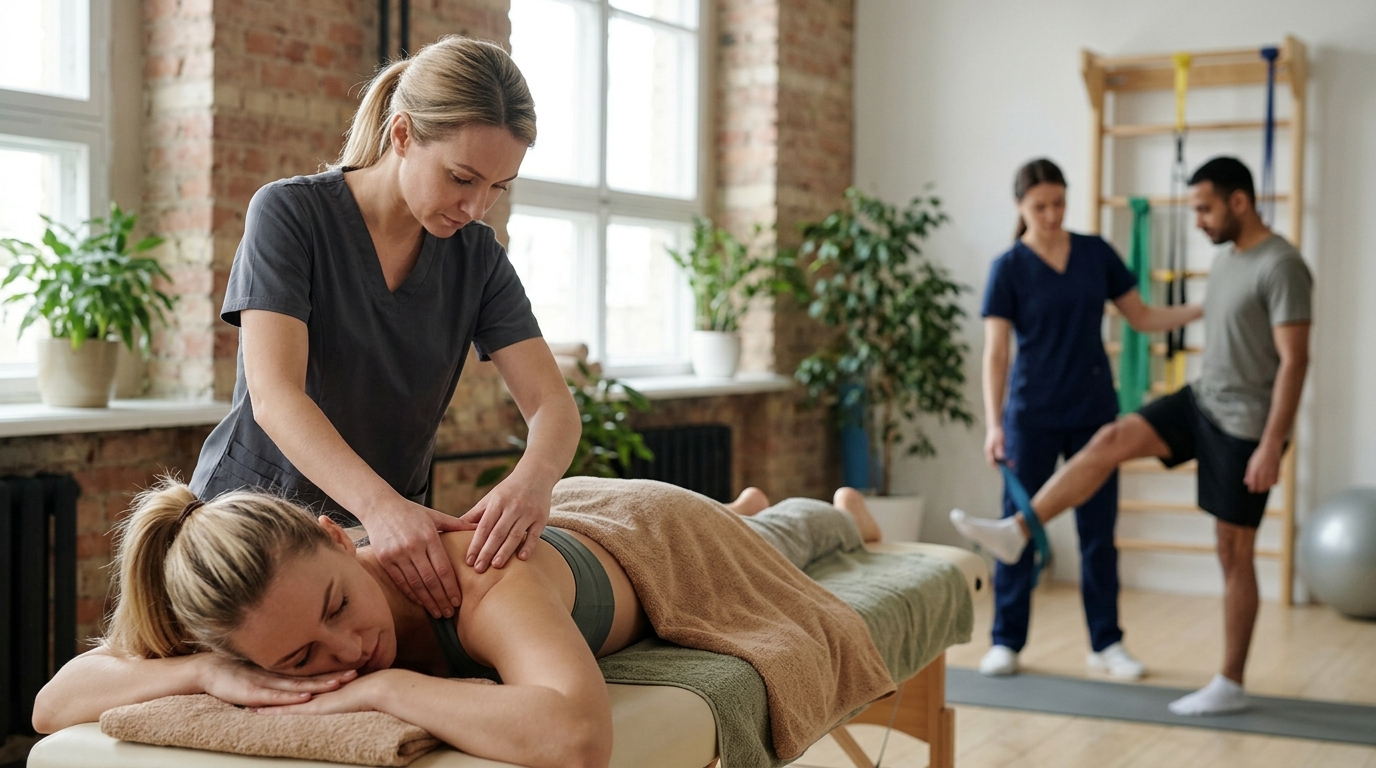
Consider the following scenario: A patient undergoes physical therapy to strengthen their core after back surgery. However, tight hip flexors and glutes may limit the effectiveness of their exercises. By integrating sports massage into their routine, the therapist can release these tight muscles, allowing the patient to perform their PT exercises with greater range of motion and less pain.
At Piedmont Injury Massage, we often work in tandem with local physical therapists. Our FSM Services allow us to isolate specific tissue layers causing discomfort without the aggressive stripping that might irritate an acute injury. This precision complements the broader functional goals set by physical therapists.
Comparison Summary
The table below outlines the key distinctions between massage therapy and physical therapy to assist in your decision-making process.
| Feature | Massage Therapy | Physical Therapy |
|---|---|---|
| Primary Focus | Soft tissue health, pain relief, relaxation | Functional movement, strength, stability |
| Patient Role | Passive (Receiver of treatment) | Active (Performer of exercises) |
| Key Techniques | Deep tissue, myofascial release, lymphatic drainage | Stretching, resistance training, manual therapy |
| Best For | Acute pain, muscle tension, recovery support | Post-surgical rehab, chronic instability, functional goals |
| Outcome | Reduced pain, improved circulation | Restored range of motion, increased strength |
Key Takeaways
- Complementary Roles: Massage therapy prepares the body for physical therapy by reducing tension, while physical therapy builds the strength necessary to maintain long-term health.
- Pain Management: Massage is highly effective for immediate pain relief and nervous system regulation, making it ideal for acute injury phases.
- Functional Recovery: Physical therapy is essential for restoring biomechanics and preventing future injuries through active strengthening.
- Specialized Services: Services like lymphatic drainage massage are unique to massage therapy and are critical for reducing post-surgical swelling.
- Personalized Care: At Piedmont Injury Massage, we tailor every session to your specific injury, whether it is a sports tear or chronic arthritis.
- Local Expertise: Serving Braselton and Hoschton, GA, we provide accessible, high-quality care for residents in the immediate community.
- No Gratuity Required: Our pricing model is transparent; you pay for the time and expertise, with gratuity never needed but always appreciated.
Frequently Asked Questions
Can massage therapy replace physical therapy?
Massage therapy cannot replace physical therapy for injuries requiring structural correction or strength restoration. However, it is a powerful adjunct that can accelerate the effectiveness of physical therapy by reducing pain and increasing tissue pliability.
Which is better for acute injuries?
For acute injuries, gentle massage techniques like lymphatic drainage can help reduce swelling and pain. However, it is crucial to consult with a medical professional to rule out fractures or severe tears before beginning any treatment.
How often should I get massage therapy for injury recovery?
The frequency depends on the severity of the injury. Acute injuries may benefit from weekly sessions initially, while chronic conditions might require bi-weekly maintenance. Our team at Piedmont Injury Massage will create a customized plan based on your progress.
Is prenatal massage safe during recovery?
Yes, prenatal massage is safe and beneficial for pregnant individuals experiencing back pain or swelling. It helps improve circulation and reduce discomfort. Our certified therapists specialize in prenatal massage to ensure the safety and comfort of both mother and baby.
What is FSM therapy?
FSM (Fascial Stretch Massage) is a specialized technique that isolates different parts of the tissue to relieve pain without the discomfort of traditional deep tissue stripping. It is ideal for clients with sensitive tissues or acute pain.
Do you offer skincare services alongside massage?
Yes, we offer advanced skincare services including HydraFacial and microcurrent facials. These treatments complement our massage services by promoting overall wellness and skin health.
How do I book an appointment?
You can book an appointment online through our website or by calling our office directly. We serve the Braselton and Hoschton communities with personalized, hands-on care.
Start Your Recovery Journey
Recovery is not a linear path, but it is a journey you do not have to take alone. Whether you need targeted pain relief through massage, functional restoration through physical therapy, or a combination of both, Piedmont Injury Massage is here to support you. Our certified therapists in Braselton and Hoschton are dedicated to helping you get back to the life you love.
Take the first step toward holistic wellness. Contact us today to schedule your consultation and discover how our specialized services can accelerate your injury rehabilitation.