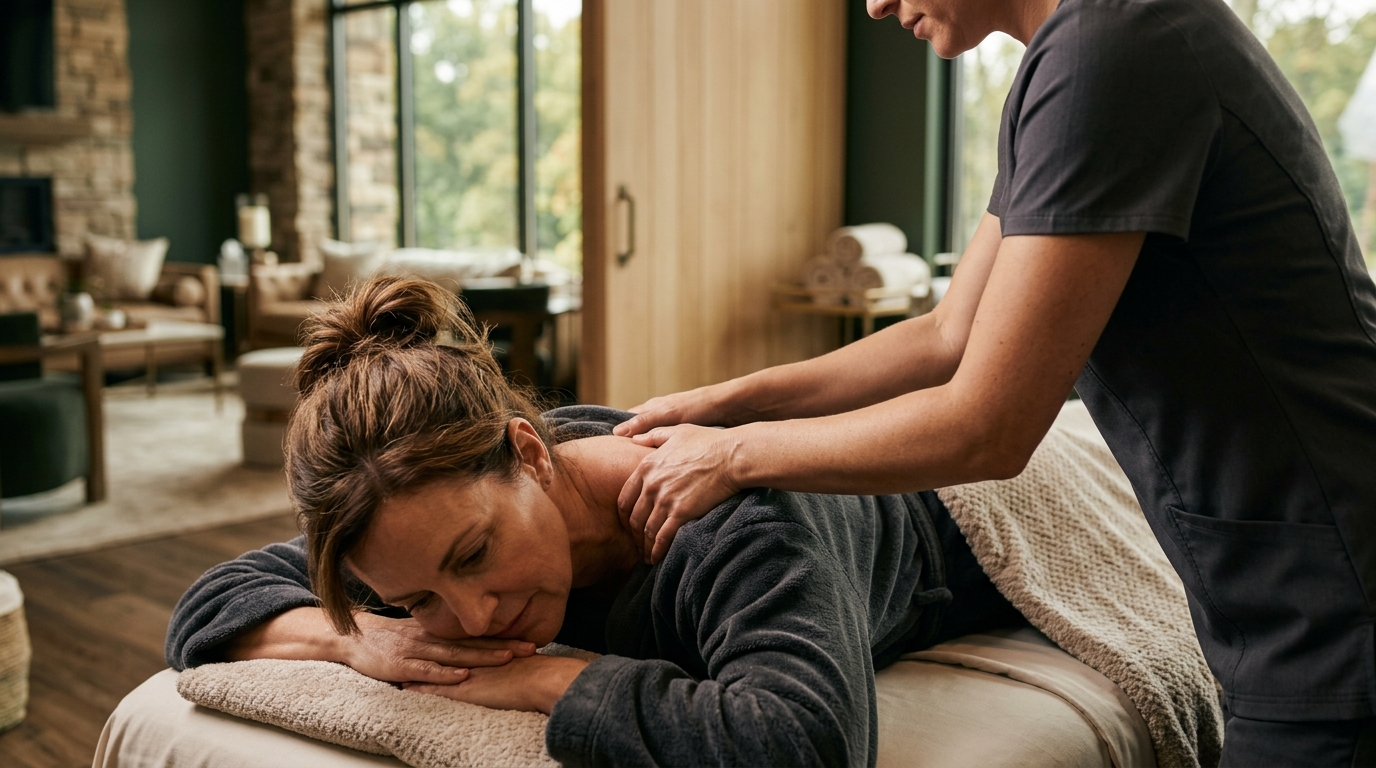
Many individuals in Braselton and Hoschton, Georgia, visit a local clinic seeking relief from chronic pain or post-surgical stiffness, only to be confused by the variety of massage options available. While both relaxation massage and injury-focused recovery therapy utilize manual manipulation of soft tissues, their underlying mechanisms and physiological outcomes differ significantly. Understanding these distinctions is critical for selecting the correct treatment path, as a standard spa treatment may not address the structural deficits caused by a sports injury or a degenerative condition.
Defining Core Concepts
To navigate the landscape of therapeutic care, one must first establish clear definitions for the services offered. In the context of professional wellness centers, the terminology is precise and purpose-driven.
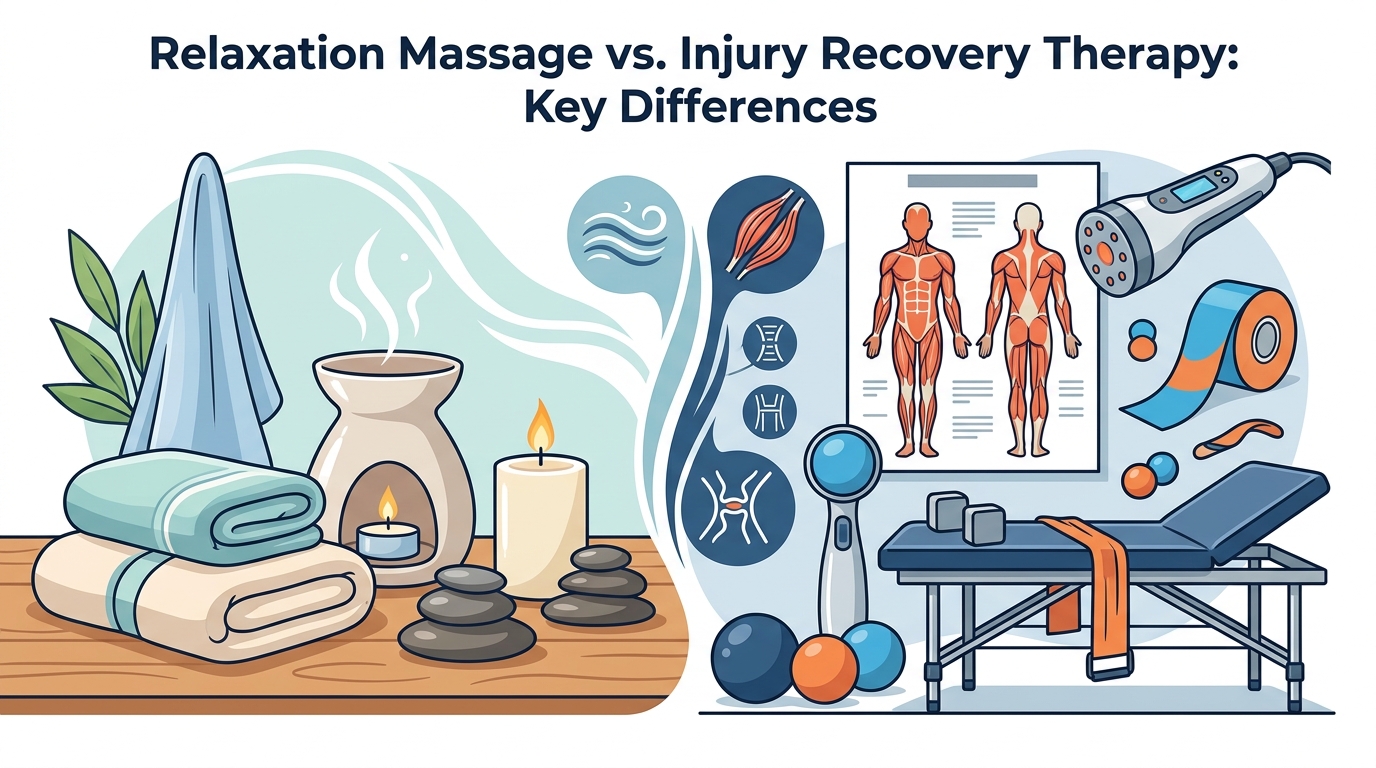
Relaxation Massage is a generalized therapeutic technique designed to reduce stress, induce a state of calm, and improve overall well-being through gentle, rhythmic strokes. This modality prioritizes the nervous system's shift from a sympathetic (fight or flight) state to a parasympathetic (rest and digest) state. The primary goal is subjective comfort rather than objective structural change.
Injury Recovery Therapy is a targeted clinical intervention aimed at resolving specific musculoskeletal dysfunctions, such as adhesions, restricted range of motion, or chronic pain patterns. This approach is diagnostic in nature. The therapist acts as a clinician, identifying trigger points and tissue restrictions that require deep, focused pressure to restore normal function. At facilities like Piedmont Injury Massage, the focus is strictly on pain management and muscle recovery for residents of Braselton and Hoschton.
Technique and Mechanism Differences
The physical execution of these two therapies varies dramatically in terms of pressure, speed, and anatomical focus. Recognizing these mechanical differences helps patients advocate for their own health needs.
Pressure and Depth
Relaxation massage typically utilizes light to moderate pressure. The strokes are long, flowing, and continuous, designed to glide over the muscle surface without causing discomfort. In contrast, injury recovery therapy often employs deep tissue techniques. Therapists may use friction, stripping, or ischemic compression to break down scar tissue or release tight bands of muscle fibers. This process can be intense and sometimes painful during the session, but it is necessary to achieve therapeutic results.
Anatomical Focus
A general relaxation session often follows a full-body protocol, treating the back, legs, arms, and neck in a balanced manner. The aim is systemic relaxation. Conversely, an injury-focused session is highly localized. The therapist will spend the majority of the time on the specific area of injury, such as a rotator cuff tear or a lumbar strain, while also addressing compensatory patterns in adjacent areas. This is why customized massage therapy is essential for effective recovery.
Physiological Outcomes and Benefits
While both modalities offer health benefits, the timeline and nature of these outcomes differ. Understanding the physiological impact helps set realistic expectations for treatment.
Relaxation massage primarily impacts the endocrine and nervous systems. It lowers cortisol levels, reduces heart rate, and improves sleep quality. The benefits are often immediate but may be short-lived if the underlying stressors remain. According to the National Center for Biotechnology Information, regular massage therapy can significantly reduce anxiety and depression symptoms by modulating neurotransmitter activity.
Injury recovery therapy impacts the musculoskeletal and circulatory systems. It increases local blood flow to damaged tissues, accelerates the removal of metabolic waste products, and restores proper fascial alignment. The benefits are cumulative and structural. For example, sports massage is specifically designed to enhance athletic performance and speed up recovery after intense physical exertion. Data from clinical studies suggests that targeted soft tissue manipulation can reduce pain intensity in chronic lower back pain patients by up to 30% over a six-week period, as noted in research published by the Journal of Orthopaedic & Sports Physical Therapy.
Clinical Applications and Use Cases
Choosing the right therapy depends entirely on your current physical state and goals. Misapplying a relaxation technique to an acute injury can sometimes exacerbate inflammation, while using deep tissue work on a healthy, tense body may lead to unnecessary soreness.
When to Choose Relaxation Massage
This modality is ideal for individuals experiencing general stress, mental fatigue, or mild muscle tension without a specific point of pain. It is also beneficial for those who are new to massage therapy and need to acclimate to the sensation of touch. If your primary goal is mental clarity, improved sleep, or a temporary escape from daily pressures, a general relaxation session is the appropriate choice.
When to Choose Injury Recovery Therapy
This approach is necessary for individuals with diagnosed injuries, post-surgical rehabilitation needs, or chronic pain conditions. If you have limited range of motion, palpable knots, or pain that radiates to other parts of the body, you require clinical intervention. Services such as lymphatic drainage massage are critical for reducing swelling after surgery, while prenatal massage addresses the specific structural shifts and circulatory issues associated with pregnancy.
Service Comparison Matrix
The following table summarizes the key distinctions between general relaxation and clinical recovery therapies to assist in decision-making.
| Feature | Relaxation Massage | Injury Recovery Therapy |
|---|---|---|
| Primary Goal | Stress reduction and mental calm | Pain relief and functional restoration |
| Pressure Level | Light to moderate | Deep and targeted |
| Technique | Long, flowing strokes | Friction, stripping, ischemic compression |
| Focus Area | Full body or general zones | Specific injury sites and compensatory areas |
| Best For | General wellness, anxiety, mild tension | Sprains, strains, post-surgical care, arthritis |
| Outcome Timeline | Immediate but temporary relief | Cumulative, long-term structural change |
Key Takeaways
- Distinct Objectives: Relaxation massage targets the nervous system for calm, while injury recovery therapy targets the musculoskeletal system for function.
- Pressure Variance: Clinical therapy requires deep, often painful pressure to break down adhesions, whereas relaxation massage uses gentle, rhythmic strokes.
- Customization is Key: At Piedmont Injury Massage, every session is tailored to the client's specific needs, ensuring the correct modality is applied.
- Chronic Pain Management: Conditions like arthritis or ankylosing spondylitis require consistent clinical intervention rather than occasional spa treatments.
- Post-Surgical Care: Lymphatic drainage and gentle soft tissue work are critical for recovery after surgical procedures, preventing fluid buildup.
- Location Matters: Residents of Braselton and Hoschton have access to specialized care that addresses local lifestyle injuries and aging populations.
- Professional Guidance: A consultation with a certified therapist is necessary to determine if your symptoms require clinical therapy or general wellness care.
Frequently Asked Questions
Can I switch between relaxation and injury therapy?
Yes, many clients alternate between the two. You might use injury therapy to resolve a specific acute issue and then switch to relaxation massage for maintenance and stress management.
Is injury recovery therapy painful?
It can be uncomfortable during the session, particularly when working on trigger points. However, the goal is therapeutic relief, not gratuitous pain. Communication with your therapist is essential to adjust pressure levels.
How often should I receive injury-focused massage?
Frequency depends on the severity of the injury. Acute injuries may require weekly sessions, while chronic conditions might benefit from bi-weekly maintenance. Your therapist will create a plan based on your progress.
Does insurance cover injury massage therapy?
Some insurance plans cover medical massage if it is prescribed by a physician for a specific diagnosed condition. It is advisable to check with your provider and ask your therapist for detailed documentation.
What is the difference between sports massage and injury therapy?
Sports massage is a subset of injury therapy focused on athletes. It aims to enhance performance and prevent injury, while general injury therapy addresses a broader range of musculoskeletal issues for the general population.
Can massage help with arthritis pain?
Yes, targeted massage can reduce stiffness and improve joint mobility in arthritis patients. However, it must be performed with care to avoid aggravating inflamed joints.
Do you offer prenatal massage?
Yes, we offer specialized prenatal massage to address the unique circulatory and structural changes that occur during pregnancy, ensuring safety for both mother and baby.
Start Your Recovery Journey
Whether you are dealing with a lingering sports injury, post-surgical stiffness, or chronic pain, the right therapeutic approach can restore your quality of life. Do not settle for temporary relief when you can achieve lasting structural improvement. Contact Piedmont Injury Massage today to schedule a consultation and discover the power of customized, hands-on care in Braselton and Hoschton, GA.