

Frequency Specific Microcurrent (FSM) is a non-invasive therapeutic technique that uses low-level electrical currents to target specific tissues for pain relief and accelerated healing. Unlike traditional electrical stimulation, FSM operates at the cellular level to restore normal bioelectric function without causing muscle contraction or pain. This modality has gained significant traction in sports medicine and chronic pain management because it addresses the root cause of tissue dysfunction rather than merely masking symptoms. For residents in Braselton and Hoschton, Georgia, understanding this technology offers a viable path to recovery when conventional methods fall short. (Massage Therapy in Braselton)
What is Frequency Specific Microcurrent?
Frequency Specific Microcurrent is a specialized form of electrotherapy that utilizes precise electrical frequencies to influence cellular metabolism. The core principle is that different tissues respond to specific frequencies, allowing practitioners to target inflammation, nerve pain, or tissue repair with high precision. This method is distinct because it does not produce the tingling or muscle twitching associated with higher-voltage electrical devices. (Hoschton Facial Spa amp)
At Piedmont Injury Massage, FSM is integrated into a broader holistic care model. The service is designed to isolate different parts of the tissue causing pain without the discomfort of stripping the muscle. This approach is particularly beneficial for individuals dealing with soft tissue injuries, sprains, strains, and tears. By focusing on the specific area of concern, the therapy aims to restore the body's natural electrical balance, which is often disrupted by injury or chronic stress.
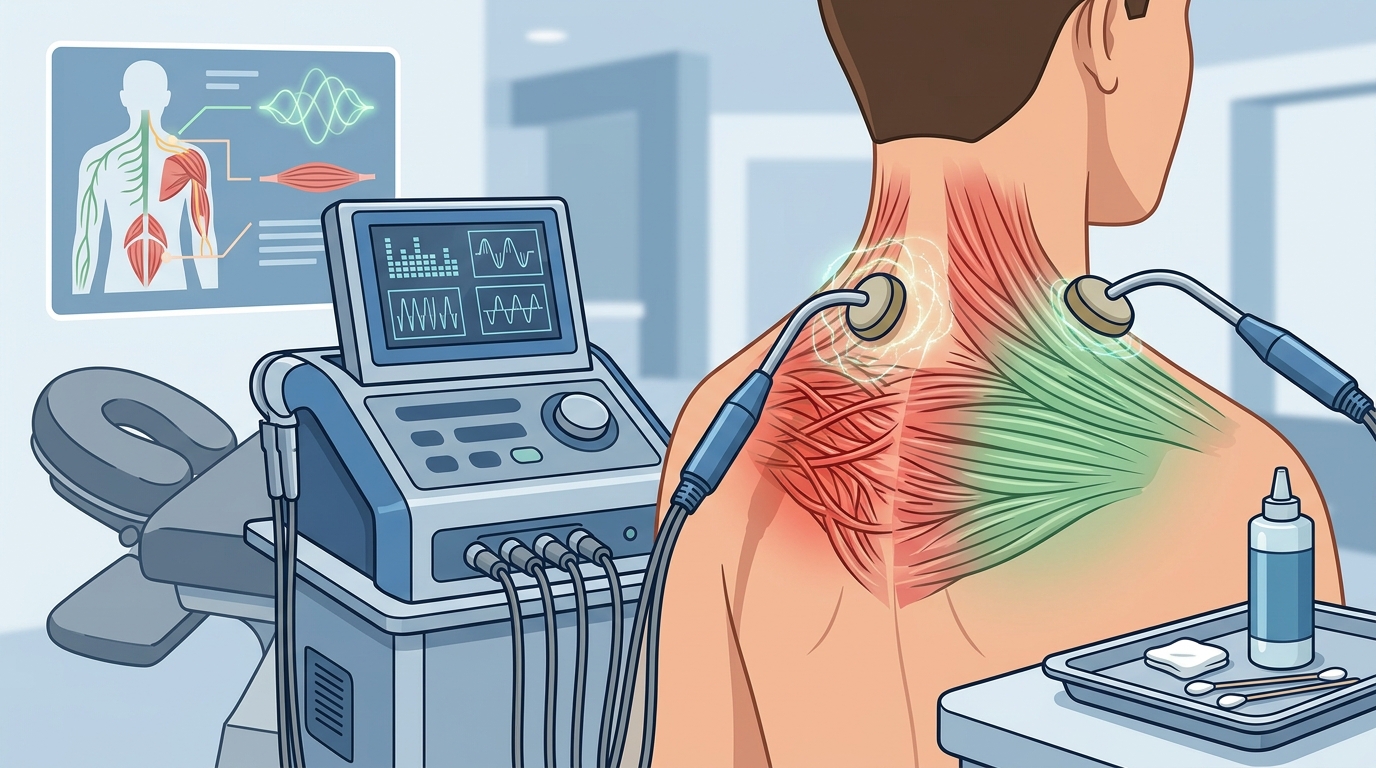
The process involves the application of microcurrent pads to the skin, connected to a device that delivers the selected frequencies. The treatment is typically painless and relaxing. Patients often report a warm sensation or complete neutrality during the session. The goal is to stimulate the mitochondria within the cells to produce more adenosine triphosphate (ATP), which is the primary energy source for cellular repair and regeneration.
The Science Behind the Current
Understanding the efficacy of FSM requires a look at the bioelectric nature of the human body. Every cell in the body maintains an electrical potential across its membrane. When an injury occurs, this potential is often altered, leading to inflammation and impaired healing. FSM works by applying a specific frequency that matches the resonant frequency of the affected tissue, thereby correcting the electrical imbalance.
Research indicates that microcurrent therapy can increase ATP production by up to 500 percent in targeted cells. This surge in energy allows the body to repair damaged tissues more rapidly. According to studies on electrotherapy, the specific frequency used determines the physiological response. For example, certain frequencies are known to reduce inflammation, while others promote nerve regeneration or collagen production.
The precision of FSM lies in its ability to target specific pathogens or dysfunctional cells. By selecting a frequency that is toxic to a specific bacteria or virus, or one that stimulates a specific enzyme, the therapy can address the underlying cause of the condition. This targeted approach minimizes side effects and maximizes therapeutic outcomes. It is a testament to our commitment to cutting-edge, holistic health solutions.
Clinical Applications for Pain and Healing
FSM is versatile and can be applied to a wide range of conditions. It is particularly effective for chronic pain conditions that have not responded well to other treatments. The therapy is used to manage pain from arthritis, fibromyalgia, and neuropathy. It is also commonly used in post-surgical recovery to reduce swelling and accelerate wound healing.
Pain Management
Chronic pain often results from persistent inflammation and nerve irritation. FSM can help break the pain cycle by reducing inflammation and calming overactive nerves. Patients with conditions like Ankylosing Spondylitis or Rheumatoid Arthritis may find relief through regular FSM sessions. The therapy helps to modulate the immune response in the affected area, reducing the frequency and intensity of pain flare-ups.
Tissue Repair and Recovery
For athletes and active individuals, FSM is a valuable tool for speeding up recovery from sports injuries. It helps to reduce scar tissue formation and improve flexibility in damaged muscles. By enhancing blood flow and lymphatic drainage, the therapy removes metabolic waste products from the injured area, allowing fresh nutrients to reach the cells.
Neurological Conditions
FSM has shown promise in treating neurological conditions such as Bell's Palsy and peripheral neuropathy. The specific frequencies used can stimulate nerve regeneration and improve signal transmission. This can lead to improved muscle strength and sensation in the affected area. It is a non-invasive alternative to more aggressive neurological treatments.
FSM vs. Traditional Massage and TENS
While FSM shares some similarities with traditional massage and Transcutaneous Electrical Nerve Stimulation (TENS), it operates on fundamentally different principles. Understanding these differences is crucial for patients seeking the most effective treatment for their specific needs.
| Feature | Frequency Specific Microcurrent (FSM) | Traditional Massage | TENS Unit |
|---|---|---|---|
| Mechanism | Cellular ATP production and bioelectric balancing | Soft tissue manipulation and circulation boost | Nerve signal blocking via high-voltage pulses |
| Sensation | Painless, warm, or neutral | Pressure, stretching, or discomfort | Tingling, buzzing, or muscle twitching |
| Primary Goal | Healing and tissue repair | Relaxation and temporary pain relief | Acute pain masking |
| Duration of Effect | Long-term cellular change | Short to medium term | Short term (during and shortly after use) |
Traditional massage is excellent for relaxation and general tension relief, but it may not address the underlying cellular dysfunction in chronic pain cases. TENS units provide temporary pain relief by interfering with pain signals, but they do not promote healing. FSM, on the other hand, actively promotes healing at the cellular level, offering a more sustainable solution for long-term pain management.
At Piedmont Injury Massage, we often combine FSM with other modalities such as therapeutic massage and lymphatic drainage to enhance overall results. This integrated approach ensures that patients receive comprehensive care that addresses both the symptoms and the root causes of their conditions.
Key Takeaways
- FSM uses low-level electrical currents to stimulate cellular repair and reduce pain without causing muscle contraction.
- The therapy increases ATP production, which is essential for tissue healing and energy restoration.
- FSM is effective for chronic pain, post-surgical recovery, and neurological conditions.
- Unlike TENS, FSM promotes actual healing rather than just masking pain signals.
- Treatments are painless and typically involve applying specific frequencies to the affected area.
- Piedmont Injury Massage offers FSM as part of a holistic pain management plan in Braselton and Hoschton.
- Consultation is recommended to determine the appropriate frequencies for your specific condition.
Frequently Asked Questions
Is Frequency Specific Microcurrent safe?
Yes, FSM is considered very safe. It uses microcurrents that are below the threshold of human perception, meaning you will not feel a shock or pain. It is non-invasive and has no known serious side effects when administered by a trained professional.
How many sessions are needed for pain relief?
The number of sessions varies depending on the condition and its severity. Acute injuries may respond quickly, while chronic conditions may require a series of treatments. Your therapist at Piedmont Injury Massage will create a personalized plan based on your progress.
Can I use FSM for facial rejuvenation?
While FSM is primarily used for pain and healing, similar microcurrent technologies are used in facial spas for toning and lifting. Piedmont Injury Massage offers specialized facial spa treatments, including HydraFacial and microcurrent facials, for skin health.
Does FSM hurt?
No, FSM is painless. Most patients describe the sensation as warm or neutral. It is a relaxing experience that allows the body to focus on healing without the discomfort associated with other electrical therapies.
Is FSM covered by insurance?
Insurance coverage for FSM varies by provider and plan. It is best to check with your insurance company to see if this service is covered under your policy. Piedmont Injury Massage can provide documentation if needed.
What conditions can FSM treat?
FSM can treat a wide range of conditions including arthritis, fibromyalgia, neuropathy, sports injuries, post-surgical swelling, and chronic muscle pain. It is also used for neurological conditions and wound healing.
How is the frequency determined?
The frequency is determined by the specific condition being treated. Practitioners use established protocols that link certain frequencies to specific tissues and pathogens. Your therapist will select the appropriate frequencies based on your diagnosis.
Schedule Your Consultation
If you are struggling with chronic pain or a slow-healing injury, Frequency Specific Microcurrent may be the solution you have been looking for. Piedmont Injury Massage is dedicated to helping you get back to the best version of yourself. Our certified professionals in Braselton and Hoschton are ready to provide you with personalized care.
Take the first step toward recovery. Contact us today to schedule a free consultation and learn how FSM can help you achieve your wellness goals. We look forward to working with you on your journey to pain-free living.