
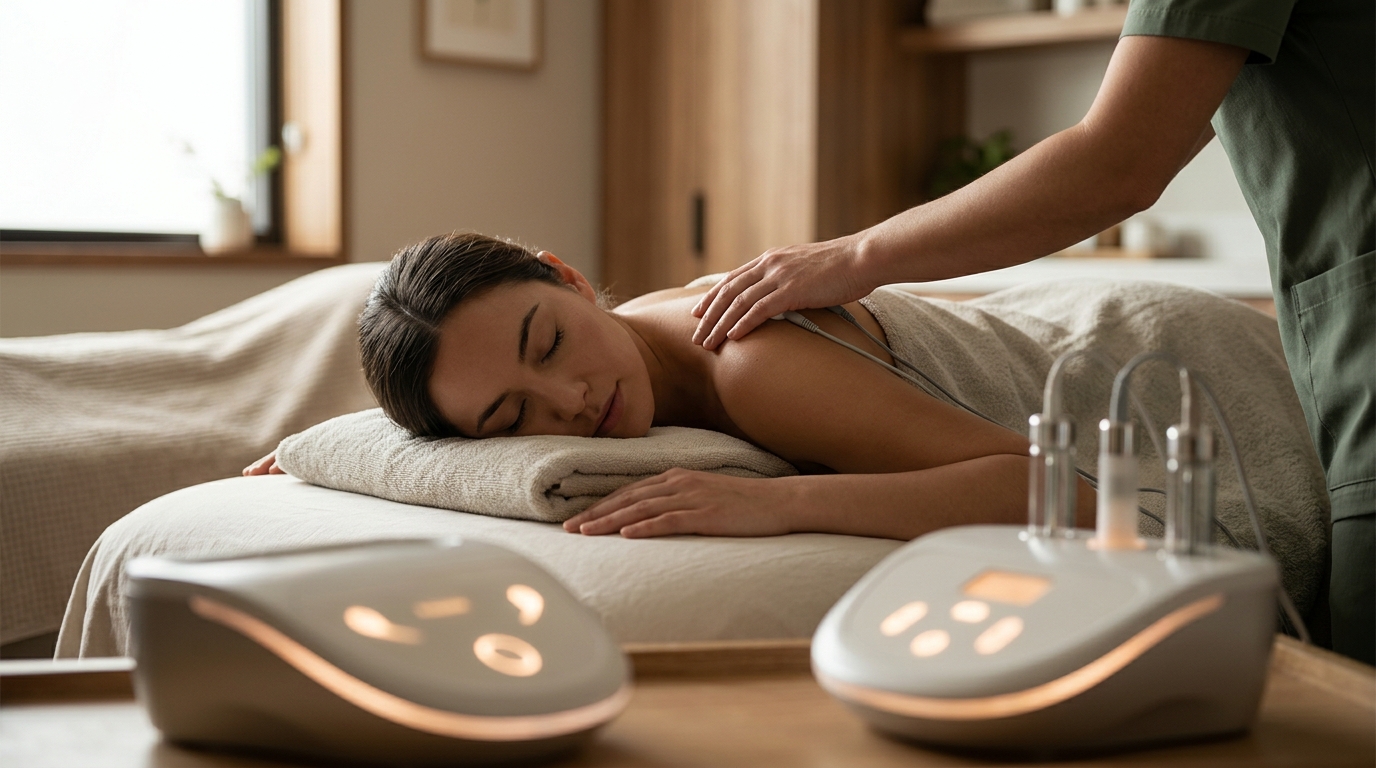
Frequency Specific Microcurrent (FSM) is a non-invasive therapeutic modality that uses low-level electrical currents to target specific tissues for pain relief and accelerated healing. Unlike traditional electrical stimulation, FSM operates at microamp levels, making it gentle enough for sensitive areas while effectively communicating with cellular energy systems. This approach has gained significant traction in modern pain management clinics for its ability to address chronic conditions without the side effects of pharmaceutical interventions. (Massage Therapy in Braselton)
What is Frequency Specific Microcurrent?
Frequency Specific Microcurrent is a specialized form of electrotherapy that utilizes precise frequencies of electrical current to influence cellular function. Frequency Specific Microcurrent is a therapeutic technique that applies low-level electrical currents to specific body parts to reduce pain and promote tissue repair. The core principle relies on the idea that different tissues and pathogens respond to specific electrical frequencies. (Products Piedmont Injury Massage)
When applied correctly, these frequencies can help restore the electrical balance of cells, which is often disrupted by injury, inflammation, or chronic disease. At Piedmont Injury Massage, we utilize FSM as a complementary service to our standard massage therapy, offering a holistic approach to recovery for residents in Braselton and Hoschton, GA. This method is particularly effective for conditions that have resisted other forms of treatment.
The Science Behind the Healing
The effectiveness of FSM is rooted in bioenergetics. Every cell in the human body generates an electrical charge, known as the membrane potential. When an injury occurs, this electrical charge is often compromised, leading to pain and impaired healing. FSM works by delivering a specific frequency that matches the resonant frequency of the damaged tissue or the pathogen causing the issue.
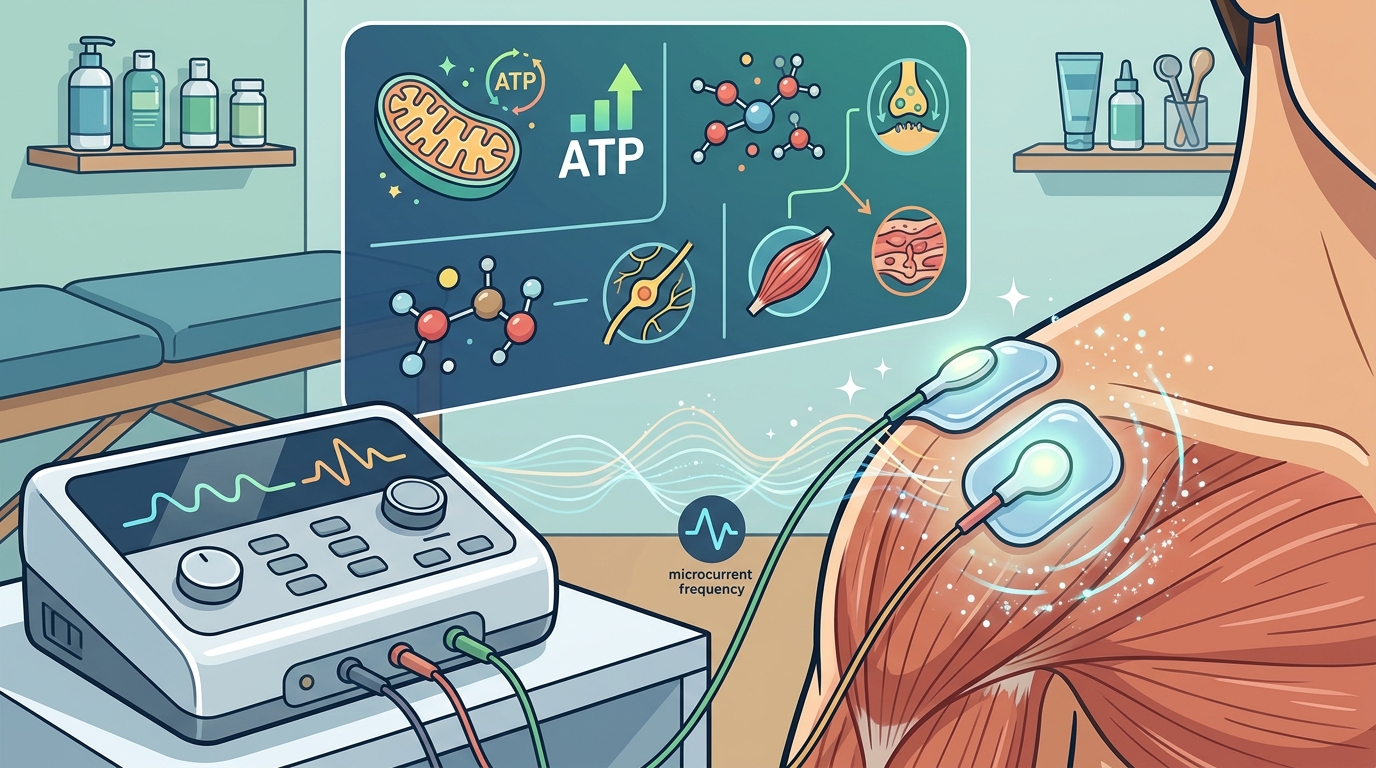
According to research in electrotherapy, targeted microcurrent can stimulate the production of adenosine triphosphate (ATP), the primary energy currency of cells. ATP is the molecule responsible for storing and transferring energy within cells, enabling them to repair and function efficiently. By boosting ATP production, FSM accelerates the natural healing process. This is why many patients report a reduction in pain and inflammation after just a few sessions.
The process is non-invasive and generally painless. The currents used are so low that most patients feel only a slight tingling sensation or nothing at all. This makes it an ideal option for individuals who are sensitive to touch or have acute pain that makes traditional deep tissue work difficult. For more information on how electrical currents interact with biological tissues, you can explore studies on microcurrent therapy published in peer-reviewed journals.
What to Expect During a Session
Undergoing Frequency Specific Microcurrent treatment at Piedmont Injury Massage is a structured and personalized experience. The process begins with a thorough consultation to identify the specific areas of pain or dysfunction. Our therapists then select the appropriate frequencies based on your unique condition and medical history.
Preparation and Setup
Before the treatment begins, a conductive gel or lotion is applied to the skin to ensure the electrical current flows smoothly. Electrodes are then placed on the specific areas of the body that require treatment. These electrodes are connected to a microcurrent device that delivers the selected frequencies.
The Treatment Phase
During the session, you will lie comfortably on a treatment table. The therapist will monitor the session to ensure the correct frequencies are being applied. A typical session lasts between 30 to 60 minutes, depending on the complexity of the condition. Many patients find this time to be deeply relaxing, as the gentle current can induce a state of calm similar to meditation.
Post-Treatment Care
After the session, the electrodes are removed, and the conductive gel is wiped away. You may experience a slight increase in energy or a reduction in pain immediately. However, it is common for some patients to feel a temporary worsening of symptoms, known as a healing crisis, as the body begins to detoxify and repair itself. Staying hydrated is crucial to support this process.
Key Benefits for Pain Management
FSM offers a wide range of benefits for individuals suffering from chronic pain, injuries, and inflammatory conditions. Its ability to target specific tissues makes it a powerful tool in the arsenal of pain management strategies.
- Pain Reduction: FSM can help block pain signals and reduce inflammation, providing relief for conditions like arthritis and fibromyalgia.
- Accelerated Healing: By stimulating cellular repair, FSM can speed up the recovery time for sports injuries and post-surgical healing.
- Non-Drug Approach: This therapy offers a natural alternative to pain medications, reducing the risk of side effects and dependency.
- Improved Circulation: The electrical currents can enhance blood flow to the treated areas, delivering more oxygen and nutrients to the tissues.
For those interested in the broader context of non-pharmacological pain management, the Centers for Disease Control and Prevention provides extensive guidelines on safe and effective pain relief strategies.
FSM vs. Traditional Massage
While both Frequency Specific Microcurrent and traditional massage therapy are valuable tools for wellness, they operate through different mechanisms. Understanding the differences can help you decide which service is best for your needs.
| Feature | Frequency Specific Microcurrent (FSM) | Traditional Massage Therapy |
|---|---|---|
| Mechanism | Uses low-level electrical currents to target cellular energy. | Uses manual manipulation of soft tissues to relieve tension. |
| Pain Level | Generally painless, with a slight tingling sensation. | Can range from gentle to deep pressure, depending on preference. |
| Primary Goal | Cellular repair, pain blocking, and inflammation reduction. | Muscle relaxation, stress relief, and improved circulation. |
| Best For | Chronic pain, nerve damage, and specific tissue injuries. | General stress, muscle knots, and overall relaxation. |
| Duration | 30 to 60 minutes per session. | 60 to 90 minutes per session. |
At Piedmont Injury Massage, we often combine these services for maximum benefit. For instance, a patient might receive a therapeutic massage to loosen tight muscles, followed by FSM to target specific areas of inflammation. This integrated approach ensures a comprehensive path to recovery. You can learn more about our massage therapy services to see how they complement FSM.
Key Takeaways
- FSM uses precise electrical frequencies to target specific tissues for pain relief and healing.
- The therapy works by stimulating ATP production, which accelerates cellular repair.
- Sessions are non-invasive, painless, and typically last 30 to 60 minutes.
- FSM is effective for chronic pain, sports injuries, and post-surgical recovery.
- It serves as a powerful complement to traditional massage therapy.
- Piedmont Injury Massage offers personalized FSM treatments in Braselton and Hoschton, GA.
- Consultation is required to determine the appropriate frequencies for your condition.
Frequently Asked Questions
Is Frequency Specific Microcurrent safe?
Yes, FSM is considered very safe. It uses microamp currents that are well below the threshold of sensation for most people. It is non-invasive and does not involve needles or drugs. However, it is not recommended for individuals with pacemakers or those who are pregnant without consulting a physician first.
How many sessions will I need?
The number of sessions varies depending on the severity and duration of your condition. Acute injuries may respond quickly, while chronic conditions may require a series of treatments. Our therapists will create a customized plan based on your progress.
Does FSM hurt?
Most patients report feeling little to no sensation during the treatment. Some may feel a slight tingling or warmth. It is generally much less uncomfortable than deep tissue massage or other forms of electrical stimulation.
Can FSM replace my medication?
FSM can help reduce pain and inflammation, potentially allowing you to reduce your reliance on pain medication. However, you should never stop taking prescribed medication without consulting your doctor. FSM is a complementary therapy, not a replacement for medical advice.
What conditions can FSM treat?
FSM is effective for a wide range of conditions, including arthritis, fibromyalgia, nerve pain, sports injuries, and post-surgical healing. It can also help with conditions like Lyme disease and shingles, where specific pathogens are involved.
Is FSM covered by insurance?
Insurance coverage for FSM varies by provider and plan. Some insurance plans may cover it if it is deemed medically necessary, while others may not. It is best to check with your insurance provider directly. Piedmont Injury Massage can provide documentation to support your claim if needed.
How is FSM different from TENS?
TENS (Transcutaneous Electrical Nerve Stimulation) uses higher currents to block pain signals, while FSM uses microcurrents to stimulate cellular healing. TENS is primarily for pain masking, whereas FSM aims to address the root cause of the pain by promoting tissue repair.
Schedule Your Consultation
If you are suffering from chronic pain or a stubborn injury, Frequency Specific Microcurrent may be the solution you have been looking for. At Piedmont Injury Massage, we are dedicated to helping you achieve lasting relief and improved quality of life. Our team of certified therapists in Braselton and Hoschton, GA, is ready to create a personalized treatment plan for you.
Take the first step toward healing today. Contact us now to schedule your free consultation and discover how FSM can help you recover faster.