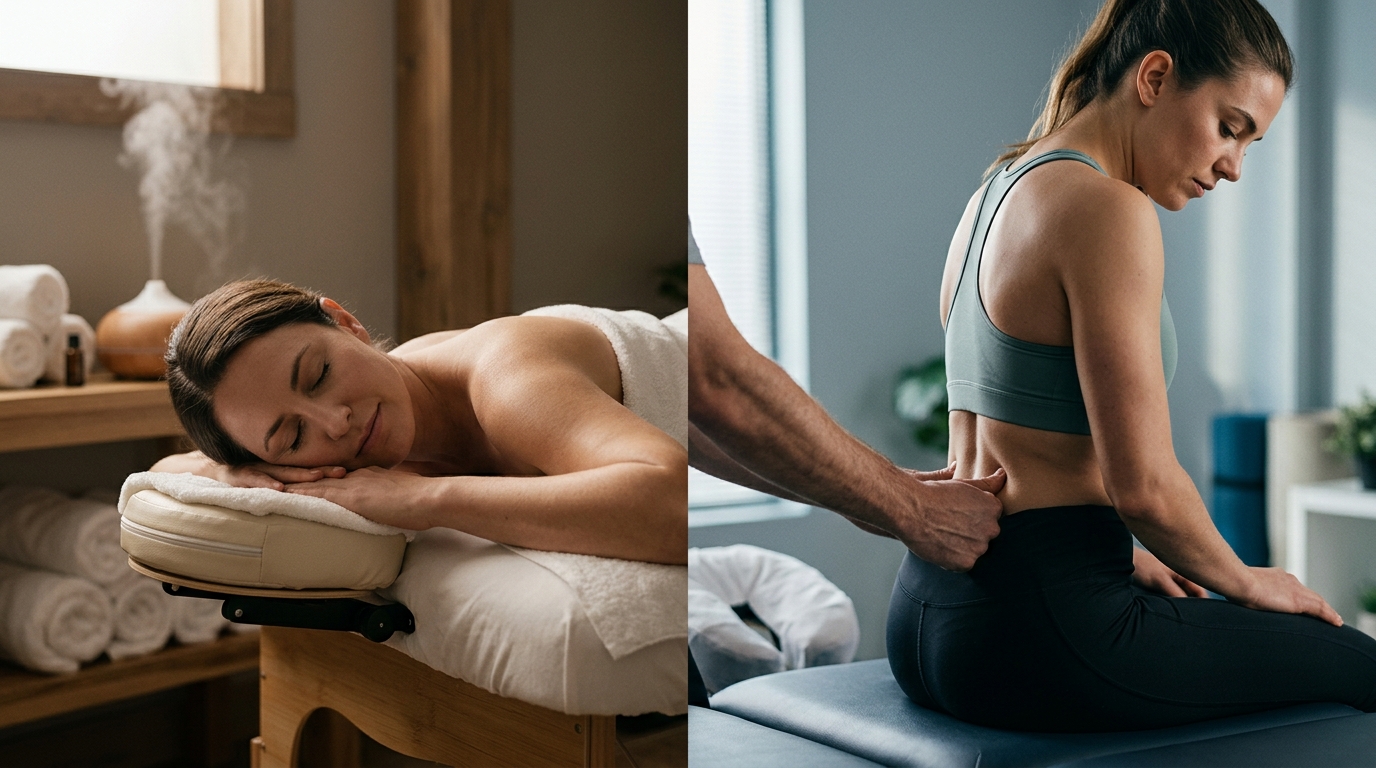
Understanding the distinction between general relaxation massage and injury-focused recovery therapy is critical for optimizing your health outcomes. While both modalities utilize manual manipulation of soft tissues, their underlying mechanisms, pressure intensities, and physiological goals differ significantly. Recent industry data indicates that over 60% of individuals seeking massage therapy do so for pain management rather than pure stress relief, highlighting a growing demand for targeted therapeutic interventions. This article dissects the operational differences to help you select the correct service for your specific physical needs.
Understanding Relaxation Massage
General relaxation massage, often categorized under Swedish or wellness modalities, is designed primarily to induce a state of calm and reduce systemic stress. The primary objective is to enhance overall well-being rather than to correct specific anatomical dysfunctions. Techniques typically involve long, flowing strokes, gentle kneading, and rhythmic movements that promote blood circulation and lymphatic drainage without targeting deep tissue adhesions.
This modality is ideal for individuals experiencing acute mental fatigue, mild muscle tension, or those seeking preventative maintenance for their musculoskeletal system. The pressure applied is generally light to moderate, ensuring the client remains in a parasympathetic state of rest. At Piedmont Injury Massage, we recognize that while relaxation is vital, it serves a different physiological purpose than corrective care. Relaxation massage helps lower cortisol levels, which indirectly supports the body's natural healing processes, but it does not actively break down scar tissue or release chronic trigger points.
Many clients visit our Braselton location for periodic relaxation sessions to maintain baseline wellness. However, if you are dealing with persistent pain, limited range of motion, or post-surgical stiffness, relaxation massage alone will likely not resolve the underlying mechanical issues. It is a complementary practice, not a curative one for structural injuries.
Defining Injury Recovery Therapy
Injury-focused recovery therapy, often referred to as therapeutic massage or clinical massage, is a targeted intervention designed to address specific physical complaints. This modality operates on the principle that pain and dysfunction are often rooted in soft tissue restrictions, such as adhesions, trigger points, or fascial tightness. The therapist performs a detailed assessment to identify these areas and applies precise, deep pressure to release them.
Therapeutic massage is not merely about feeling good in the moment; it is about creating lasting physiological changes. It aims to restore normal tissue function, improve flexibility, and accelerate the healing process for injuries ranging from sports strains to chronic back pain. According to clinical observations, targeted soft tissue work can significantly reduce pain perception by stimulating the nervous system and promoting the release of endorphins.
At Piedmont Injury Massage, we specialize in pain management and muscle recovery. Our approach is full-time hands-on, meaning you pay for the time spent addressing your specific needs, not just for a generic service type. This ensures that every minute of your session is dedicated to resolving your unique physical challenges. Whether you are recovering from surgery or managing a long-term injury, our therapists use evidence-based techniques to get you back to doing the things you love.
Key Differences in Technique and Pressure
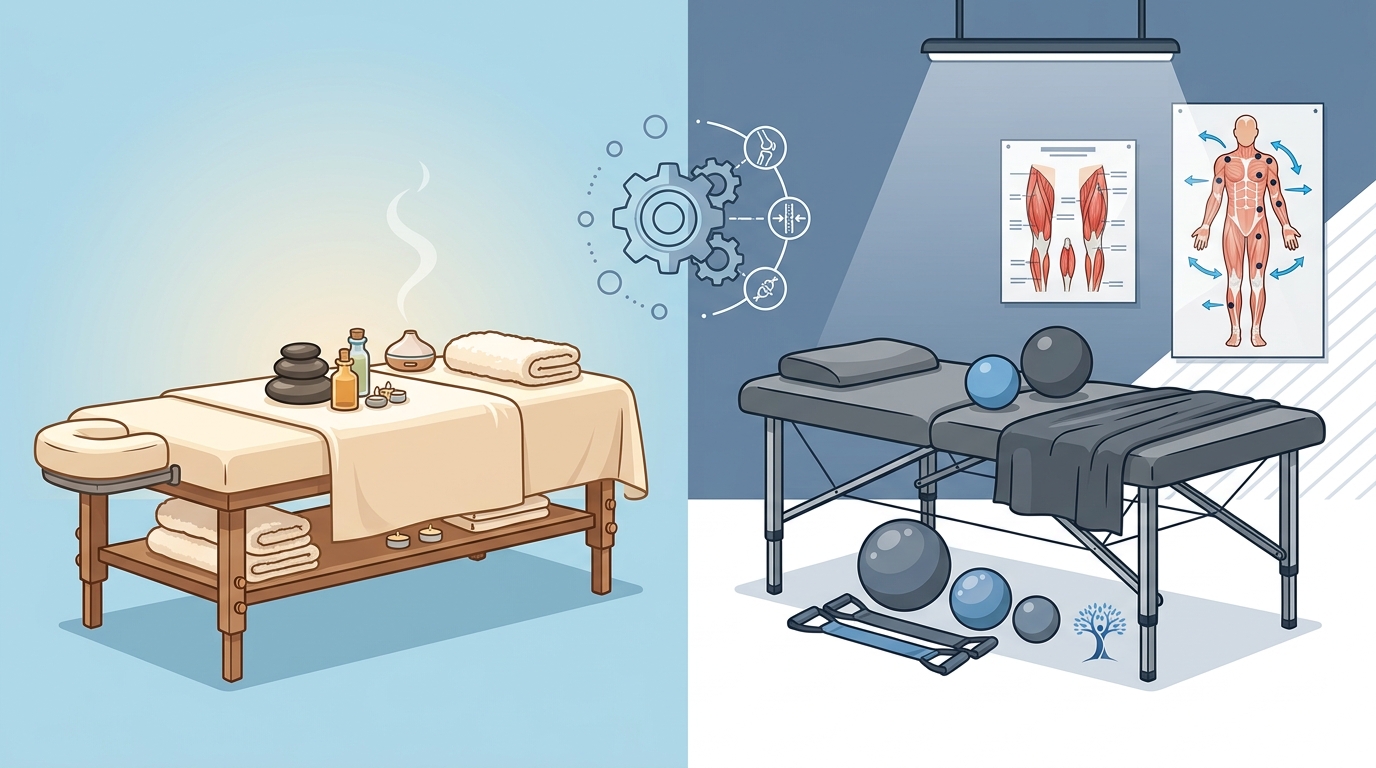
The most visible difference between these two modalities lies in the technique and the intensity of pressure applied. Relaxation massage utilizes broad, sweeping strokes (effleurage) and gentle petrissage to soothe the nervous system. In contrast, injury recovery therapy employs deep tissue work, myofascial release, and trigger point therapy to penetrate deeper muscle layers.
Deep tissue massage requires the therapist to work through superficial layers to reach the deeper musculature and fascia. This process can sometimes be uncomfortable or even painful during the session, a phenomenon known as "therapeutic pain." However, this discomfort is often followed by significant relief and improved mobility. Relaxation massage, by definition, avoids this level of intensity to maintain a state of comfort.
Another critical distinction is the level of customization. While relaxation massages can be standardized, injury recovery therapy is highly individualized. Our therapists at Piedmont Injury Massage in Hoschton conduct thorough consultations to understand your medical history, current pain levels, and functional goals. This allows us to tailor the treatment plan to your specific anatomy, ensuring that we address the root cause of your discomfort rather than just the symptoms.
When to Choose Each Modality
Selecting the right massage type depends entirely on your current physical state and objectives. If you are feeling stressed, tense, or simply need a mental break, relaxation massage is the appropriate choice. It is also beneficial as a maintenance tool between more intensive therapeutic sessions.
However, if you are experiencing any of the following, injury-focused recovery therapy is the superior option:
- Chronic pain that persists despite rest.
- Restricted range of motion in joints or muscles.
- Recent sports injuries, such as sprains, strains, or tears.
- Post-surgical scar tissue or stiffness.
- Repetitive strain injuries from work or daily activities.
Choosing the wrong modality can lead to frustration. For example, seeking only relaxation when you have a deep tissue injury may result in temporary relief but no long-term improvement. Conversely, receiving deep tissue work when you are already exhausted and stressed may be overwhelming. Our team at Piedmont Injury Massage is trained to guide you toward the most effective treatment path based on your unique needs.
Benefits of Therapeutic Massage for Pain
Therapeutic massage offers a multitude of benefits that extend beyond immediate pain relief. By addressing soft tissue injuries, it helps to:
- Reduce Inflammation: Improved circulation helps flush out metabolic waste products that contribute to pain and stiffness.
- Improve Posture: Releasing tight muscles can correct muscular imbalances that lead to poor posture and secondary pain.
- Enhance Recovery: Athletes and active individuals use therapeutic massage to speed up recovery times after intense physical exertion.
- Prevent Future Injuries: Regular maintenance of soft tissue health reduces the likelihood of future strains and tears.
Our Sports Massage services are particularly effective for individuals who engage in regular physical activity. We also offer Lymphatic Drainage Massage to support the immune system and reduce swelling, which is often a component of the healing process. By combining these modalities, we provide a holistic approach to recovery that addresses both the structural and systemic aspects of your health.
Facial Spa and Skin Health Integration
While our primary focus is on musculoskeletal health, Piedmont Injury Massage also recognizes the importance of skin health in overall wellness. Our Facial Spa services, including HydraFacial and Microcurrent Facials, are designed to tighten and tone the face while addressing minor skin irregularities. These treatments utilize advanced technology and high-quality products to promote cellular renewal and improve skin elasticity.
We exclusively use Viktoria De’Ann and Anna Lotan products, which are formulated with bio-active peptides to restore cellular communication and support a healthy skin barrier. This integration of skincare into our practice reflects our commitment to comprehensive health, ensuring that our clients receive care that addresses both their internal and external well-being.
Key Takeaways
- Relaxation massage focuses on stress reduction and general well-being, while injury recovery therapy targets specific physical dysfunctions.
- Therapeutic massage involves deep tissue work and trigger point therapy, which may cause temporary discomfort but leads to long-term relief.
- Piedmont Injury Massage specializes in pain management and muscle recovery, offering customized plans for each client.
- Our services include Therapeutic Massage, Sports Massage, Prenatal Massage, and Lymphatic Drainage Massage.
- We use high-quality skincare products like Viktoria De’Ann and Anna Lotan for our Facial Spa services.
- Choosing the correct modality is essential for achieving your health goals; consult with our experts to determine the best path.
- Our Hoschton and Braselton locations provide full-time, hands-on service, ensuring you pay for time, not just type.
Frequently Asked Questions
Is therapeutic massage painful?
Therapeutic massage can be uncomfortable during the session, especially when working on deep trigger points or scar tissue. However, this "good pain" is necessary to release tension and should be followed by significant relief and improved mobility.
Can I combine relaxation and therapeutic massage?
Yes, many clients benefit from a combination of both. We often start with therapeutic work to address specific issues and conclude with relaxation techniques to promote overall calm and integration of the treatment.
How often should I receive injury-focused therapy?
The frequency depends on the severity of your injury and your recovery goals. Acute injuries may require more frequent sessions initially, while chronic conditions might benefit from a maintenance schedule. Our therapists will create a personalized plan for you.
Do you accept insurance for massage therapy?
Insurance coverage varies by provider and plan. We recommend checking with your insurance company to see if therapeutic massage is covered. We can provide documentation for your claims if needed.
What is the difference between HydraFacial and Microcurrent Facials?
HydraFacial is a hydrating treatment that cleanses, exfoliates, and infuses serums into the skin. Microcurrent Facials use low-level electrical currents to tone facial muscles and improve skin elasticity. Both are excellent for skin health but serve different purposes.
Where are your locations?
We serve the Braselton and Hoschton, GA areas. Our team is dedicated to providing accessible, high-quality care to our local community.
Do you offer gift certificates?
Yes, we offer gift certificates for both massage therapy and skincare services, making them perfect gifts for wellness and relaxation.
Book Your Consultation
Don't let pain or stress dictate your quality of life. Whether you need targeted injury recovery or a moment of relaxation, Piedmont Injury Massage is here to help. Our team of experienced therapists is ready to create a customized plan to meet your unique needs. Contact us today to schedule your appointment and take the first step toward a healthier, pain-free life.